







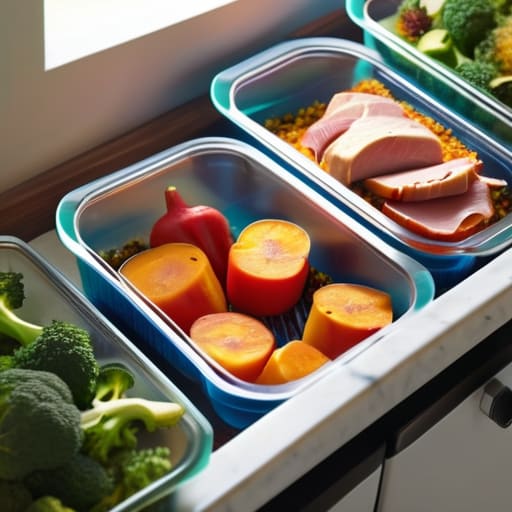
If I see one more “aesthetic” meal prep video featuring twenty identical glass containers filled with perfectly cubed sweet potatoes and kale, I might actually lose it. We’ve been sold this lie that batch cooking for beginners has to look like a professional photoshoot to be effective, but let’s be real: most of us are just trying to avoid the $15 salad delivery fee on a Tuesday night because we’re too exhausted to function. The truth is, those rigid, hyper-organized routines are exactly what lead to burnout and, ultimately, a kitchen full of wasted food.
I’m not here to sell you on a lifestyle overhaul or a mountain of expensive Tupperware. Instead, I want to share the low-effort, high-reward systems I’ve actually used to survive my busiest weeks in operations. We’re going to focus on small, repeatable wins—like prepping one versatile protein or doubling a simple sauce—rather than spending your entire Sunday hovering over a stove. This is about sustainable habits that fit into a real, messy life, not a curated feed.
Table of Contents
Smart Weekly Meal Planning Strategies That Actually Work
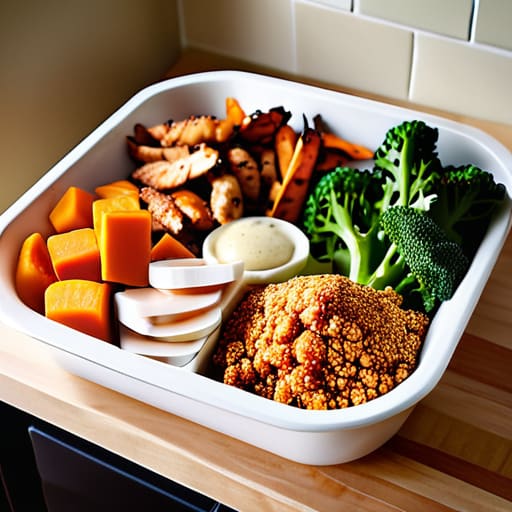
Before you even touch a knife, you need a game plan that doesn’t feel like a second job. Most people fail because they try to plan twenty different recipes for the week. That is a recipe for burnout, not efficiency. Instead, I focus on weekly meal planning strategies that revolve around “component cooking.” Think about it this way: don’t plan a specific meal; plan a protein, a grain, and two veggies. If I roast a massive tray of sweet potatoes and cook a huge pot of quinoa on Sunday, I can pivot those ingredients into a grain bowl on Monday or a taco filling on Tuesday without feeling like I’m eating the same sad leftovers.
The second part of the equation is getting the right gear so you aren’t fighting your tools. I’m a big believer in investing in decent meal prep containers for beginners—specifically glass ones if your budget allows. They last longer, don’t stain from my spicy hot sauce experiments, and actually go from the fridge to the microwave without smelling like a science project. Keeping things modular and organized is the only way to make this habit actually stick when life gets chaotic on a Wednesday afternoon.
Budget Friendly Meal Prepping for Your Real Life
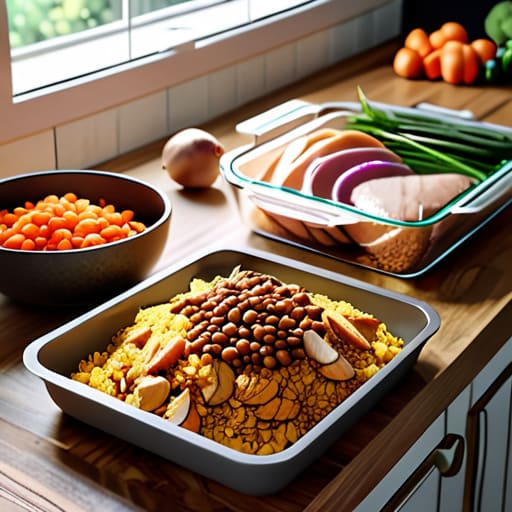
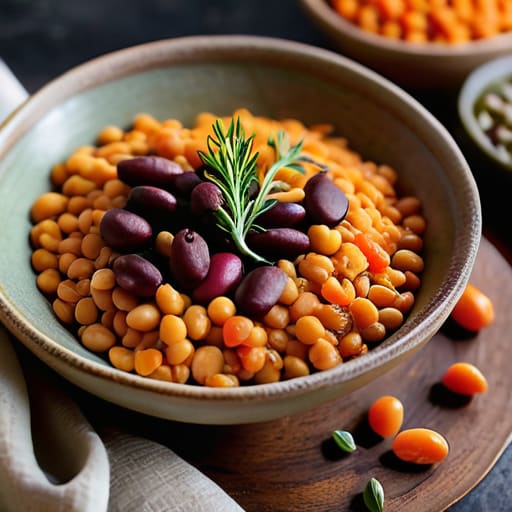
Let’s get real: the biggest barrier to meal prepping isn’t usually a lack of motivation; it’s the grocery bill. It is so easy to walk into a store thinking you’re going to make five different gourmet salads, only to realize you’ve just spent eighty dollars on organic kale and microgreens that will wilt by Wednesday. Instead, I’ve learned that budget friendly meal prepping is all about the “anchor ingredient” method. Pick one versatile, cheap base—like a massive bag of dried lentils, a five-pound sack of rice, or a family pack of chicken thighs—and build your week around that. It keeps the grocery list short and prevents that mid-week panic where you end up ordering takeout because your fridge is full of expensive, half-used ingredients.
You also don’t need a kitchen full of expensive gadgets to get started. I used to think I needed a specialized setup, but honestly, a few decent meal prep containers for beginners and a sharp knife are more important than any high-tech gadget. If you’re worried about food waste, lean into the freezer. If you find yourself with an extra portion of chili or roasted veggies, don’t let them go bad; toss them in a bag and save them for a “lazy night” later in the month. It’s about building a safety net, not performing culinary perfection.
Five Low-Stress Ways to Actually Make This Work
- Stop trying to cook five different recipes on a Sunday. You’ll burn out by week two. Instead, pick one base—like a big batch of roasted sweet potatoes or a pot of quinoa—and use it to anchor three different meals throughout the week.
- Embrace the “component method” over the “pre-portioned meal” method. Don’t spend your entire afternoon boxing up individual Tupperwares; just prep the ingredients. It’s much easier to assemble a quick bowl on a Tuesday night when the protein and veggies are already washed and chopped.
- Invest in decent, airtight containers, but don’t go overboard. I learned the hard way that having twenty mismatched lids is a recipe for frustration. Get a small set of high-quality glass containers that actually stack well in your fridge so you can actually see what you have.
- Cook for the freezer, not just the fridge. If you realize you’ve made way more chili than you can eat in four days, don’t let it go to waste. Portion out a couple of servings and freeze them immediately. Those are your “emergency meals” for the days when life inevitably goes sideways.
- Keep a “lazy” backup plan. Some nights, even with meal prep, you just won’t feel like assembling anything. Keep a few frozen veggies or a rotisserie chicken on hand so you don’t default to expensive, unhealthy takeout just because you’re tired.
Keeping It Real in the Kitchen
At the end of the day, batch cooking shouldn’t feel like a second job or a performance for your social media feed. We’ve talked about moving away from those intimidating, all-or-nothing meal prep marathons and instead focusing on small, repeatable wins—like prepping a single grain, roasting an extra tray of veggies, or just making sure you have a solid base for your Tuesday night tacos. It’s about finding that sweet spot between staying on budget and actually enjoying your food without spending your entire Sunday hovering over a stove. If you can master just one or two of these manageable habits, you’re already ahead of the game.
Please, give yourself some grace as you figure out your rhythm. Some weeks you’ll have a fridge full of organized containers, and other weeks you’ll be eating cereal for dinner because life simply got in the way—and that is perfectly okay. The goal isn’t perfection; it’s about building a system that serves your life, not one that dictates it. Start small, keep it functional, and remember that even the tiniest bit of preparation is a victory for your future, less-stressed self. You’ve got this.
Frequently Asked Questions
How do I keep my batch-cooked meals from tasting like they've been sitting in the fridge for a week?
The “fridge taste” is the ultimate meal-prep vibe killer. To avoid it, stop reheating everything to death. I’ve learned that texture is everything; keep your crunchy stuff (like greens or nuts) separate and add them right before eating. Also, invest in decent glass containers—plastic can leach flavors and make everything taste… well, like plastic. Lastly, a quick hit of something fresh—a squeeze of lime or a dash of my homemade hot sauce—works wonders to wake up those tired flavors.
Do I really need to spend my entire Sunday in the kitchen, or is there a way to do this without losing my whole weekend?
Absolutely not. If your meal prep feels like a second full-time job, you’re going to quit by week three. I’ve been there, staring at a mountain of Tupperware feeling completely defeated. Instead of a marathon session, try “component prepping.” Roast a tray of veggies, cook a big batch of grains, and prep one protein while you’re already making dinner on Tuesday. It’s about incremental wins, not sacrificing your entire Sunday.
What's the best way to handle leftovers if I realize I've actually cooked way more than I can eat?
Look, we’ve all been there—you get ambitious with a recipe and suddenly you’re staring at enough chili to feed a small army. Don’t let it go to waste. My rule of thumb? Portion it out immediately into individual glass containers. It’s much easier to grab one for lunch tomorrow than to scoop from a massive pot. If you really can’t finish it this week, freeze it. Just label it with a Sharpie so you aren’t playing “mystery meal” in a month.