








I used to think that if I wanted a decent meal that didn’t cost a week’s worth of grocery money, I had to settle for mushy, uninspired textures or spend three hours hovering over a stove. There’s this weird, pervasive myth in the wellness space that you need expensive organic specialty brands or some high-tech pressure cooker to do it right. Honestly? That’s just noise. I spent way too many years in my early twenties eating bland, overcooked legumes because I thought I didn’t have the “knack” for it, but learning how to cook beans and lentils actually became one of the simplest ways I reclaimed my budget and my time.
I’m not here to give you a list of gourmet ingredients you can’t find at a standard supermarket or a recipe that requires a culinary degree. Instead, I’m going to share the small, repeatable habits I’ve picked up from years of meal prepping between corporate shifts. We’re going to focus on the actual mechanics—the timing, the seasoning, and the little tweaks that turn a basic pantry staple into something you actually want to eat. No fluff, no magic bullets, just the real-world methods that work.
Table of Contents
The Real Debate Soaking Dried Beans vs No Soak
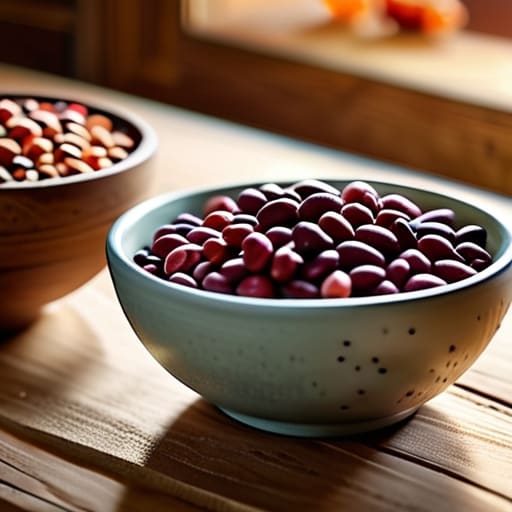
If you spend any time in the cooking aisles, you’ll see people acting like soaking your beans is a sacred, non-negotiable ritual. I get it—the old-school wisdom says it’s the only way to ensure even cooking and better digestion. But honestly? It often feels like just another chore on an already overflowing to-do list. The truth about soaking dried beans vs no soak is that it really depends on your schedule and the specific type of bean you’re working with.
If you’re a planner (and trust me, I am), an overnight soak can result in a slightly creamier texture and can definitely help with how to prevent gas from beans, which is a legitimate concern for anyone trying to eat more plant-based protein. However, if you’re staring at a pile of dried chickpeas at 6:00 PM on a Tuesday, don’t panic. You can skip the soak entirely if you have a pressure cooker or just a bit of extra patience for a longer simmer. It’s not about perfection; it’s about making the method work for your actual life.
Mastering Cooking Times for Different Legumes Every Single Time

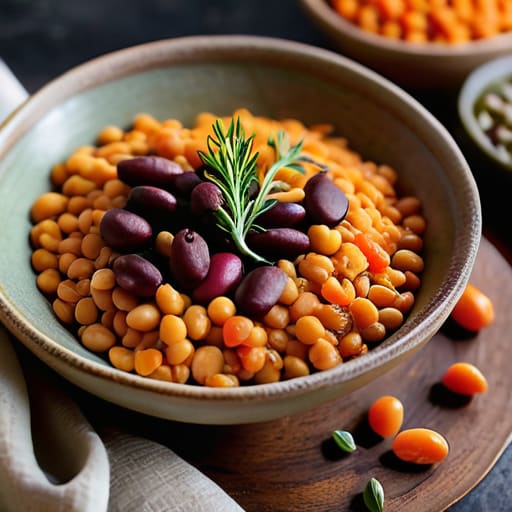
If there is one thing my operations brain can’t stand, it’s a batch of lentils that turns into mush because I misread the clock. The trick to mastering cooking times for different legumes is realizing that texture is everything. For example, there is a massive difference between red and green lentils when it comes to timing. Red lentils are basically the “fast food” of the legume world—they break down quickly and are perfect for thick dals or soups. Green or brown lentils, however, are much more structural and will hold their shape for salads or grain bowls if you don’t overdo it.
I’ve learned through trial and error (and a few ruined dinners) that you can’t just eyeball it. If you’re using a pot, start checking your beans about ten minutes before the package says they’re done. If you’re a fan of efficiency and use a pressure cooker, your pressure cooker bean instructions will be much faster, but you still need to account for that natural pressure release time. My rule of thumb? Always aim for slightly al dente if you’re planning to reheat them later.
My non-negotiable rules for better beans (and less wasted time)
- Stop adding salt and acidic stuff like tomatoes or lemon juice at the beginning. I know it sounds counterintuitive, but adding them too early can actually toughen up the skins and leave you with beans that refuse to soften no matter how long you simmer them. Wait until they’re tender.
- Don’t be afraid of a little aromatics. If you’re just boiling them in plain water, you’re missing a huge opportunity. Throw a smashed garlic clove, a bay leaf, or even half an onion into the pot. It’s the easiest way to make a cheap bag of lentils taste like a meal you actually paid for.
- Keep a “scrap bag” in your freezer for bean broth. Instead of dumping your cooking liquid down the drain, let it cool and freeze it. That starchy, flavorful water is liquid gold for thickening soups or adding depth to a grain bowl later in the week.
- Use the “fork test” instead of a timer. Every stove and every brand of dried bean is slightly different, so a recipe’s timestamp is really just a suggestion. Once you think they’re done, mash one against the side of the pot with a fork. If it’s creamy, you’re good; if there’s a graininess, give it five more minutes.
- Salt your soaking water if you’re doing the overnight method. It sounds like a small thing, but a little salt in the soak helps season the bean all the way to the core, rather than just having a salty surface. It makes a massive difference in the final texture.
Making It Part of the Routine
At the end of the day, mastering beans and lentils isn’t about following a rigid, scientific formula; it’s about understanding the basics so you can stop stressing over the stove. Whether you decide that a long soak is worth the extra time or you opt for the quick, no-soak method to save your evening, the goal is the same: consistent, reliable results. Remember to keep an eye on your cooking times, because texture is everything when it comes to a decent meal. Once you get the hang of the timing and the prep, you’ll realize that these pantry staples aren’t just cheap fillers—they are the foundation of a smart, sustainable kitchen.
I know that after a long day of navigating meetings and endless to-do lists, the last thing you want to do is manage a complex recipe. But there is something incredibly grounding about simmering a pot of lentils while you decompress. It’s a small, repeatable habit that pays off every single time, both for your palate and your wallet. Don’t feel like you have to be a chef to do this right; just start small, embrace the process, and trust your instincts. You don’t need a curated, gourmet lifestyle to eat well—you just need a little bit of patience and a good pot.
Frequently Asked Questions
Can I just use a pressure cooker or Instant Pot to skip the long wait times?
Short answer: Yes, and honestly, it’s a total game-changer for my weeknight sanity. If you’re staring at a pile of dried lentils or beans and just don’t have the patience for a slow simmer, the Instant Pot is your best friend. You can cut the cooking time by about 70%. Just keep an eye on the liquid ratios—pressure cookers are efficient, but they don’t need as much extra water as a traditional pot does.
How do I stop my beans from turning into mush if I'm making something like a salad?
The “mush factor” is the absolute worst, especially when you’re prepping a salad for the week. My rule of thumb? Undercook them slightly. If you’re aiming for al dente, pull them off the heat when they still have a tiny bit of resistance in the center. They’ll continue to soften as they cool. Also, skip the salt until they’re actually finished—salting too early can toughen the skins or make the insides go soft too fast.
Is there a trick to making them actually taste good without spending an hour on aromatics?
Look, I don’t have the energy for a three-hour mirepoix every Tuesday night. If you want flavor without the kitchen marathon, lean on high-impact basics. A smashed garlic clove, a bay leaf, or even a teaspoon of better-than-average bouillon dropped straight into the pot changes everything. If you’re feeling lazy (my default setting), a splash of acid—like apple cider vinegar or even just a squeeze of lime—right before serving wakes up the whole dish.