







I was standing in my kitchen last Tuesday, staring at my phone in pure frustration because I couldn’t figure out why my “smart” lightbulb was refusing to connect to my Wi-Fi for the third time that week. It felt less like living in the future and more like being held hostage by a piece of plastic. Most people think that learning how to set up a smart home requires a massive budget and a degree in computer science, but that’s just not true. In reality, the most sophisticated setups are usually the ones that actually work because they aren’t overcomplicating things.
I’m not here to sell you on a lifestyle of voice-activated everything or a house that feels more like a sci-fi movie than a home. Instead, I want to show you how to build a system that serves you, not the other way around. We’re going to skip the flashy, expensive gimmicks and focus on the small, practical automations that actually save you time and mental energy. From choosing the right hub to avoiding the dreaded gadget clutter, here is my realistic, no-hype guide to getting your home tech under control.
Table of Contents
Guide Overview
Tools & Supplies
- Smartphone with dedicated smart home apps
- Wi-Fi Router for network connectivity
- Screwdriver for mounting hardware
- Smart Hub (1 unit)
- Smart Bulbs (3-5 units)
- Smart Plugs (2-3 units)
- Voice Assistant Speaker (1 unit)
Step-by-Step Instructions
- 1. Start with a solid foundation by auditing your current Wi-Fi situation. Before you even look at a smart bulb, check if your router can actually handle ten or fifteen new devices fighting for a signal. If your internet crawls every time you sit in the living room, adding smart tech will just turn your home into a frustrating digital graveyard. I’d recommend investing in a mesh Wi-Fi system first if you have a larger space; it’s a boring upfront cost, but it saves so much headache later.
- 2. Pick one single ecosystem to rule them all. This is where most people trip up—they buy a random smart plug from one brand and a lightbulb from another, only to realize they need five different apps to make them work. I’m a big fan of sticking to either Apple Home, Google Home, or Amazon Alexa. Decide which one you’re comfortable with and only buy devices that explicitly say they are compatible with that platform. It keeps your phone from looking like a cluttered mess of useless icons.
- 3. Focus on low-stakes wins first. Don’t go out and try to automate your entire security system or your kitchen appliances on day one. Instead, start with something small and incredibly practical, like a smart plug for your coffee maker or a couple of dimmable bulbs for the living room. Seeing these small automations actually solve a minor annoyance gives you the confidence to move on to the bigger stuff without breaking the bank or your sanity.
- 4. Invest in smart lighting before anything else. Honestly, it’s the most impactful change you can make for the vibe of your home. You don’t need to replace every single fixture; sometimes just getting a few smart bulbs for your bedside lamps or your desk is enough. Being able to dim the lights via a voice command or a scheduled timer is a total game-changer for winding down after a long shift at work.
- 5. Layer in smart plugs to bridge the gap between “dumb” and “smart.” This is my favorite hack for keeping things budget-friendly. If you have a floor lamp or a fan that you’re constantly getting up to turn off, just plug it into a smart outlet. It’s a much cheaper alternative to buying entirely new smart appliances, and it lets you bring almost any piece of tech into your new ecosystem.
- 6. Set up meaningful automations that actually serve a purpose. A routine isn’t just about being “high-tech”; it’s about reclaiming your time. Set your lights to slowly brighten at 7:00 AM so you aren’t jolted awake by a screaming alarm, or have your porch light turn on automatically at sunset. If an automation doesn’t actually make your life easier, delete it. We are aiming for efficiency here, not just more things to manage.
- 7. Build in a manual fallback plan. This is the part no one tells you: sometimes the Wi-Fi goes down, or your phone dies, or you just don’t feel like talking to a virtual assistant. Always make sure your smart devices can still be operated by a physical switch or a button. There is nothing more annoying than being stuck in the dark because your internet decided to take a nap.
Choosing Your Foundation Smart Home Ecosystem Compatibility
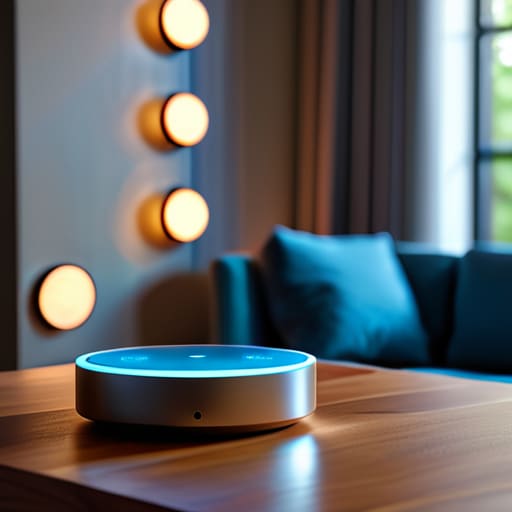
Before you go clicking “buy now” on that sleek smart bulb or fancy thermostat, we need to talk about the invisible glue holding it all together. This is where most people trip up: they buy a bunch of cool gadgets that end up speaking different languages, leaving you with five different apps just to turn off the lights. To avoid this headache, you really need to prioritize smart home ecosystem compatibility from day one. Think of it like choosing a operating system for your life; whether you’re a dedicated Apple person, an Alexa enthusiast, or a Google Home loyalist, your devices need to play nice within that specific ecosystem to actually work as a cohesive unit.
I always tell my friends to pick one “brain” and stick to it for a while. If you’re looking for the best smart home hubs 2024 has to offer, don’t just go for the flashiest one—go for the one that integrates most seamlessly with the tech you already own. It’s much more satisfying to say, “Hey Siri, I’m home,” and have the lights, locks, and thermostat all react at once, rather than manually troubleshooting why the kitchen light won’t connect for the third time this week.
The Best Smart Home Hubs 2024 for Real Life
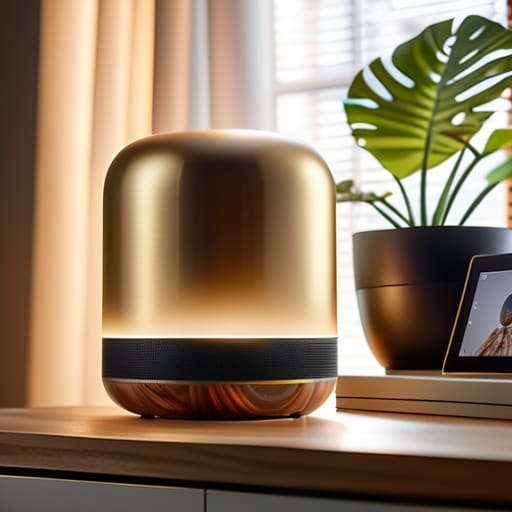
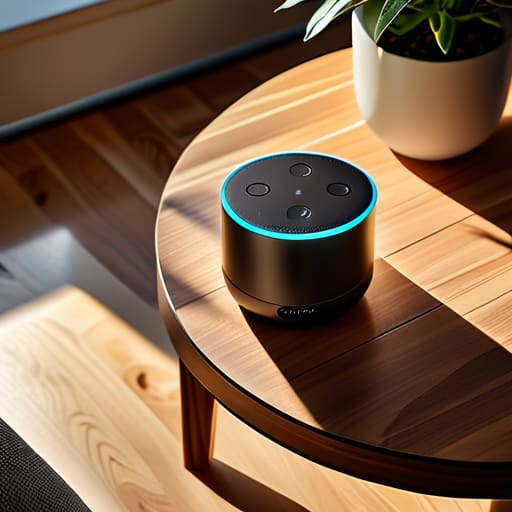
Now, let’s talk about the actual “brain” of your setup. When people ask me about the best smart home hubs 2024 has to offer, I always tell them to ignore the flashy tech influencer hype. You don’t need a dedicated server room in your basement; you just need something that doesn’t crash every time you try to turn off a lamp. If you’re already deep in the Apple ecosystem, an Apple HomePod is a seamless way to handle voice assistant integration without adding extra clutter. But if you want more freedom to mix and match brands, an Amazon Echo or a Google Nest hub is usually the more pragmatic, budget-friendly route for most of us.
The real trick is deciding how much control you actually want. If you’re someone who loves a bit of a project—or if you’re serious about automating home security systems—you might eventually look into something like Home Assistant. It’s a bit of a steeper learning curve, but it offers the kind of granular control that “plug-and-play” devices just can’t touch. Just remember: start small. Pick a hub that fits your current phone and your current budget, and grow from there.
Five Reality Checks Before You Go Full "House of the Future"
- Don’t buy everything at once. It’s tempting to go to the tech aisle and grab every smart bulb and plug you see, but trust me, you’ll end up with a pile of expensive gadgets that don’t talk to each other. Start with one problem—like forgetting to turn off the kitchen lights—and solve that first.
- Prioritize your Wi-Fi strength. You can have the smartest devices on the planet, but if your router is tucked behind a dusty bookshelf in the corner of the living room, half your tech is going to be “offline” when you actually need it. If your signal is spotty, look into a mesh system before you buy a single smart plug.
- Think about the “guest factor.” If your home requires a PhD and a specific smartphone app just to turn on the hallway lamp, you’ve gone too far. Always look for devices that still work with a physical switch or a simple voice command so your friends and family aren’t left wandering in the dark.
- Check for “Matter” compatibility. I know, it’s one more tech acronym to learn, but it’s actually a lifesaver. It’s a new standard that helps different brands play nice together. If you see the Matter logo, it’s a good sign that the device won’t become an expensive paperweight the moment you switch phone brands.
- Automate for convenience, not for show. There is zero point in having a smart toaster that sends you a push notification if you don’t use it every day. Focus your budget on things that actually save you time or mental energy—like smart thermostats that adjust themselves or lights that turn on when you walk in with groceries.
Don't Let the Tech Win
At the end of the day, setting up a smart home isn’t about having a house that looks like a sci-fi movie set; it’s about creating an environment that actually supports your rhythm. We’ve talked about picking a solid ecosystem, selecting a hub that won’t crash every time you try to dim the lights, and—most importantly—avoiding the trap of mindless gadget collecting. Remember, the goal is to solve a specific problem, whether that’s never wondering if you left the coffee pot on or having your lights dim automatically when it’s time to wind down. If a device doesn’t make your daily routine feel a little more seamless, it’s probably just expensive clutter that you don’t need.
My best advice is to stay patient with yourself as you build this out. You don’t need to automate your entire life by next Tuesday. Start small, see what sticks, and feel free to pivot if a certain brand or setup ends up being more headache than help. Technology should work for you, not the other way around. Focus on those small, repeatable wins that save you five minutes of stress or a few dollars on your energy bill. Once you find that sweet spot where your home feels like it’s finally on your team, you’ll realize that the best smart home is the one that stays quietly in the background while you live your actual life.
Frequently Asked Questions
How much am I actually going to spend on this before it starts feeling like a money pit?
Look, I get it. The “smart home” rabbit hole is deep, and the price tags can get scary fast. If you try to automate your entire house in one weekend, you will turn it into a money pit. My rule of thumb? Start with a $100–$200 budget for one room. Focus on one high-impact thing, like smart lights or a plug. Once that feels seamless and doesn’t break your bank, then—and only then—do you move on.
Is all this tech going to make my Wi-Fi crawl, or can my router actually handle it?
Honestly, this is the question I ask every time I add a new device. The short answer? It depends on your router. If you’re still using that dusty plastic box your ISP gave you three years ago, yeah, your Netflix might start buffering once you add ten smart bulbs and a camera. Don’t panic, though; you don’t need a massive overhaul. Just start small and see how your connection holds up before upgrading to a mesh system.
What happens if the internet goes down—am I stuck in the dark with no way to turn on the lights?
This is the exact kind of “what if” that keeps me up at night, and honestly, it’s a valid fear. The short answer? It depends on how much you’ve over-engineered things. Most smart bulbs will still work as manual switches, but your voice commands and automation schedules will go offline. To avoid being left in the dark, I always recommend keeping a few traditional smart switches or even just a manual override option for your most essential lights.