








If you’ve ever scrolled through social media and felt personally attacked by a “meal prep” video featuring twenty identical glass containers filled with perfectly cubed sweet potatoes and kale, I have a secret for you: it’s mostly performative nonsense. Most of those influencers are filming for the aesthetic, not for someone who has a 9:00 AM meeting and a mounting pile of laundry. Learning how to meal plan shouldn’t feel like a second full-time job or a way to audition for a lifestyle magazine. I used to think I had to spend my entire Sunday in a flour-dusted apron to be “organized,” but all that actually did was leave me exhausted by Monday morning.
I’m not here to sell you on a lifestyle of perfection or complex, twelve-step recipes that require ingredients you can’t find at a standard grocery store. Instead, I want to show you how to build a system that actually survives a hectic work week. We’re going to focus on small, repeatable habits—like the “template method” I use to keep my sanity—that save you money and mental energy without the burnout. This is about real-world food management for people with actual lives.
Table of Contents
Simple Meal Prep for Beginners Without the Burnout
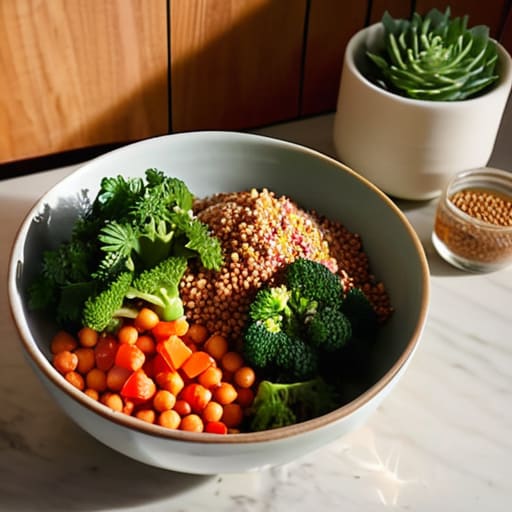
The biggest mistake I see people making when they first try meal prep is treating it like a professional cooking competition. You don’t need to spend six hours on a Sunday sweating over a stove to see results. For true meal prep for beginners, I recommend the “component method.” Instead of cooking full, complex recipes, just prep a few versatile building blocks: a big batch of roasted veggies, one protein (like shredded chicken or seasoned chickpeas), and a pot of grains. This way, you aren’t eating the exact same Tupperware meal five days in a row, which is the fastest route to total burnout.
Another lifesaver is mastering some basic batch cooking strategies to keep things from feeling like a chore. If you’re making a soup or a chili, double the recipe and freeze half immediately. It feels like cheating, but it’s actually just smart logistics. By focusing on these small, repeatable wins rather than trying to be a Pinterest-perfect chef, you actually create a system that survives a busy Tuesday.
Budget Friendly Meal Planning for Your Actual Bank Account
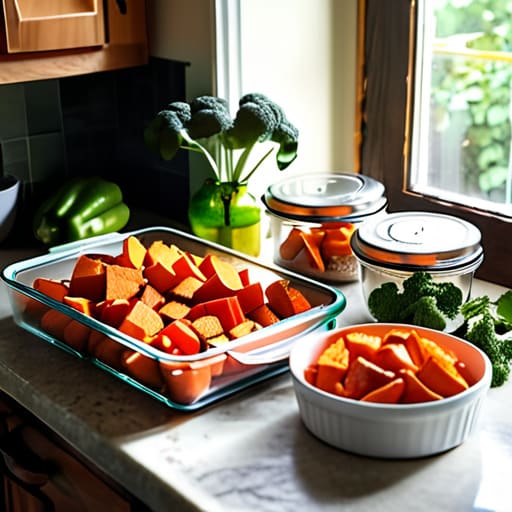
Let’s be real: most “budget” advice assumes you have endless time to hunt for extreme clearance deals or spend three hours at a farmer’s market. In my experience, the fastest way to drain your bank account isn’t just the grocery bill itself; it’s the $15 “emergency” takeout order you place because you forgot you had a bag of frozen chicken in the freezer. True budget friendly meal planning isn’t about deprivation; it’s about reducing the friction between you and the food you already bought.
The most effective thing I do is lean heavily into grocery list organization based on what I actually have in my pantry. Before I even step foot in the store, I do a quick sweep of my cupboards. This prevents that classic mistake of buying a second jar of cumin when you already have three hiding in the back. I also swear by batch cooking strategies, like making a massive pot of chili or lentil soup on Sundays. It’s much cheaper to buy bulk staples like beans and grains than it is to buy pre-packaged, individual servings that are essentially 40% air and 60% markup.
5 ways to meal plan without losing your mind (or your Sunday)
- Stop trying to cook five different recipes. Pick two big “base” meals—like a massive batch of roasted veggies and a protein—and just rotate them throughout the week. It’s not fancy, but it actually works.
- Shop your own pantry before you hit the store. I used to buy cilantro every single week only to realize I had three wilted bunches hiding in the back of my fridge. Check what you already have so you aren’t wasting money on duplicates.
- Embrace the “planned leftovers” rule. Don’t plan a new meal for every single night; plan for Tuesday’s dinner to be Wednesday’s lunch. It cuts your cooking time in half and keeps the kitchen from feeling like a full-time job.
- Keep a “emergency meal” in the freezer for those nights when work runs late and your willpower is zero. I’m talking a high-quality frozen pizza or a bag of dumplings—something that beats the $30 DoorDash habit you’ll inevitably fall into if you’re unprepared.
- Use a physical list, not just an app. I know, I’m a digital person, but there is something about writing my grocery list in my planner that makes it feel real. It keeps me from wandering the aisles and grabbing things I don’t actually need.
The Reality Check
At the end of the day, meal planning isn’t about achieving some level of culinary perfection or having a fridge that looks like a professional photoshoot. It’s really just about building a system that actually works for your schedule and your budget. We’ve talked about keeping things simple to avoid that inevitable Sunday night burnout, and more importantly, how to shop with intention so you aren’t accidentally throwing money away on wilted spinach. If you can master the art of picking just three reliable meals and sticking to a realistic grocery list, you’ve already won half the battle against the mid-week takeout temptation.
Please, give yourself some grace as you start this. There will be nights when the plan falls apart, the kids are cranky, or you’re just too exhausted to even look at a cutting board. That’s okay. The goal isn’t to be a robot; it’s to create a little more breathing room in your life. Start small, stay consistent where you can, and remember that progress beats perfection every single time. You don’t need a total lifestyle overhaul to see a difference in your energy and your bank account—you just need to show up for yourself, one simple meal at a time.
Frequently Asked Questions
What do I do if I realize halfway through the week that I actually hate the meals I planned?
Look, I’ve been there. It’s Tuesday night, you’re staring at a container of bland, steamed cauliflower, and you just want to order Thai food. Don’t force yourself to suffer through a week of “healthy” meals you loathe—that’s how meal planning fails. Instead, pivot. Keep a few “emergency” pantry staples on hand—like jarred pesto or high-quality frozen dumplings—to bail you out. It’s better to eat a quick, unplanned meal than to let your plan turn into a chore.
How do I meal plan without spending my entire Sunday afternoon stuck in the kitchen?
The secret is to stop trying to be a Pinterest chef every Sunday. I stopped doing “marathon prep” months ago because it felt like a second job. Instead, I use the “component method.” I’ll roast a big tray of veggies, cook a batch of grains, and prep one protein. That’s it. You aren’t making five different recipes; you’re just prepping building blocks so you can assemble a decent bowl in five minutes on a Tuesday.
Is it actually cheaper to meal plan, or am I just spending more on groceries that end up going bad?
Look, I’ve been there—standing in front of a fridge full of wilted kale and expensive organic produce, feeling like I just threw money in the trash. The truth? If you’re buying “just in case” ingredients, you’re losing. But if you shop strictly for the recipes you’ve planned, you’ll save a ton. The goal isn’t a perfectly stocked pantry; it’s buying only what you’ll actually eat by Thursday.