







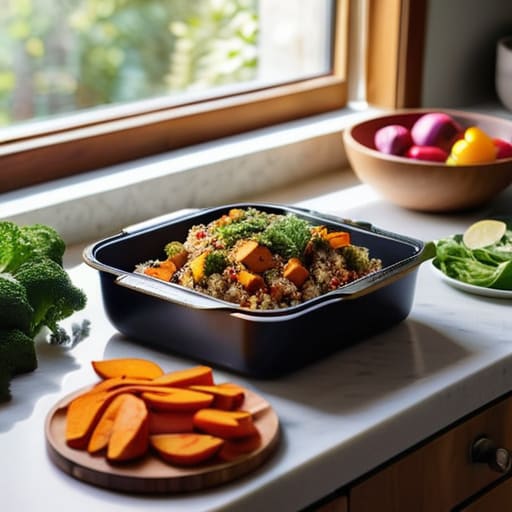
I am so tired of seeing those “aesthetic” meal prep videos where people spend six hours on a Sunday color-coding glass containers filled with perfectly cubed sweet potatoes and kale. Let’s be real: if your Sunday afternoon looks like a professional culinary photoshoot, you’re not prepping; you’re performing. Most of those high-maintenance tutorials are a one-way ticket to burnout, and frankly, they make make ahead meals feel like a second job rather than a way to reclaim your sanity. I don’t have the time or the desire to live in a Pinterest board, especially when I’m trying to manage an operations team and keep my own life from spiraling by Wednesday.
I’m not here to sell you on a lifestyle you can’t maintain. Instead, I want to share the unpolished, realistic version of how I actually use food prep to keep my bank account from bleeding out on DoorDash orders. We’re going to talk about low-effort, high-reward strategies that focus on building a pantry and prepping basic components rather than complex recipes. My goal is to give you a toolkit of small, repeatable habits that actually fit into a standard work week, helping you eat better without losing your entire weekend to the kitchen.
Table of Contents
Budget Friendly Batch Cooking That Actually Works
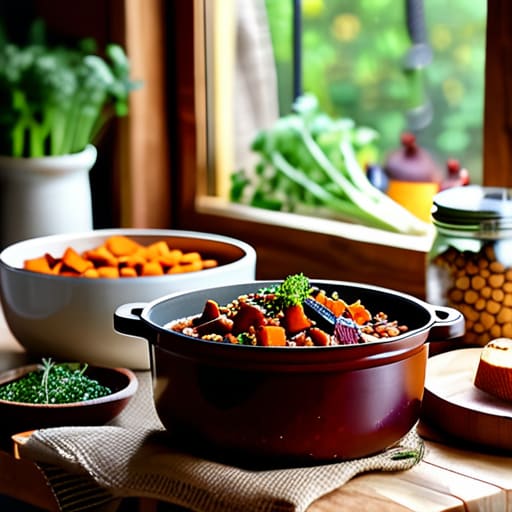
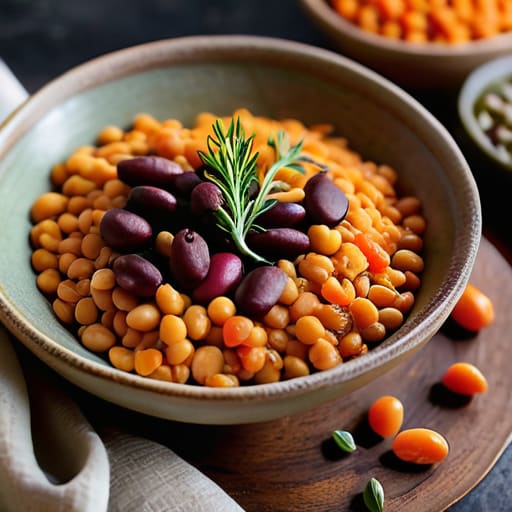
Look, I’ve seen those Pinterest boards where every container is perfectly color-coded with organic quinoa and dragon fruit. It’s exhausting, and frankly, it’s expensive. If you want to actually save money, you need to lean into budget friendly batch cooking that focuses on versatile staples rather than specialty ingredients. I’m talking about big batches of lentils, roasted root vegetables, or a massive pot of chili. These are the workhorses of a realistic kitchen. When you buy in bulk and cook once to eat thrice, you aren’t just saving time; you’re actively preventing those “I’m too tired to cook” impulse orders that drain your savings.
The real secret to making this sustainable is investing in a few decent meal prep containers for freezing. There is nothing worse than pulling out a container of leftovers only to realize it’s a soggy, unidentifiable mess. I swear by portioning everything out into individual servings before they hit the freezer. It stops you from overeating and makes the “grab and go” aspect actually functional for a busy work week. Just remember: don’t try to cook five new recipes at once. Pick one base ingredient and learn how to pivot it so you don’t get bored by Wednesday.
Healthy Meal Prep Ideas Without the Stress
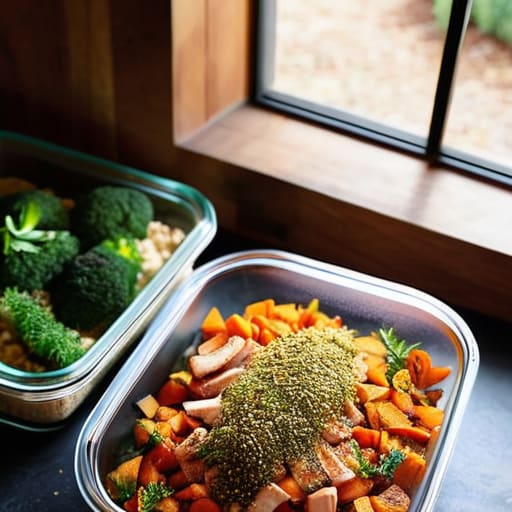
The biggest mistake people make when searching for healthy meal prep ideas is thinking they need to become a Michelin-star chef on a Sunday afternoon. That’s a one-way ticket to burnout. Instead of trying to cook five elaborate, different recipes, I’ve found that the most sustainable approach is to focus on component prepping. This means roasting a big tray of seasonal veggies, boiling a pot of quinoa, and prepping a protein like shredded chicken or seasoned chickpeas. You aren’t stuck with the same flavor profile every day; you’re just giving yourself a head start so you can assemble a fresh bowl in five minutes when you’re staring blankly at the fridge after work.
If you want to take the pressure off even further, invest in some decent meal prep containers for freezing. There is nothing more demoralizing than pulling a sad, soggy Tupperware out of the fridge on a Thursday. By portioning out extra servings into freezer-safe containers immediately, you create a “safety net” for those nights when life inevitably gets in the way and you’re too tired to even think about assembly. It’s not about being perfect; it’s about being prepared for the chaos.
My Low-Stress Rules for Not Living in the Kitchen
- Stop trying to cook five new recipes every Sunday. Pick one big base—like a massive batch of roasted sweet potatoes or a huge pot of quinoa—and use it in three different ways throughout the week. It’s less about “variety” and more about not having to chop an onion every single night.
- Invest in actual decent containers. I learned the hard way that cheap plastic lids that leak are the fastest way to make meal prep feel like a chore. If you can’t trust your Tupperware in your bag, you’re just going to end up buying a $15 salad at lunch anyway.
- Embrace the “Component Method” instead of the “Full Meal” trap. Instead of portioning out identical containers that get boring by Wednesday, just prep the components. Keep your proteins, grains, and veggies separate. It keeps the food fresher and lets you assemble something that doesn’t feel like “leftovers.”
- Don’t ignore the freezer. If you’re making a big batch of chili or soup, freeze half of it in individual portions immediately. It’s basically a built-in insurance policy for those nights when your workday runs late and you’re too tired to even think about cooking.
- Keep your “emergency” meals in the pantry. Even with the best prep, life happens. Always have a box of high-quality pasta and a jar of decent pesto on hand. It’s much better to eat a quick, intentional pasta dish than to cave and spend $30 on DoorDash because your “plan” failed.
The Reality Check
At the end of the day, meal prepping isn’t about having a fridge full of perfectly uniform, color-coordinated glass containers that look like they belong in a lifestyle magazine. It’s about the practical stuff we talked about: keeping your grocery bill from spiraling, avoiding that 6:00 PM “what am I even eating” panic, and making sure you actually have something nutritious to grab when your brain is fried from work. Whether you’re batch-cooking a massive pot of chili or just prepping a few versatile components like roasted veggies and a grain, the goal is simply to remove the friction from your daily routine.
Please, don’t feel like you have to overhaul your entire kitchen this weekend. If you try to prep twenty different meals at once, you’ll likely burn out by Wednesday and end up ordering pizza anyway. Start small. Pick one thing—maybe it’s just chopping onions ahead of time or making a double batch of rice—and see how that tiny bit of extra effort changes your week. Life is messy, and your meal plan will be too, but building these small, repeatable habits is how you actually reclaim your time and your sanity. You’ve got this.
Frequently Asked Questions
How do I keep my food from tasting like "leftovers" by Thursday?
The “leftover” taste is usually just a combination of moisture loss and texture fatigue. My rule? Don’t prep the final dish; prep the components. Instead of a massive container of soggy stew, roast a batch of seasoned chicken, prep some quinoa, and keep your veggies raw or lightly blanched. When Thursday hits, you’re just assembling fresh ingredients rather than reheating mush. It takes five extra minutes, but it saves your sanity (and your appetite).
Is it actually worth the time to prep everything on Sunday, or should I just cook a little extra each night?
Honestly? For most of us, the “Sunday Scaries” version of meal prep—spending five hours in a kitchen surrounded by Tupperware—is a recipe for burnout. I’ve found that the sweet spot is a hybrid approach. Cook a little extra during dinner on Monday and Wednesday. It’s less overwhelming than a marathon session, and you aren’t stuck eating the exact same meal four days in a row. Keep it sustainable, not performative.
What are some realistic ways to store these meals without spending a fortune on fancy glass containers?
Look, please don’t fall for the trap of thinking you need a matching set of expensive glass containers to be “organized.” I used to think that too, until I looked at my bank statement. Honestly? Just hit up a thrift store or grab a bulk pack of decent BPA-free plastic bins. They’re lighter to carry and way easier on the budget. As long as they’re airtight and stackable, they do the job perfectly.