










I am so tired of seeing those “aesthetic” meal prep videos where people spend three hours on a Sunday assembling thirty identical, color-coordinated glass containers filled with organic quinoa and overpriced microgreens. Honestly, if I see one more influencer suggest that the only way to save money is to live on nothing but dry lentils and sheer willpower, I might lose it. We need to stop pretending that saving money has to be a full-time, high-effort lifestyle overhaul. The truth about how to lower food costs isn’t found in a $200 grocery haul of superfoods; it’s found in the unglamorous, slightly boring decisions we make between the aisles of a standard supermarket.
I’m not here to sell you on a magic bullet or a radical diet that leaves you feeling miserable by Wednesday. Instead, I want to share the small, repeatable habits that actually work when you’re balancing a full-time job and a real life. I’m talking about pragmatic, low-effort shifts in how you shop and what you keep in your pantry—strategies I’ve honed through years of navigating my own budget fluctuations. Let’s focus on realistic wins that keep your bank account healthy without making your kitchen feel like a chore.
Table of Contents
Smart Meal Planning for Savings Without the Burnout
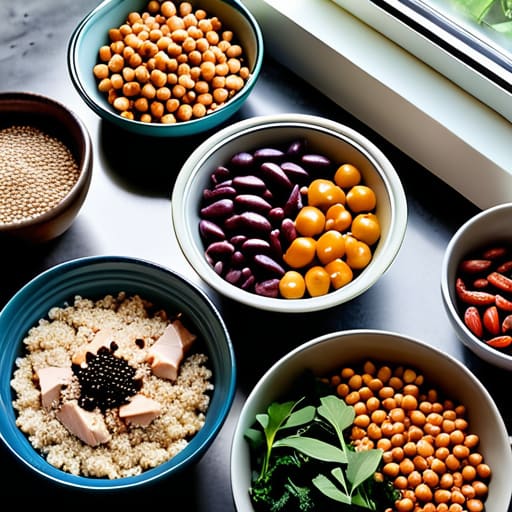
Look, I’ve tried those intensive Sunday meal prep sessions where you spend five hours in a cloud of steam, chopping twenty different vegetables just to feel “organized.” By Wednesday, I’m exhausted, and by Friday, I’m ordering takeout because the thought of cleaning another Tupperware makes me want to cry. We need to stop treating meal planning for savings like a second full-time job. Instead, I’ve moved toward a “modular” approach. I prep a few versatile bases—like a big pot of seasoned grains or roasted veggies—and mix them with different proteins throughout the week. It’s much more sustainable than trying to eat the exact same chicken and broccoli bowl for five days straight.
Another thing that saved my sanity (and my bank account) was leaning into budget friendly meal prep that actually utilizes what I already have. Before I even look at a recipe, I check my pantry. Most of my “new” meals are just creative ways to use that half-bag of lentils or the frozen spinach hiding in the back of the freezer. This isn’t about being a gourmet chef; it’s about reducing food waste tips into actual, daily habits that keep your fridge from becoming a graveyard for expensive produce.
Affordable Grocery Store Hacks That Actually Work

Look, we’ve all been there: you walk into the store for a single carton of eggs and walk out $80 later, feeling like you’ve been robbed. To combat this, I’ve learned to stop treating the grocery store like a scavenger hunt and start treating it like a mission. One of my favorite affordable grocery store hacks is the “bottom shelf rule.” Most brands place the high-margin, expensive items at eye level to tempt you. If you actually take a second to look down, you’ll almost always find the generic or store-brand versions that are identical in quality but half the price.
Another thing that saved my sanity (and my checking account) was rethinking how I handle perishables. Instead of buying everything fresh and watching it wilt in the crisper drawer, I’ve leaned into the bulk buying benefits of staples like grains, frozen veggies, and legumes. Frozen spinach is just as nutritious as the fresh stuff, but it won’t turn into a slimy mess in three days. It’s not about deprivation; it’s about being strategically lazy with your spending so you aren’t throwing money directly into the trash.
The low-effort habits that actually move the needle
- Stop treating your pantry like a storage unit and start treating it like a menu. Before you even think about stepping foot in a grocery store, I do a quick “pantry audit.” If I realize I have three half-empty boxes of pasta and a jar of marinara hiding in the back, that’s my dinner for Tuesday. Building meals around what you already own is the easiest way to stop wasting money on duplicates.
- Embrace the “frozen over fresh” rule for everything except produce you’re eating that day. Look, I love a fresh berry bowl as much as the next person, but frozen veggies are cheaper, they don’t rot in my crisper drawer after three days, and they’re just as nutritious. It takes the pressure off having to “use it or lose it” by Friday.
- Get comfortable with the “ugly” produce and generic brands. I used to be one of those people who thought store-brand beans or oats were inferior, but my bank account (and my taste buds) proved otherwise. Most of the time, the only difference is the fancy packaging and a slightly higher price tag.
- Master the art of the “component meal.” Instead of trying to cook five different complex recipes a week, I cook big batches of basic components—like a tray of roasted sweet potatoes, a pot of grains, or some shredded chicken. It’s much cheaper to buy ingredients in bulk and assemble them differently each night than it is to buy all the specific ingredients for five separate, specialized meals.
- Keep a “running list” on my phone for the stuff I always run out of. There is nothing more expensive than a 10:00 PM emergency run to the convenience store because I realized I’m out of milk or eggs. If I see we’re down to the last bit, it goes on the list immediately. It prevents those impulse buys that happen when you’re hungry and unprepared.
Bringing it all home
At the end of the day, cutting your food costs isn’t about living on instant noodles or depriving yourself of anything delicious. It’s really just about reclaiming control from the impulse buys and the “what’s for dinner?” panic that leads to expensive takeout. We’ve looked at how a bit of intentional meal planning can save your sanity, and how those small, tactical shifts at the grocery store—like checking unit prices or sticking to a list—can add up to significant wins by month’s end. It’s not about being perfect; it’s about being consistently mindful of where your hard-earned money is actually going.
If you feel overwhelmed, please just pick one thing. Don’t try to overhaul your entire pantry and kitchen workflow by Monday morning. Maybe this week, you just commit to one more shop with a written list, or you try to use up whatever is lingering in the back of your freezer before buying more. Real progress is built on these tiny, boring wins that eventually become second nature. You don’t need a lifestyle overhaul to see a difference in your bank account; you just need to start where you are. You’ve got this.
Frequently Asked Questions
How do I stop wasting money on fresh produce that just ends up rotting in my crisper drawer?
The “crisper drawer graveyard” is a real thing, and trust me, I’ve been there. My first rule? Stop buying produce with the intention of being “healthy” and start buying based on your actual schedule. If you know your week is slammed, skip the delicate spinach and grab a bag of frozen peas instead. Also, treat your veggies like they’re on a deadline—if they’re looking a little sad, toss them into a quick stir-fry or a smoothie immediately.
Is it actually cheaper to buy in bulk, or am I just spending more upfront for stuff I don't need?
It’s a trap if you aren’t careful. I’ve definitely been there—standing in the warehouse club aisle thinking a massive bag of quinoa is a “steal,” only to realize I’ve just spent $20 on something that’ll sit in my pantry for six months. Bulk buying only works for the non-perishables you actually use every single week. If it’s not a staple, you’re not saving money; you’re just subsidizing the store’s inventory.
How can I eat decent, healthy meals without spending my entire Sunday meal prepping for the week?
Look, I get it. The idea of spending five hours in a kitchen every Sunday just to eat slightly different containers of chicken and broccoli sounds more like a chore than a lifestyle. Instead of massive prep sessions, try “component prepping.” Instead of full meals, just cook a big batch of one base—like quinoa or roasted sweet potatoes—and one protein. It takes twenty minutes, and then you’re just assembling different flavors throughout the week.