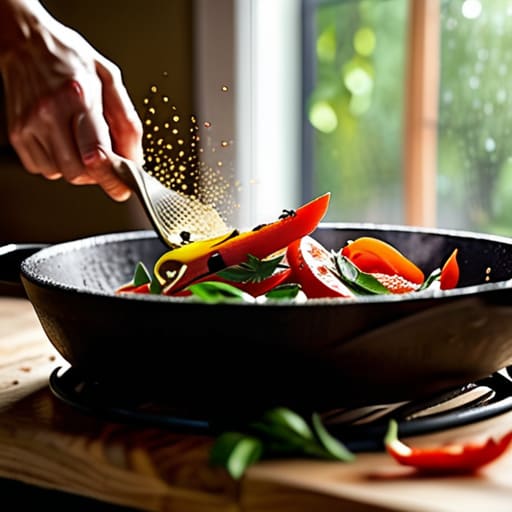








I am so tired of seeing those “aesthetic” meal prep videos where people spend $200 on organic microgreens and artisanal sourdough just to prove they can eat cheaply. It’s exhausting, it’s fake, and frankly, it’s a lie. If you try to follow those hyper-curated influencer guides, you’ll end up more broke and stressed than when you started. Let’s be real: learning how to cook on a budget isn’t about buying expensive bamboo steamers or perfectly color-coordinated glass containers; it’s about the unsexy, repetitive stuff that actually keeps your bank account from hitting zero by the third week of the month.
I’m not here to sell you a lifestyle or a magic recipe book. My goal is to give you the same practical, boring-but-effective strategies I used to survive my early twenties while working retail and finishing my degree. We’re going to focus on small, repeatable habits—like mastering the art of the pantry staple and knowing which grocery store aisles to avoid—that actually work in the real world. No fluff, no Pinterest-perfect illusions, just straightforward tactics for eating well without the financial hangover.
Table of Contents
Mastering Grocery Shopping on a Budget Without the Stress
The real secret to mastering grocery shopping on a budget isn’t about hunting for coupons for three hours; it’s about the pre-game. I’ve learned the hard way that walking into a store without a plan is basically an invitation for impulse buys to wreck my weekly budget. Before I even grab my reusable bags, I do a quick scan of what’s actually in my fridge. It sounds tedious, but it’s the foundation of effective meal planning for savings. If I know I already have a jar of marinara and half a box of pasta, I’m not accidentally buying a third jar just because it was on sale.
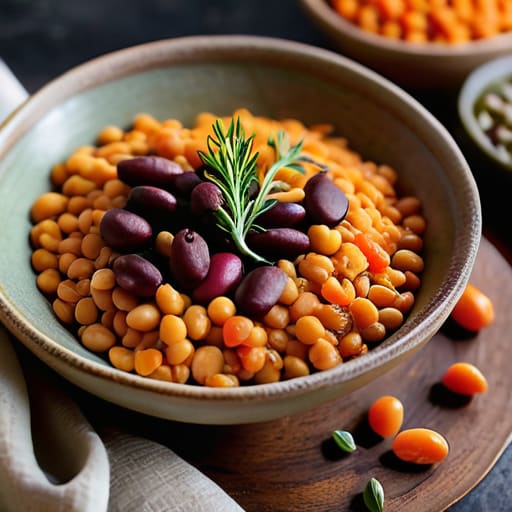
Once I’m actually in the aisles, I stick to a strict list and try to avoid the middle aisles where the processed, expensive stuff lives. I focus heavily on building a collection of affordable pantry staples—think lentils, rice, and canned beans—that can be transformed into a dozen different meals. Also, a pro tip from my own chaotic kitchen: never shop while you’re hungry. It sounds like a cliché, but trying to navigate a supermarket on an empty stomach is how I ended up with a cart full of expensive snacks instead of the ingredients I actually needed for dinner.
Building a Foundation With Affordable Pantry Staples
Once you’ve conquered the grocery store aisles, the real magic happens in your kitchen cabinets. I used to think having a “fancy” kitchen meant having exotic spices and expensive oils, but honestly? My most reliable meals always start with affordable pantry staples. I’m talking about the unglamorous stuff: dried lentils, brown rice, canned tomatoes, and oats. These items are the backbone of any sensible budget; they have a long shelf life, they’re incredibly cheap, and they serve as a blank canvas for whatever random vegetables are looking sad in your crisper drawer.
The trick isn’t just buying these things, but learning how to bridge them together. Instead of looking for complex recipes, I focus on meal planning for savings by seeing what I already have before I even think about shopping. If I have a bag of quinoa and a tin of chickpeas, I don’t need a gourmet grocery run—I just need a lemon and some garlic. By building a rotation of these reliable bases, you stop the cycle of expensive, last-minute takeout orders when you’re too tired to think.
The actual "boots on the ground" tactics for saving while you cook
- Stop treating every meal like a gourmet project. Some nights, a glorified grilled cheese or a quick bean chili is going to be your dinner, and that is perfectly fine. The “hustle” to make every meal look like a food blogger’s spread is just a recipe for burnout and a massive grocery bill.
- Learn to love the frozen aisle. I know, it doesn’t feel as “fresh,” but frozen veggies are often more nutritious than the stuff that’s been sitting in a produce bin for a week, and they won’t turn into a science experiment in the back of your crisper drawer.
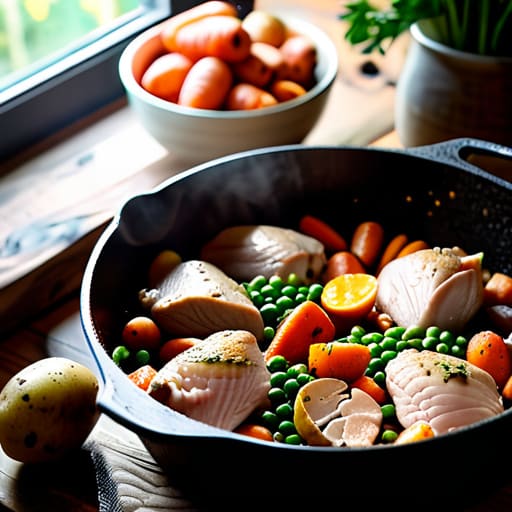
- Become a master of the “leftover flip.” Don’t just reheat last night’s chicken; turn it into a taco filling or slice it into a salad. If you aren’t repurposing your ingredients, you’re essentially throwing money directly into the trash.
- Check your spice cabinet before you head out. There is nothing more frustrating—or expensive—than getting home and realizing you’re missing one crucial seasoning, only to end up buying a $7 jar of something you’ll use once.
- Embrace the “ingredient overlap” strategy. When I’m planning my week, I try to pick ingredients that work in multiple ways. If I buy a big bag of spinach, it’s going in my morning smoothie, my pasta, and my omelet. It keeps the waste down and the utility up.
Keeping the Momentum
At the end of the day, cooking on a budget isn’t about deprivation or living on nothing but plain rice and beans. It’s about the systems we put in place—like having a reliable pantry of staples and actually sticking to a grocery list—that prevent those expensive, last-minute takeout orders when you’re too tired to think. We’ve covered how to shop smarter and how to build a foundation of ingredients that work hard for you, so now the goal is simply to apply these small shifts to your weekly routine. It’s not about being perfect every single time you walk into a store; it’s about making intentional choices that keep your bank account from feeling the sting of a chaotic kitchen.
I know it can feel overwhelming to overhaul your entire lifestyle, especially when the internet makes it look like everyone else has a perfectly organized, aesthetic pantry. But please, don’t let that comparison trap you. Start with one thing—maybe it’s just committing to one more home-cooked meal this week or finally buying that bulk bag of lentils. These tiny, repeatable habits are what actually move the needle in the long run. You don’t need a lifestyle makeover; you just need a few practical tools that work for your real, busy life. You’ve got this, and I promise it gets easier once you find your rhythm.
Frequently Asked Questions
How do I stop myself from impulse buying those "healthy" snacks that end up being way more expensive than actual meals?
Honestly, I used to be the queen of “healthy” impulse buys—those overpriced kale chips and protein bars that cost more than a decent lunch. My trick? The “Unit Price Rule.” I stop looking at the flashy packaging and look at the small print on the shelf tag to see the actual cost per ounce. If it’s triple the price of a bulk snack, it stays on the shelf. Also, never shop hungry; it’s a trap.
I have a bunch of random ingredients in my pantry, but I have no idea how to actually turn them into a real dinner without starting from scratch.
We’ve all been there—staring at a lonely can of chickpeas, half a bag of pasta, and some wilted spinach like it’s a math problem we can’t solve. Instead of ordering takeout, try the “base + protein + acid” rule. Grab a carb base (rice, pasta, or even toast), throw in your protein, and add a splash of vinegar or lemon juice to wake everything up. It’s not gourmet, but it’s a real meal.
Is it actually cheaper to buy in bulk, or am I just spending more money upfront for stuff that might go bad before I use it?
It’s a trap if you aren’t careful. I used to fall for the “bulk is better” logic, only to find a giant bag of quinoa gathering dust in the back of my pantry three months later. The rule of thumb I use? Only buy in bulk if it’s a non-perishable staple you use weekly—think rice, beans, or coffee. If it’s something that might expire or take forever to finish, stick to the smaller, cheaper packs.