








I was standing in my kitchen last Tuesday, staring at a bag of slimy, liquefied spinach that I’d bought with the best of intentions, and I felt that familiar, stinging sense of failure. We’ve all been there—buying “superfoods” for a version of ourselves that actually enjoys meal prepping on Sundays, only to watch them rot in the crisper drawer. Most of the advice you see online about how to reduce food waste feels like it requires a complete lifestyle overhaul or a professional-grade composting system in your backyard. Honestly? I don’t have the time or the energy for a perfectly curated zero-waste life, and frankly, neither do you.
I’m not here to sell you on some expensive, aesthetic glass jar system or tell you to spend three hours a week fermenting scraps. Instead, I want to share the small, slightly messy, but genuinely effective habits I’ve picked up through years of managing a busy household and a demanding career. We’re going to focus on practical tweaks—the kind that actually save you money at the grocery store without adding more stress to your plate. Let’s get into the real-world tactics that actually work.
Table of Contents
Meal Planning for Beginners Without the Perfectionism
If you’ve ever looked at a Pinterest-perfect meal plan with color-coded containers and thought, “Yeah, that’s not happening,” I get it. I used to try that, and by Wednesday, I was staring at a wilted bag of spinach and ordering takeout anyway. Real meal planning for beginners isn’t about mapping out every single calorie for the next seven days; it’s just about having a loose roadmap so you aren’t making impulse buys when you’re hungry.
Instead of a rigid schedule, I recommend the “anchor method.” Pick two or three proteins or grains you know you’ll use, and build around them. This simple shift is one of the most effective ways of reducing grocery expenses because it prevents that random, uninspired trip to the store for “just one thing” that inevitably turns into a $60 haul. My rule of thumb? Plan for the leftovers. If I know Tuesday’s roast chicken is going into Wednesday’s tacos, I’m much less likely to let ingredients go to die in the back of the crisper drawer.
Mastering Food Storage Techniques That Actually Work
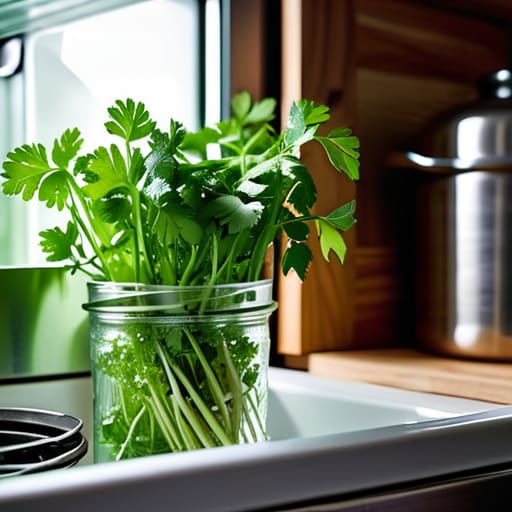
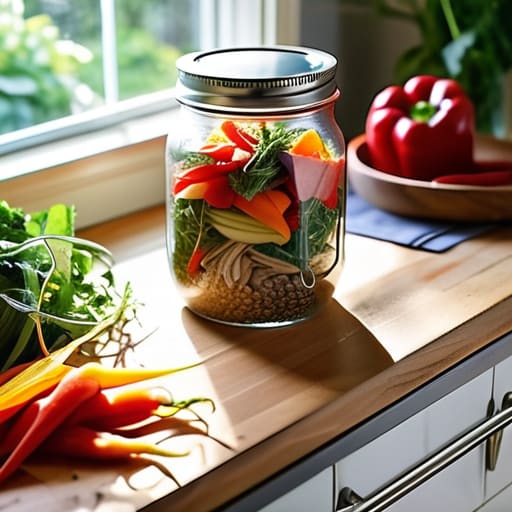
Let’s be real: most of us buy a massive bag of spinach with the best intentions, only to find a bag of green slime in the crisper drawer a week later. It’s frustrating, and honestly, it feels like throwing cash directly into the bin. One of the most effective food storage techniques I’ve learned isn’t about buying expensive, airtight gadgetry; it’s about understanding how different ingredients actually behave. For example, I’ve started treating my herbs like flowers—placing cilantro and parsley in a jar of water in the fridge—and it has been a total game-changer for longevity.
Another thing that saved my sanity (and my budget) was finally getting serious about understanding expiration dates. I used to panic the second I saw a “use by” label, but there’s a massive difference between a strict safety deadline and a “best if used by” quality suggestion. Once I stopped treating every date like a ticking time bomb, I realized I was tossing perfectly good food prematurely. It’s a small mental shift, but it’s one of those sustainable kitchen habits that actually makes a dent in your monthly grocery bill without requiring a lifestyle overhaul.
The "Low-Effort" Strategy: 5 Ways to Stop the Rot
- Shop your own pantry first. Before you even touch your grocery app or head to the store, spend five minutes looking at what’s already hiding in the back of your cupboard. I started doing this last month, and it turns out I already had two boxes of pasta and a jar of marinara—no need to buy more and let the old stuff expire.
- Embrace the “Eat Me First” bin. I keep a small, clear container in the middle of my fridge specifically for things that are nearing their end—that half-used onion, the slightly soft bell pepper, or the yogurt that expires tomorrow. If it’s in the bin, it’s the priority for dinner.
- Stop treating “Best By” dates like a death sentence. Most of the time, those dates are about quality, not safety. I’ve learned to trust my nose and my eyes more than a printed label; if the crackers are still crunchy and the milk doesn’t smell sour, they aren’t trash.
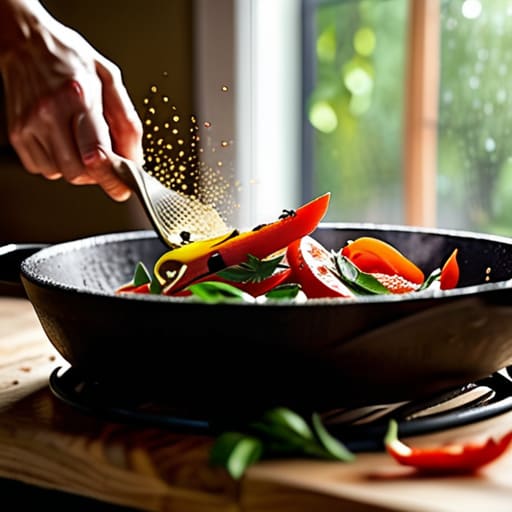
- Learn the art of the “Kitchen Sink” meal. Whenever I have a random assortment of wilting greens and leftover veggies, I don’t stress—I just make a stir-fry, a frittata, or a grain bowl. It’s a great way to clear out the crisper drawer without needing a complex recipe.
- Freeze everything that isn’t going to be eaten today. If you realize you aren’t going to finish that loaf of bread or those berries before they turn, toss them in the freezer immediately. You can always thaw them for a smoothie or toast later, rather than watching them turn into science experiments in the bin.
Small Wins, Big Impact
At the end of the day, reducing food waste isn’t about becoming a zero-waste influencer or having a perfectly aesthetic, color-coded pantry. It’s really just about the basics we’ve talked about: planning a few meals so you aren’t panic-buying groceries, learning which veggies actually need to stay in the crisper drawer, and getting comfortable with the “use it up” night once a week. If you can master even just one of these—like freezing that half-empty jar of salsa or checking your fridge before you hit the store—you’re already ahead of the game. It’s those tiny, repeatable shifts that actually move the needle on your grocery bill and your environmental footprint.
Please, don’t let the fear of doing it “perfectly” stop you from starting at all. You’re going to forget a bag of spinach in the back of the fridge sometimes, and that is perfectly okay. Life is messy, and perfectionism is the enemy of progress. Instead of feeling guilty about the scraps you do toss, just focus on doing a little bit better next time. We’re all just trying to navigate this chaotic world with a bit more intention and a lot less waste. Take it one meal at a time, keep your eyes on your bank account, and give yourself some grace along the way.
Frequently Asked Questions
How do I actually manage a meal plan when my work schedule or energy levels change halfway through the week?
Look, I’ve been there—staring at a planned salmon dinner while my brain is fried from back-to-back meetings. When the plan falls apart, don’t scrap everything. Keep a “fallback list” of 10-minute meals like frozen dumplings or even just eggs on toast. I also keep a “modular” approach: prep versatile components like roasted veggies or grains instead of full meals. That way, if my energy tanks, I can pivot without the guilt.
Is it worth buying those expensive airtight containers, or can I just make do with what I already have in my kitchen?
Honestly? Save your money. I’ve seen people spend hundreds on those aesthetic, matching glass sets just for the “vibe,” but your bank account doesn’t need that. If you have old Tupperware or even just some decent zip-top bags, use them. The goal is keeping air out, not having a Pinterest-perfect pantry. Start with what you have; once you actually see where your food is spoiling, then you can decide if an upgrade is worth it.
What are some easy ways to use up those random, half-used ingredients that are just sitting in the back of my fridge?
Look, we’ve all been there—staring at a lonely half-jar of pesto and a single bell pepper like they’re a puzzle we can’t solve. My go-to is the “Everything Scramble” or a “Kitchen Sink Soup.” Basically, if it’s edible, toss it into a base of grains, eggs, or broth. I also love making “fridge raid” grain bowls; just roast whatever veggies are looking sad and pair them with a leftover protein. It’s not gourmet, but it works.