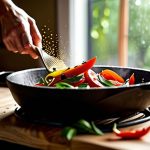








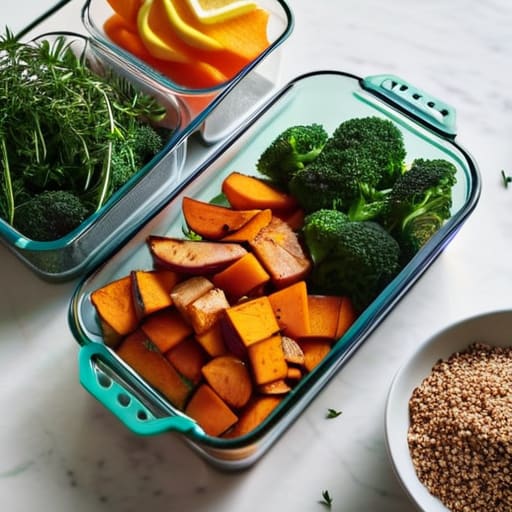
I’ll be the first to admit it: I used to spend my Sunday afternoons staring at a mountain of kale and plastic containers, feeling completely defeated by the sheer pressure to live out some Pinterest-perfect fantasy. We’ve all seen those influencers who somehow find the time to cook five-star, color-coded meals while maintaining a spotless kitchen, but for those of us balancing a full-time job and a life that actually happens, that approach is a recipe for burnout. The truth is, most healthy meal prep ideas you see online are way too complicated for a Tuesday when you’re exhausted. We don’t need more elaborate recipes; we need systems that actually work when we’re tired.
Instead of trying to overhaul your entire life in one weekend, I want to show you how to work smarter, not harder. I’ve narrowed down five realistic, low-effort strategies that focus on building a foundation rather than following a rigid script. These aren’t about perfection; they’re about small, repeatable wins that save you money and sanity. By the end of this, you’ll have a toolkit of simple methods to help you stay nourished without spending your entire life in the kitchen.
Table of Contents
The "Component" Method
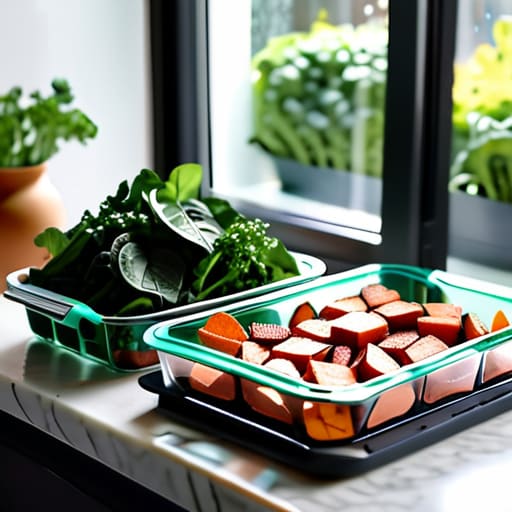
I used to fall into the trap of spending my entire Sunday afternoon assembly-lining identical Tupperware containers filled with the same bland chicken and broccoli. It was exhausting, and by Wednesday, I was staring at my leftovers with pure resentment. Now, I swear by the component method. Instead of making full meals, I just prep individual building blocks: a big batch of roasted sweet potatoes, a tray of seasoned protein, and a container of washed greens.
One-Pan Wonders
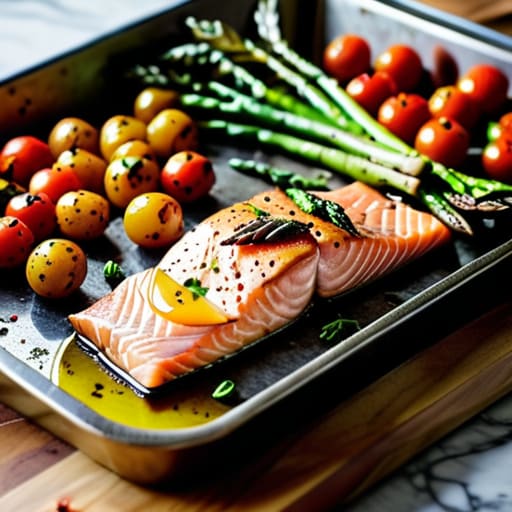
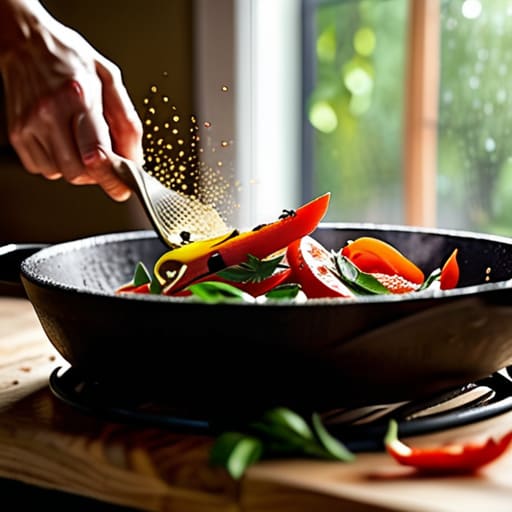
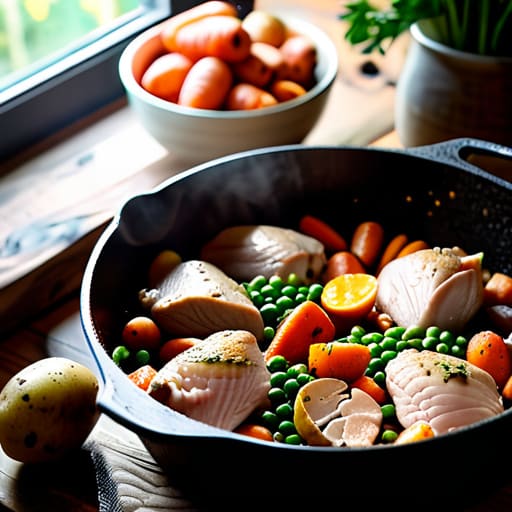
Let’s be real: nobody actually wants to spend their evening scrubbing five different pots and pans. My philosophy on healthy eating is that if it takes more than one pan to make, I’m probably not going to do it consistently. That’s why I’ve become a devotee of the sheet pan dinner. You just toss your protein, some hearty veggies, and a bit of olive oil onto a tray, slide it in the oven, and walk away to finally catch up on a show or organize my planner.
The Sauce Strategy
If there is one thing I’ve learned from my obsession with fermenting hot sauces, it’s that flavor is everything. You can eat the healthiest meal in the world, but if it’s dry and uninspiring, you’re going to end up ordering takeout by Thursday. I don’t prep fancy meals; I prep versatile sauces that can transform basic ingredients into something that actually tastes good.
Grain Prep for Longevity
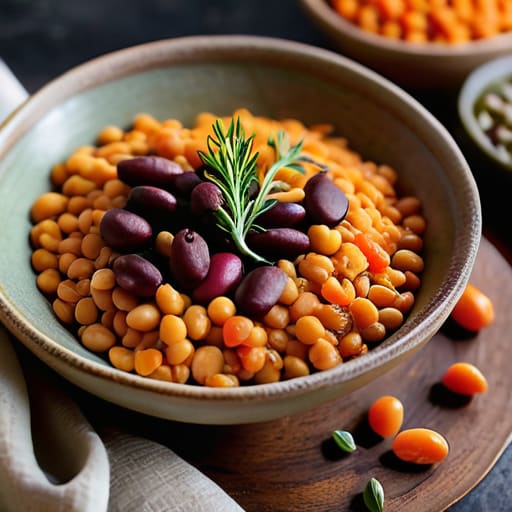
I used to think cooking a massive pot of quinoa or farro was a waste of time because they seemed to go bad so quickly. But once I figured out the right storage hacks, it became my ultimate productivity hack. Grains are the perfect, cheap base for almost any meal, and they provide that steady energy I need to get through a long afternoon of back-to-back meetings.
Breakfast on Autopilot
We often focus so much on lunch and dinner that we completely neglect breakfast, which usually leads to a mid-morning caffeine crash and a very expensive pastry run. I’ve found that the most sustainable way to handle mornings is to embrace the “set it and forget it” mindset. Overnight oats are my absolute lifeline here; they require zero cooking and you can customize them based on whatever is in your pantry.
Keeping it Real in the Kitchen
Look, I know the idea of spending your entire Sunday afternoon meticulously portioning out colorful vegetables into matching glass containers sounds lovely in theory, but for most of us, it’s just not sustainable. We’ve covered how focusing on a few versatile staples like grains or proteins is much more effective than trying to cook a gourmet five-course meal for the week. Whether you’re opting for the “buffet style” approach or just prepping one big batch of something delicious, the goal is to remove the decision fatigue that usually leads to us hitting the takeout apps by Wednesday night. It’s about making the healthy choice the easiest choice when you’re tired and hungry.
At the end of the day, please don’t let the pressure of “perfect” meal prepping derail you. If you only manage to prep one single sauce or one batch of roasted chickpeas this week, that is still a win. Life is messy, work is demanding, and sometimes the best “meal prep” is simply having a frozen veggie mix in the freezer for when things go sideways. Focus on the small, repeatable wins that actually fit into your schedule, not the ones that look good on a social media feed. You’ve got this, one simple meal at a time.
Frequently Asked Questions
How do I keep my prepped meals from getting soggy or tasting like "fridge leftovers" by Thursday?
The “sad Thursday leftovers” struggle is real. My biggest rule? Never dress your salads or sauce your grains until you’re actually ready to eat. Keep the wet stuff in a tiny separate container. Also, let your hot food cool down completely before snapping the lid on; otherwise, that steam turns into condensation, and suddenly your roasted veggies are a soggy mess. It’s a small step, but it makes a massive difference in texture.
I only have about an hour on Sundays—what's the most efficient way to prep without spending my entire weekend in the kitchen?
Look, I get it. I’ve spent too many Sundays staring at a mountain of kale feeling like I’ve wasted my entire weekend. If you’ve only got an hour, stop trying to cook full meals. Instead, “component prep.” Roast a big tray of veggies, boil a pot of grains, and cook one protein. That’s it. Don’t worry about the recipes yet; just get the building blocks ready so you can assemble something real in five minutes on Tuesday.
Is it actually worth buying all those fancy glass containers, or can I just use what I already have in my cupboard?
Honestly? Save your money. I used to think I needed a matching set of aesthetic glass containers to “feel” organized, but it was just more clutter. If you have old Tupperware or even just some sturdy reusable bags, use them. The goal is to actually eat the food, not to have a Pinterest-worthy fridge. Spend that extra cash on better ingredients instead—your bank account (and your stomach) will thank you much more.