








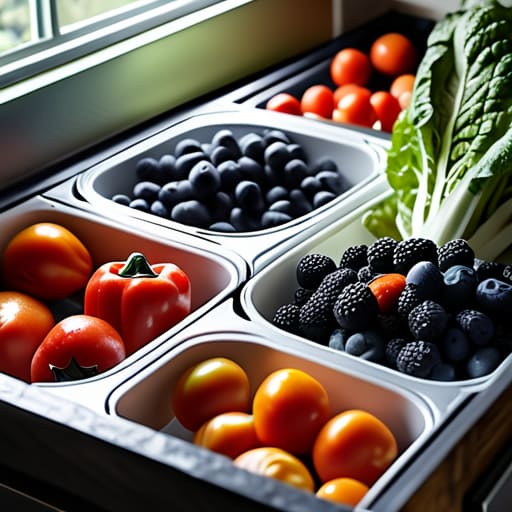
I used to think that mastering how to freeze food required a professional-grade vacuum sealer and enough specialized containers to stock a small restaurant. I spent way too much money on “smart” kitchen gadgets that promised to revolutionize my meal prep, only to end up with a freezer full of freezer-burned mystery meat and a lighter bank account. Honestly, the internet makes it sound like a high-stakes science experiment, but if you’re anything like me, you just want to stop throwing money in the trash every time you realize those spinach leaves have turned into a slimy mess in the crisper drawer.
I’m not here to sell you on some complicated, aesthetic system that takes three hours of your Sunday to maintain. Instead, I want to share the low-effort, high-impact habits I’ve actually used to keep my groceries fresh and my budget intact. We’re going to skip the fluff and focus on the practical, repeatable methods that work in a real, busy kitchen. This is about making your life easier, not adding another chore to your to-do list.
Table of Contents
Mastering Airtight Container Methods for Lasting Freshness
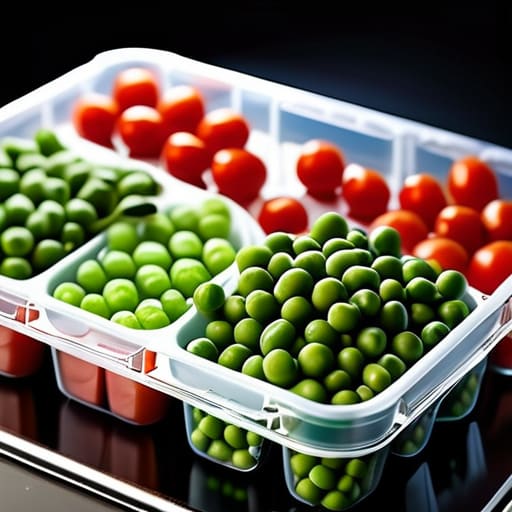
Look, I’ve learned the hard way that shoving a half-empty bag of peas into the freezer is just an invitation for disaster. If you aren’t careful, you’ll end up with those weird, icy crystals that turn everything into a texture nightmare. The secret to preventing freezer burn isn’t some expensive gadget; it’s all about minimizing the air. Air is the enemy of freshness. I always try to use containers that are sized appropriately for what I’m storing. If you put a tiny portion of leftover sauce in a massive Tupperware, that extra space is just a playground for frost to settle in.
When it comes to airtight container methods, I’m a big fan of vacuum sealers for long-term stuff, but honestly, for my weekly meal prep, good quality silicone bags or heavy-duty glass containers do the trick. If you’re freezing vegetables and fruits, try to press as much air out of the bag as possible before sealing it. It feels a little extra, but it’s a small, repeatable habit that ensures your ingredients actually taste like food when you finally defrost them, rather than tasting like “freezer.”
Freezing Vegetables and Fruits the Practical Way
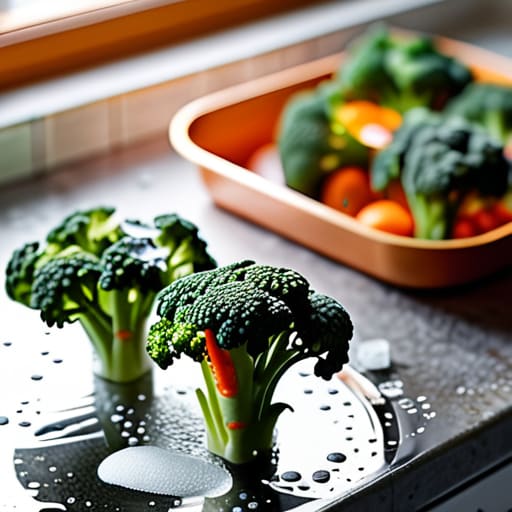
I’ll be the first to admit that I used to just toss whatever produce was looking sad in the crisper drawer straight into a bag and hope for the best. Big mistake. If you want to actually enjoy your produce months later, you have to embrace a little bit of prep work. For most veggies, the secret is a quick blanching session—dropping them in boiling water for a minute and then an ice bath—to stop those enzymes from turning everything into mush. It feels like an extra step when you’re tired after work, but it’s one of those small, repeatable habits that keeps your smoothie bowls from tasting like cardboard.
When it comes to fruit, things are a bit more forgiving, but you still need to be smart about preventing freezer burn. I like to spread my berries or sliced mango on a baking sheet to freeze them individually before moving them into a bag. This prevents that giant, inseparable frozen brick from forming. If you’re wondering how long can frozen food last, most of what I prep stays decent for about 8 to 12 months, provided you aren’t leaving the bags open to the air.
My low-effort rules for freezing without the freezer burn
- Don’t try to freeze everything in one giant bag; break things down into single-serving portions so you aren’t defrosting a whole pound of beef just to use a tiny bit for a stir-fry.
- Give your food a little “headspace” in the container—leave about an inch of room at the top because liquids expand when they freeze, and nobody wants a sauce explosion in their freezer.
- Label everything with a Sharpie and a piece of masking tape, including the date; trust me, “mystery frozen block #4” is not a recipe you want to be staring at three weeks from now.
- If you’re freezing herbs, skip the drying process and just chop them up, put them in an ice cube tray, and cover them with olive oil; it’s a total game-changer for quick cooking.
- Flatten out bags of soups or sauces before they go in; they stack much better like files in a cabinet, which saves you from that chaotic, disorganized “black hole” freezer situation.
The Bottom Line on Freezing Smart
At the end of the day, freezing your food isn’t about becoming a professional chef or having a perfectly manicured pantry; it’s about stopping the bleed on your grocery budget. We’ve covered how to master airtight seals to prevent freezer burn and how to handle your produce so it doesn’t turn into a mushy mess the moment it thaws. Whether you are portioning out leftovers in small batches or prepping a mountain of veggies for the week ahead, the goal is consistency over perfection. If you can just commit to one small habit—like bagging up that extra bit of spinach before it wilts—you’re already winning the battle against food waste.
I know that looking at a pile of groceries can feel like just another chore on an already overflowing to-do list, but I promise it pays off. There is a specific kind of peace that comes with opening your freezer on a chaotic Tuesday night and realizing you actually have a real, nutritious meal ready to go. Don’t feel like you have to overhaul your entire kitchen overnight. Just start small, stay organized, and remember that these tiny, repeatable actions are what actually build a sustainable, stress-free lifestyle. You’ve got this.
Frequently Asked Questions
How do I stop my frozen food from tasting like a science experiment from the freezer burn?
The “science experiment” taste is almost always caused by air getting in. When moisture escapes your food, it turns into those nasty ice crystals—that’s freezer burn. To stop it, squeeze every bit of air out of your bags before sealing, or better yet, use a vacuum sealer if you have one. If you’re using containers, make sure they’re filled nearly to the top so there’s no empty headspace for air to hang out.
Is it actually worth the effort to blanch vegetables first, or can I just toss them straight in?
Look, I get it—when you’re staring at a pile of broccoli after a long shift, the last thing you want to do is boil more water. But if you want to avoid that sad, mushy, grey texture in three months, blanching is worth the extra ten minutes. It stops the enzymes that cause spoilage. If you’re eating them tonight, skip it. If you’re prepping for the freezer, do the quick boil-and-ice bath. Your future self will thank you.
How long can I realistically keep things in the freezer before they go bad and I'm just wasting money?
Look, the “use by” dates on frozen stuff are often wildly optimistic. If you want to avoid throwing money in the trash, aim for the sweet spot: veggies and fruits are good for about 8–12 months, while meats can hang out for 4–6 months before the freezer burn starts winning. Beyond that, they aren’t “spoiled” in a way that’ll make you sick, but they’ll taste like cardboard. If it looks icy or shriveled, let it go.