









I am so tired of seeing those “aesthetic” home office setups on my feed—you know the ones, with the perfectly curated marble desks, three different monitors, and enough indoor plants to qualify as a botanical garden. If you’re looking for expensive gear hauls or a way to turn your living room into a Silicon Valley headquarters, you’ve come to the wrong place. Most of the remote work tips floating around the internet feel like they were written for people who don’t actually have to manage a household or deal with a laundry pile staring them down from the corner of the room. Real life is messy, and trying to live up to a curated digital fantasy is the fastest way to burn out before lunch.
I’m not here to sell you a lifestyle; I’m here to share what actually keeps me sane as an operations manager working from a cramped apartment. I want to talk about the small, unglamorous habits that actually move the needle, from setting boundaries that your family (and your brain) will respect to managing your energy when the midday slump hits. We’re going to skip the fluff and focus on realistic, repeatable systems that help you get your work done without losing your mind in the process.
Table of Contents
Home Office Setup Essentials That Actually Work
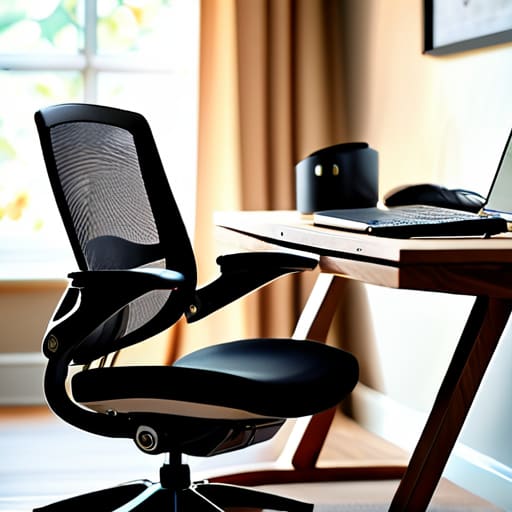
Look, I’ve seen the “aesthetic” desk setups on Instagram—the marble tops, the single monstera leaf, and the perfectly placed linen notebook. They look great, but they aren’t built for an eight-hour shift. When I first started working from home, I thought I could just work from my couch with a laptop and a coffee. Two weeks later, my back felt like it had aged forty years. Real home office setup essentials aren’t about looking Pinterest-perfect; they’re about ergonomics and sustainability.
If you’re investing in anything, prioritize a chair that actually supports your spine and a monitor at eye level. I used to think I was being “efficient” by hunching over my laptop, but that’s just a fast track to a tension headache. Also, don’t underestimate the power of lighting. If you’re sitting in a dark corner, your brain is going to signal that it’s time to nap, not tackle that spreadsheet. A simple, bright desk lamp can be a massive part of your remote work burnout prevention strategy because it helps physically separate “work mode” from “relaxing in the dark mode.”
Remote Work Productivity Hacks for Real People
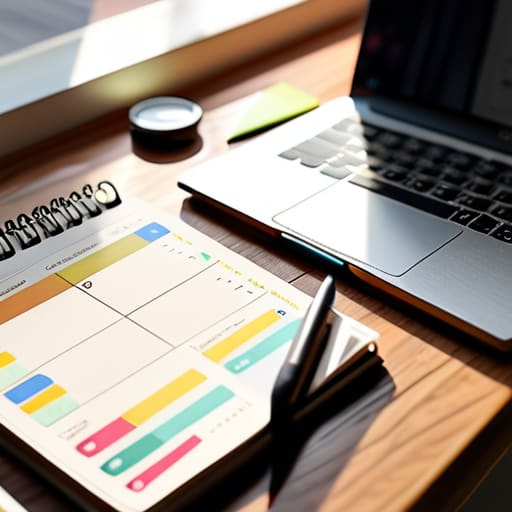
Look, we’ve all seen those “aesthetic” desk setups on Instagram where someone is calmly sipping matcha while working from a beach in Bali. Let’s be real: that’s not a job, it’s a vacation, and trying to live that digital nomad lifestyle usually just leads to a laptop overheating and a very frustrated bank account. For those of us actually trying to hit deadlines, the best remote work productivity hacks aren’t about fancy apps; they’re about protecting your focus. I’ve found that the “Pomodoro technique” people obsess over can feel a bit rigid, so I prefer the “Time Boxing” method. I block out specific chunks in my physical planner for deep work, and when that timer hits, I actually step away from the screen.
The other thing no one tells you is that without a commute, the lines between “office” and “living room” get dangerously blurry. If you don’t create a mental finish line, you’ll end up scrolling through emails at 9:00 PM, which is a one-way ticket to remote work burnout prevention failure. I make it a rule to physically close my laptop and put it in a drawer at the end of the day. It sounds small, but it’s the only way I can actually switch my brain from “Operations Manager” to “Human Being.”
The "Non-Negotiables" for Not Losing Your Mind
- Set a hard “shut down” ritual. When my workday ends, I physically close my laptop and put it in a drawer or out of sight. If your workspace is your living room, you need a visual signal to your brain that you are officially off the clock.
- Stop treating your lunch break like a suggestion. I used to eat over my keyboard while scrolling through emails, and it was a recipe for a 3 p.m. crash. Now, I step away from the screen for at least twenty minutes—even if it’s just to stare at a tree or prep a quick snack.
- Embrace the “one big thing” rule. Instead of staring at a daunting, mile-long To-Do list that makes you want to nap, pick one non-negotiable task each morning. Once that’s done, everything else is just a bonus. It keeps the overwhelm at bay.
- Schedule “social touchpoints” that aren’t about work. Remote life can get incredibly isolating if you only talk to people to discuss spreadsheets. I make it a point to have one non-work-related Slack chat or a quick coffee catch-up a week just to feel like a human being again.
- Over-communicate, but keep it concise. Since nobody can see you hovering by a desk, it’s easy to fall into the “black hole” of silence. A quick “Hey, I’m diving into this report, back in an hour” goes a long way in building trust with your team without needing to be on a constant Zoom call.
Finding Your Own Rhythm
Look, we’ve covered a lot of ground here, from the physical gear that keeps your back from aching to the tiny, repetitive habits that keep your brain from turning into mush by 2:00 PM. At the end of the day, it’s not about having the most expensive ergonomic chair or a perfectly color-coded digital task manager. It’s about building a system that actually fits your life without adding more stress to your plate. Whether that means setting a strict “laptop closed” time or just making sure your desk isn’t a mountain of laundry, the goal is to create a space where you can work effectively without losing yourself to the endless loop of home and office.
If there is one thing I want you to take away from this, it’s that you don’t need to reinvent yourself to be a “successful” remote worker. You don’t need to wake up at 5:00 AM for a sunrise yoga session just because some influencer told you to. Just focus on the small, boring wins—the ones that make your Tuesday feel a little less chaotic and your evening feel a little more like actual freedom. Remote work is a marathon, not a sprint, so please, be kind to yourself while you figure out your own unique rhythm. You’ve got this.
Frequently Asked Questions
How do I actually set boundaries with my family or roommates so they stop treating me like I'm "just hanging out" at home?
Look, I’ve been there—trying to finish a spreadsheet while my roommate treats my desk like a casual lounge spot. The trick isn’t being rude; it’s being visible. I started using a physical “do not disturb” sign on my door (yes, even though I’m a digital person) and, more importantly, I had a blunt conversation during a calm moment, not in the heat of frustration. Tell them: “When this sign is up, I’m at work, not just hanging out.”
I feel like I'm constantly "on" and checking Slack—how do I stop the workday from bleeding into my actual evening time?
The “always-on” feeling is the quickest way to burn out, and honestly, Slack notifications are the ultimate culprits. I had to get strict with myself: I now set a hard “digital sunset.” At 6:00 PM, I close the laptop and, more importantly, I turn off work notifications on my phone. If it’s a true emergency, they’ll call. Otherwise, it can wait until my morning coffee. Protect your peace; your job isn’t your entire personality.
Is it worth investing in expensive ergonomic gear, or can I just make do with a decent chair and some DIY fixes for now?
Look, I get the temptation to drop $800 on a fancy chair, but unless you’re already feeling chronic pain, don’t blow your budget just yet. Start with a decent, supportive chair and some cheap lumbar pillows or even a rolled-up towel. Use that saved cash for things that actually impact your day, like a better monitor stand or a decent mouse. Fix the ergonomics incrementally; your back (and your bank account) will thank you.