










I used to think that “productivity gurus” were just selling a lifestyle that required a $500 desk setup and a complete lack of a social life. I’d see these polished videos of people waking up at 4:00 AM to crush their goals, and frankly, it just made me want to go back to sleep. When I first heard about the pomodoro technique, I rolled my eyes, assuming it was just another overhyped trend designed to make us feel guilty for having a human attention span. But after years of managing operations and fighting the urge to scroll through my phone every ten minutes, I realized the truth: it’s not about performing productivity; it’s about surviving your to-do list without losing your mind.
I’m not here to give you a magical blueprint for becoming a corporate machine. Instead, I want to share how I actually use the pomodoro technique to navigate a chaotic workday without the typical burnout. I’ll show you the unfiltered reality of making these timed sprints work when your inbox is exploding, and how to tweak them so they actually fit your life. No fluff, no expensive apps—just small, repeatable habits that help you get the real work done.
Table of Contents
Real World Time Management Strategies That Beat the Burnout

Look, I’ve spent plenty of days staring at my laptop screen, feeling like I’m working incredibly hard while actually just moving digital dust around. The problem isn’t a lack of effort; it’s that we treat our brains like machines that can run at 100% indefinitely. To actually stay productive without hitting a wall by 3 PM, you need to integrate deep work principles into your daily routine. This means carving out specific blocks where notifications are dead and your only job is the task in front of you.
Instead of trying to power through a mountain of emails, I’ve found that alternating between intense focus and intentional rest is the only way to master preventing mental fatigue. It’s not about working more; it’s about working smarter within your natural energy cycles. When you use structured intervals, you aren’t just managing your clock—you’re protecting your sanity. I stopped trying to “grind” and started focusing on quality output over sheer hours logged, and honestly, my stress levels have never been lower.
Finding Your Rhythm With Practical Pomodoro Timer Intervals
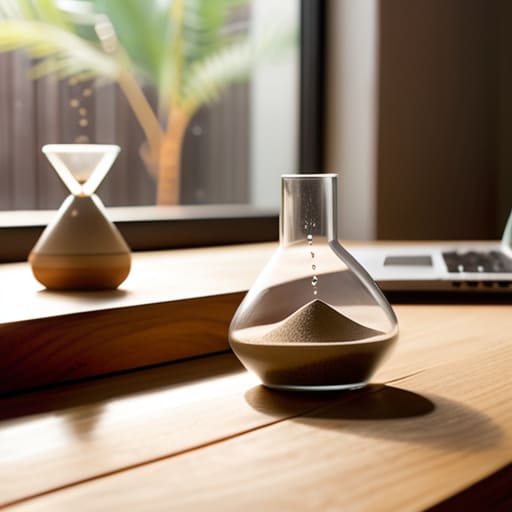
Now, here’s where most people trip up: they treat the standard 25-minute timer like it’s some kind of sacred, unchangeable law. In my experience managing operations, I’ve realized that a rigid schedule is often the quickest way to kill your momentum. If you’re in the middle of a complex spreadsheet or a deep-focus task, that aggressive alarm going off after twenty-five minutes can feel less like a break and more like an interruption. Instead of sticking to the textbook, I recommend experimenting with different pomodoro timer intervals to see what actually fits your brain’s natural ebb and flow.
If you find that 25 minutes is too short to get into a groove, try the “50/10 rule”—fifty minutes of work followed by a ten-minute reset. This aligns much better with deep work principles, allowing you to actually sink your teeth into a project without constant interruption. The goal isn’t to follow a timer blindly; it’s about preventing mental fatigue before it sets in. Whether you need short bursts or longer stretches, the best rhythm is the one that keeps you productive without leaving you feeling completely drained by 3:00 PM.
How to actually make this work without losing your mind
- Stop treating the timer like a drill sergeant. If you’re in a deep flow state when the bell rings, finish your thought before you step away. The goal is focus, not mindless obedience to a kitchen timer.
- Get away from your screen during the breaks. If you spend your five-minute rest scrolling through LinkedIn or checking emails, your brain isn’t actually resting—it’s just switching types of stress. Go grab water or stretch instead.
- Prep your “distraction list” before you start. When that random urge hits to Google whether penguins have knees, write it down on your physical planner and tell yourself you’ll look it up during the long break. It keeps the momentum going.
- Match your intervals to the task, not just the clock. If you’re doing mindless admin work, the standard 25/5 split is fine. But if you’re tackling a heavy project report, try 50 minutes of work and a 10-minute break. One size does not fit all.
- Forgive yourself when the schedule falls apart. Some days, meetings run over or a crisis hits the operations desk. Don’t scrap the whole day just because you missed a cycle; just reset and start the next interval when you can.
Cutting Through the Noise
At the end of the day, the Pomodoro Technique isn’t about turning yourself into a productivity robot or checking off a hundred tasks before lunch. It’s really just about protecting your focus from the constant ping of notifications and the urge to multitask until your brain feels like mush. We’ve looked at how adjusting your intervals can fit your specific energy levels and how these small, timed sprints can actually stop the burnout before it starts. Whether you’re tackling a massive project at work or just trying to get through a mountain of life admin, the goal is to work with your brain, not against it.
If you’re feeling overwhelmed by all the “hustle harder” advice out there, please take this as your permission to slow down. You don’t need a revolutionary new system to be successful; you just need a few manageable habits that actually stick when life gets messy. Start small—maybe just two sessions tomorrow morning—and see how it feels. Real progress isn’t about being perfect every single day; it’s about showing up in a way that is sustainable for the long haul. You’ve got this, one timer at a time.
Frequently Asked Questions
What do I actually do during those five-minute breaks so I don't just end up scrolling on my phone?
The phone is the ultimate productivity trap. If you pick it up, you aren’t “resting”; you’re just overstimulating your brain. Instead, treat those five minutes like a physical reset. Get up, stretch, refill your water, or stare out the window—seriously, just look at something that isn’t a screen. I usually use mine to check my physical planner or prep a quick snack. The goal is to let your brain breathe, not to feed it more noise.
Is it worth sticking to the strict timer if I'm finally in a deep flow state?
Honestly? If you’re in the zone, ignore the timer. I’ve spent way too many years trying to be a slave to a little red clock, only to have it snap me out of my best work right when things were getting good. The Pomodoro Technique is a tool to get you started, not a cage to keep you trapped. If the flow is real, ride it. Just make sure you actually take a break once you finally land.
How do I make this work in a loud office or a house full of distractions?
Look, I’ve been there—trying to hit a deep-work sprint while a coworker is loudly debating lunch options or the neighbor is mowing the lawn. My go-to? Noise-canceling headphones and a specific “focus” playlist. If you can’t block the noise, try “micro-pomodoros.” Instead of the usual 25 minutes, aim for 10. It’s much easier to stay disciplined when you know the chaos will only last a few minutes. Don’t fight the environment; just shrink the goal.