








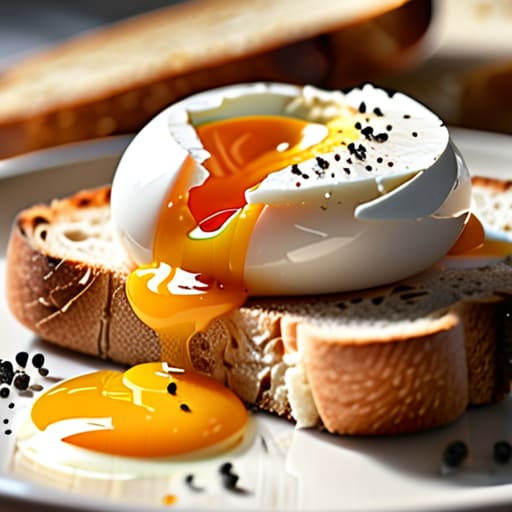
I am so tired of seeing those “aesthetic” breakfast tutorials where people spend forty minutes plating a single poached egg with microgreens and gold leaf. Let’s be real: most of us are just trying to fuel up before a chaotic morning meeting without making a massive mess of the kitchen. If you’re searching for how to cook eggs because you want a gourmet culinary experience that requires a sous-chef, you’re in the wrong place. I’m looking for the low-maintenance wins—the kind of breakfast that actually fits into a busy Tuesday.
I’m not here to give you a lecture on French techniques or expensive kitchen gadgets you’ll never use. Instead, I’m going to share the reliable, repeatable methods I’ve perfected over years of balancing a corporate career and a hectic schedule. We’re going to focus on the basics that actually work, from the perfect scramble to a foolproof hard-boiled egg, so you can master a high-protein meal in minutes, not hours. No fluff, no fancy plating—just honest advice for real life.
Table of Contents
The Best Pan for Eggs and Essential Temperature Control
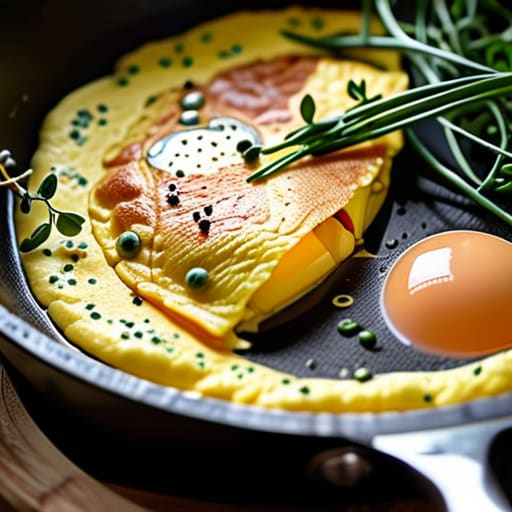
Look, you don’t need a professional-grade copper set to get this right, but your choice of gear matters more than the internet lets on. If you’re still using that scratched-up non-stick pan from college, it might be time for an upgrade. For me, the best pan for eggs is a high-quality, heavy-bottomed non-stick skillet or a well-seasoned carbon steel pan. You want something that distributes heat evenly so you aren’t dealing with one side of your omelet being burnt while the other is still liquid.
The real secret, though, isn’t the pan—it’s the heat. Most people blast the burner on high, thinking it’ll speed things up, but that just leads to rubbery, unappealing results. Understanding basic egg cooking temperatures is the difference between a gourmet breakfast and something that feels like chewing on a sponge. I always start on medium-low; you want the butter to foam gently, not brown instantly. If the pan is too hot, the proteins tighten up too fast, and you lose that creamy, tender consistency we’re all actually looking for.
Scrambled Egg Texture Tips for Your Morning Routine
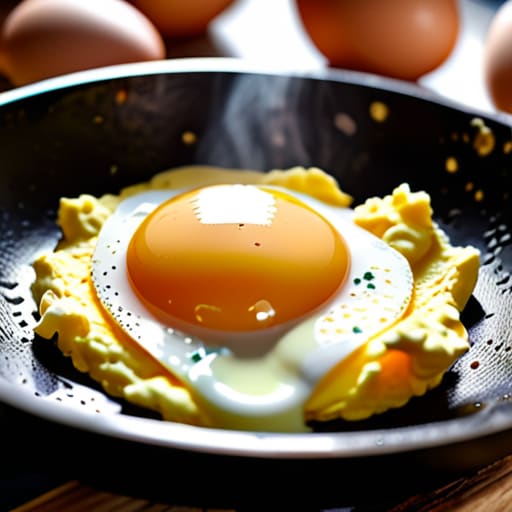
Look, we’ve all had those mornings where we end up with something that looks more like rubbery yellow sponges than actual breakfast. If you’re chasing that soft, pillowy consistency you see in cafes, you have to respect the egg protein science happening in your pan. When eggs get too much direct heat for too long, those proteins tighten up and squeeze out all the moisture, leaving you with a dry mess. My rule of thumb? Keep the heat low and move the pan constantly. You want to pull them off the heat while they still look slightly underdone; the residual heat will finish the job on your plate.
Another thing that makes a massive difference is how you incorporate fat. I’ve found that whisking a tiny bit of cold butter or even a splash of heavy cream directly into the raw eggs creates a much more luxurious mouthfeel. It’s one of those simple scrambled egg texture tips that sounds a bit extra, but it genuinely changes the game. Forget the high-pressure “chef” methods; just focus on slow heat and constant motion to keep things creamy and consistent every single morning.
Five small habits for eggs that don't taste like a mistake
- Stop using high heat because you’re in a rush. I used to think more heat meant faster breakfast, but all it did was give me rubbery, sulfurous eggs. Keep it medium-low; patience is the secret ingredient to a creamy texture.
- Salt your eggs at the very end. If you salt them too early while they’re still in the pan, it can actually change the texture and make them a bit watery. Wait until they’re plated to add that final seasoning.
- Keep a knob of real butter on hand. I know there’s a lot of talk about healthy fats, but if you want that rich, cafe-style flavor without spending twenty dollars on brunch, a little bit of butter is a non-negotiable.
- Don’t forget the “residual heat” rule. Take your eggs off the stove when they look just a tiny bit wetter than you actually want them. By the time they hit your plate, the heat from the pan will finish them off perfectly.
- Use fresh eggs whenever your budget allows. It’s one of those small, repeatable ways to level up your food. The whites hold their shape better, which means your fried or poached eggs won’t turn into a messy puddle on your toast.
Real Life, Real Eggs
At the end of the day, mastering your morning breakfast isn’t about achieving culinary perfection or owning a set of professional-grade copper pans. It’s really just about the basics: having a decent non-stick surface, keeping your heat under control so you don’t end up with rubbery bits, and knowing exactly how much moisture you want in your scramble. Once you nail these small, repeatable mechanics, you stop viewing breakfast as another chore on your to-do list and start seeing it as a reliable, low-stress win that sets the tone for your entire morning.
I know how it feels when your schedule is exploding and your brain is already running through a dozen different work problems before you’ve even had coffee. In those moments, don’t feel pressured to whip up some elaborate, Instagram-worthy brunch. Just focus on the small, functional wins. Making a decent plate of eggs is a way to reclaim a few minutes of peace and fuel yourself properly without the unnecessary complexity. It’s not about the recipe; it’s about building habits that actually work for your real, busy life.
Frequently Asked Questions
How do I stop my eggs from tasting like whatever I cooked in the pan yesterday?
Honestly, that’s the worst—nothing ruins a morning like an unexpected hint of last night’s garlic shrimp in your breakfast. It usually means there’s a microscopic layer of burnt-on oil or residue clinging to the surface. Don’t just rinse it; give the pan a quick scrub with hot water and a bit of soap, or better yet, wipe it down with a paper towel and a drop of oil before your next use. Clean pan, clean flavor.
Is there a way to make these actually filling so I'm not reaching for a snack by 10 AM?
The “10 AM snack attack” is real, especially when you’re staring down a long morning of meetings. If you’re just eating plain eggs, you’re missing the fuel. To make them actually stick to your ribs, you need to add fiber or healthy fats. I usually throw in some sliced avocado or a handful of sautéed spinach. If you have an extra two minutes, some black beans or a side of whole-grain toast will keep you full until lunch.
What’s the most efficient way to prep eggs if I’m running late for work?
When the snooze button wins and you’re staring down the clock, forget the gourmet scramble. Go for soft-boiled eggs. You can boil them the night before, keep them in the fridge, and just peel and eat them while you’re grabbing your bag. If you’re cooking fresh, stick to a quick microwave scramble in a mug. It’s not exactly “culinary art,” but it’s fast, high-protein, and keeps you from skipping breakfast entirely.