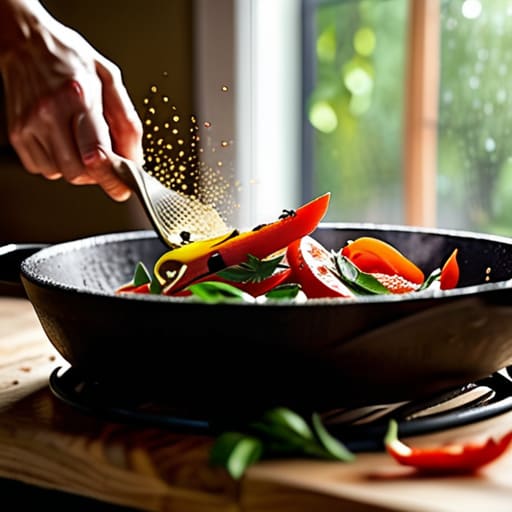








I used to think that mastering how to season food meant buying every artisanal, small-batch spice blend that popped up on my Instagram feed. I’d spend forty dollars on a “truffle-infused Himalayan salt” just to realize my dinner still tasted remarkably… fine. It’s the same trap we fall into with productivity hacks and career advice: we think we need the most expensive, complicated tools to get results, when really, we’re just adding unnecessary noise to the process.
I’m not here to sell you a lifestyle or a pantry full of overpriced dust. Instead, I want to show you the actual, repeatable mechanics of flavor that I’ve learned from years of trial, error, and a very messy hobby of fermenting my own hot sauces. We are going to focus on the fundamental building blocks—the salt, the acid, and the heat—that turn a mediocre meal into something worth eating. No magic bullets, no culinary degrees required; just the practical habits that actually make your cooking taste better every single time you step into the kitchen.
Table of Contents
The Difference Between Seasoning and Spicing for Real Results
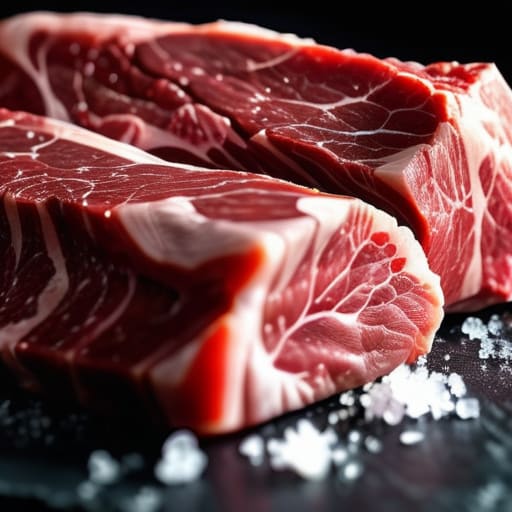
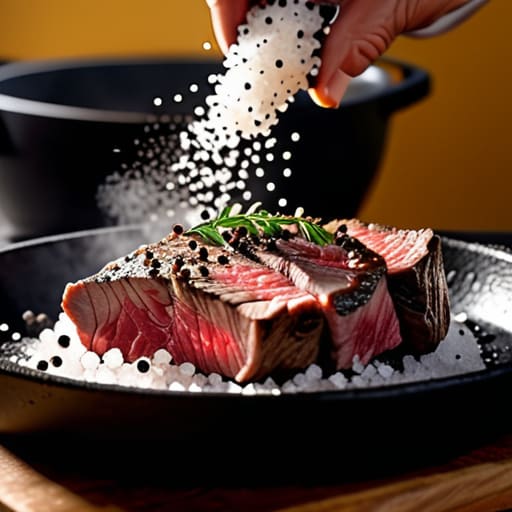
I used to get these two terms mixed up all the time, thinking they were interchangeable, but there is a massive functional difference between seasoning and spicing that changes everything. Think of seasoning as the foundation—it’s about enhancing natural flavors so the food actually tastes like itself. When I’m figuring out how to season meat before cooking, I’m primarily looking at salt. Salt doesn’t add a “flavor” in the traditional sense; it just acts like a volume knob for whatever ingredient is already on the plate.
Spicing, on the other hand, is where you start adding new personality to the dish. If seasoning is the foundation, spices are the interior design. You use your essential spice cabinet staples—like cumin, smoked paprika, or dried oregano—to shift the profile of a meal from “standard chicken” to “Mediterranean-inspired.” The real magic happens when you stop treating them as separate chores and start layering flavors in cooking. It’s about finding that sweet spot of balancing salt, acid, and fat so that nothing feels one-dimensional or heavy.
Essential Spice Cabinet Staples That Actually Earn Their Keep
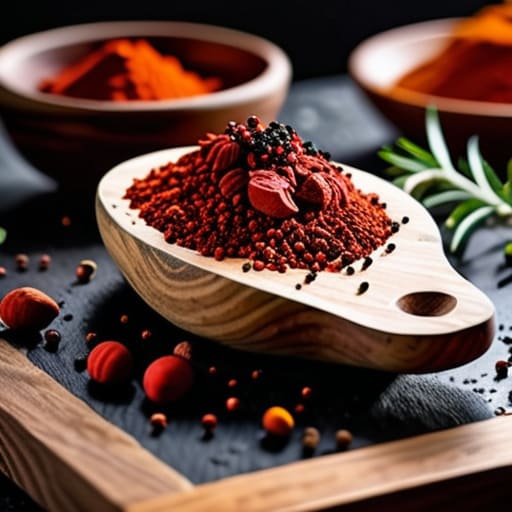
Look, I’m not a fan of the “buy every single spice in the aisle” approach. It’s expensive, it clutters your pantry, and half of it just sits there gathering dust until it loses its soul. If you want to master layering flavors in cooking without breaking the bank, you really only need a handful of heavy hitters. Start with high-quality kosher salt and a few peppercorns; they are the foundation of everything. Then, grab some smoked paprika, cumin, and dried oregano. These aren’t just extras; they are the workhorses that turn a boring Tuesday night chicken breast into something worth eating.
The secret isn’t having fifty jars; it’s knowing how to use these few to achieve that perfect balance of salt, acid, and fat. When I’m experimenting with a new batch of hot sauce, I rely on these staples to build a base before I even think about adding the heat. If you have these essentials, you can tackle almost any recipe. You don’t need a gourmet pantry to start enhancing natural flavors—you just need the right tools that actually earn their keep.
My non-negotiable rules for making food actually taste like something
- Salt early and often. I know, it sounds basic, but most people wait until the food is already on the plate to season it. If you’re searing chicken or sautéing onions, add your salt at the beginning. It allows the seasoning to penetrate the ingredient rather than just sitting on the surface like a dusty layer of grit.
- Don’t fear the acid. If you’ve tasted your dish and it feels “flat” even though you’ve added enough salt, you don’t need more salt—you need acid. A squeeze of fresh lemon juice or a tiny splash of apple cider vinegar acts like a volume knob for flavor. It brightens everything up without making it taste heavy.
- Taste as you go, not just at the end. This is a habit I picked up back when I was working frantic shifts in retail—you can’t fix a problem once the customer (or in this case, the guest) has already walked away. Keep a clean spoon handy and taste your sauce or your grains at every stage so you can adjust the balance before it’s too late.
- Use fresh herbs for the finish, dried for the foundation. I used to waste so much money on expensive fresh basil only to let it turn into black sludge in my fridge. The trick is to use your dried spices like oregano or thyme during the cooking process to build depth, and save the fresh stuff for the very last second to provide that bright, aromatic pop.
- Stop relying on pre-mixed seasoning blends. Most of those “all-purpose” jars are just salt and cheap fillers. They’re fine when you’re running on three hours of sleep and a deadline, but if you want real flavor, build your own ratios. It takes an extra thirty seconds, but you’ll stop eating food that tastes like a salt lick.
Stop Overthinking the Spice Rack
At the end of the day, seasoning isn’t about having a kitchen that looks like a professional chef’s pantry or owning every single spice blend under the sun. It’s really just about understanding that salt and acid are your best friends, and knowing when to reach for a basic staple versus a heavy spice. You don’t need a complicated system to make a meal taste good; you just need to stop treating seasoning like a chore and start treating it like a tool. If you focus on the basics—building those layers of flavor and tasting as you go—you’ll find that you don’t actually need those expensive, pre-mixed rubs to make a Tuesday night dinner feel special.
I know how it feels to stare at a pantry full of ingredients and feel like you’re failing because your food doesn’t taste like a five-star restaurant. But please, give yourself some grace. Cooking is a skill that improves through small, repetitive wins, not through instant perfection. Start small, keep your essential staples within reach, and don’t be afraid to mess up a batch once in a while. Real, delicious food comes from intuition and practice, not from following a rigid set of rules. Just grab your salt, trust your palate, and get cooking.
Frequently Asked Questions
How do I know if I've added too much salt without ruining the whole meal?
We’ve all been there—you take a bite and suddenly it’s a salt lick. If it’s just slightly off, try adding an acid like lemon juice or vinegar; it helps cut through that heavy saltiness. If you’ve really overdone it, you can try adding a bit of starch, like a potato, to soak some up, or just bulk out the dish with more unsalted ingredients. Honestly, though? Sometimes you just have to pivot and call it a “deconstructed” meal.
Is there a specific order I should follow when adding spices so they don't burn or get lost?
Think of it like layering a business workflow: timing is everything. If you toss dried herbs into a hot pan at the start, they’ll burn and taste like bitter ash. Start with your “hard” spices—like cumin or coriander—in the oil to bloom their flavor. Save the delicate stuff, like dried basil or parsley, for the very end. And please, always add your salt early; it’s a seasoning, not a garnish, and it needs time to work its magic.
Can I use these same seasoning rules for quick weeknight dinners, or is this more for slow-cooked stuff?
Honestly, I’d argue these rules are even more important for those frantic Tuesday nights. When you’re throwing together a quick pasta or a pan-seared chicken because you’re exhausted, you don’t have the luxury of a slow braise to develop flavor. That’s when the salt and acid work their magic. Think of it as a shortcut to making a 15-minute meal taste like you actually put effort into it.