






I used to think that if I wanted to actually enjoy a healthy lunch, I had to spend forty minutes chopping organic microgreens and thirty dollars on a jar of artisanal tahini dressing that tasted like expensive dirt. I’d stare at a sad, wilted pile of iceberg lettuce and wonder why everyone on my feed made eating greens look so effortless and aesthetic. The truth is, most “gourmet” salad advice is just unnecessary complexity designed to make you feel like you’re failing at adulthood. If you’re tired of chewing on sad, flavorless leaves and are looking for real ways on how to make salad interesting without needing a culinary degree, I get it.
I’m not here to give you a list of twenty superfoods you’ll never use. Instead, I’m sharing the small, repeatable habits I’ve learned through years of meal-prepping in a tiny kitchen and trying to stay fueled during back-to-back meetings. We’re going to focus on the simple science of texture and flavor—the kind of practical, no-nonsense shifts that turn a boring bowl of lettuce into something you actually look forward to eating.
Table of Contents
Mastering Flavor Balancing in Salads Without Magic Bullets
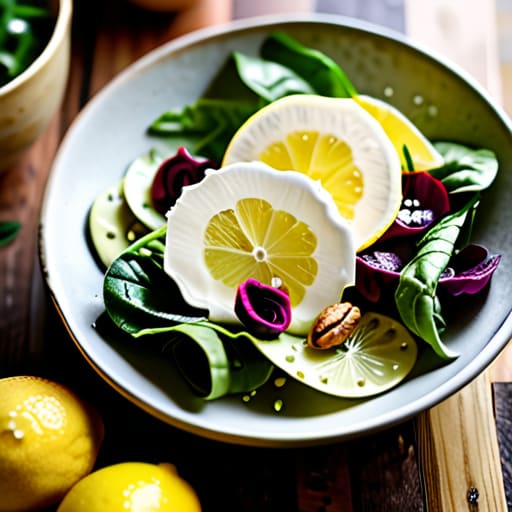
Look, you don’t need a Michelin star to fix a sad lunch. Most people fail at salads because they treat them like a chore—just a pile of leaves they’re forcing themselves to eat. The secret to flavor balancing in salads isn’t about complex recipes; it’s about the basic chemistry of taste. If your bowl tastes flat, it’s likely missing an acid to cut through the fat or a pinch of salt to wake everything up. I’ve learned through a lot of trial and error (and a few very bland lunches) that a squeeze of lemon or a dash of apple cider vinegar is often more important than the greens themselves.
Once you nail the acidity, you have to address the mouthfeel. This is where adding texture to salads becomes your best friend. A salad without contrast is just mush. I always aim for a “crunch-to-soft” ratio. If you have soft goat cheese or avocado, you need something loud, like toasted sunflower seeds or even those spicy crushed chips you’d usually avoid. It’s about creating a little bit of excitement in every bite so you aren’t just chewing on wet grass.
Nutritious Salad Ingredients That Actually Taste Good
Look, we’ve all been there: staring at a bowl of limp spinach and some sad, pre-sliced cucumbers, wondering why we even bother eating healthy. The problem isn’t the greens; it’s that your ingredients are playing it too safe. If you want to stop treating lunch like a chore, you need to focus on nutritious salad ingredients that actually have some personality. Instead of just lettuce, try a base of shredded kale or crunchy radicchio. I’ve found that mixing a soft leafy green with something hearty keeps the bowl from turning into a soggy mess by lunchtime.
The real secret to staying satisfied is adding texture to salads so you aren’t just chewing on water. I’m talking about roasted chickpeas for a bit of crunch, creamy avocado to hit those satiety cues, or even some toasted sunflower seeds. If you’re into creative salad meal prep, try roasting a batch of sweet potatoes or beets on Sunday. They add a much-needed earthy sweetness and a substantial feel that makes a salad feel like an actual meal rather than a side dish you’re forced to finish.
Five Low-Effort Upgrades to Stop the Salad Slump
- Stop relying on bottled dressings that taste like salt and chemicals; mix up a quick vinaigrette with olive oil, an acid (like lemon or apple cider vinegar), and a pinch of Dijon mustard. It takes thirty seconds and changes everything.
- Texture is non-negotiable. If your salad is just soft leaves, you’re going to get bored by the third bite. Throw in something crunchy like toasted sunflower seeds, some sliced radishes, or even those leftover croutons from a weekend meal.
- Don’t fear the “fun” ingredients. A salad doesn’t have to be a pile of kale to be healthy. Adding a bit of feta cheese, some dried cranberries, or even a few slices of avocado makes it feel like an actual meal rather than a chore.
- Use your leftovers as a secret weapon. That half-roasted sweet potato or the leftover grilled chicken from Tuesday night isn’t just food; it’s a high-value salad topper that adds substance and saves you from prep fatigue.
- Season your greens directly. Most people forget that lettuce is a vegetable and needs seasoning just like anything else. A tiny pinch of salt and cracked black pepper directly on the leaves before you add the dressing makes the flavors pop in a way that feels intentional.
Stop Settling for Sad Salads
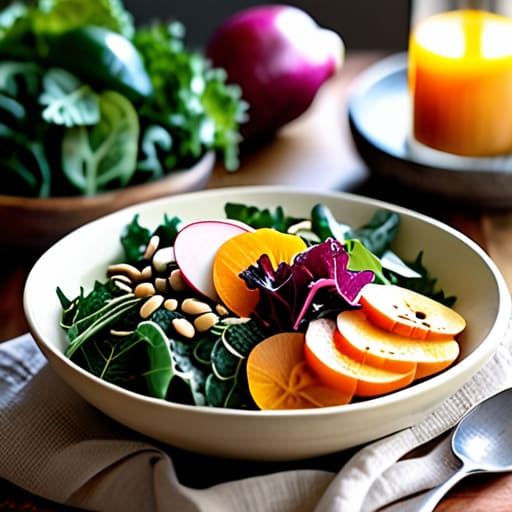
At the end of the day, making a salad interesting isn’t about buying expensive, niche superfoods that sit in your fridge until they turn into a science project. It’s really just about the mechanics: getting that balance of crunch, cream, and acid right, and choosing ingredients that actually satisfy your hunger. You don’t need a culinary degree or a thirty-minute prep window to make this work. Just focus on building layers of texture and being intentional with your dressings. Once you stop treating greens like a chore and start treating them like a canvas, you’ll realize that good food doesn’t have to be complicated to be deeply satisfying.
I know how it goes—some days you’re too drained from a long shift to care about “flavor profiles,” and you just want to eat something before you pass out on the couch. That’s fine. But I challenge you to pick just one small thing to change this week. Maybe it’s adding a handful of toasted seeds or finally making a quick vinaigrette instead of reaching for that bottled stuff. Life is too short for boring, wilted bowls of lettuce. Aim for small, repeatable wins in your kitchen, and I promise your lunch hour will start feeling a lot more like a reward and a lot less like a compromise.
Frequently Asked Questions
I love the idea of adding texture, but how do I keep my greens from getting soggy if I'm prepping my lunch the night before?
The “soggy salad struggle” is real, especially when you’re trying to be efficient with meal prep. My golden rule? Use the jar method. Put your dressing at the very bottom, then add your heavy, hearty stuff like chickpeas or cucumbers, and keep those delicate greens at the very top. They won’t even know the dressing is there until you shake it all up at lunch. It’s a tiny habit that saves your sanity.
Are there any affordable, pantry-stable toppings I can use so I'm not constantly buying expensive specialty ingredients?
Look, I get it. If you’re buying a new bag of organic microgreens every time you want a salad, your grocery bill is going to look like a horror movie. Stick to the basics. Keep a jar of sunflower seeds or pepitas for crunch, some dried cranberries or raisins for sweetness, and a bottle of decent balsamic or tahini in the pantry. These are cheap, they don’t spoil in three days, and they do the heavy lifting for you.
I struggle with getting bored of the same flavors—how can I switch up my dressings without having to make a whole new batch from scratch every time?
Look, I don’t have the bandwidth for a culinary science project every Tuesday night. The trick is to keep a “base” dressing—just good olive oil, apple cider vinegar, and a pinch of salt—in a jar in the fridge. To switch it up, just add one single variable: a teaspoon of miso for umami, a squeeze of lime for brightness, or some Dijon for a kick. It takes ten seconds, but it completely changes the vibe.