








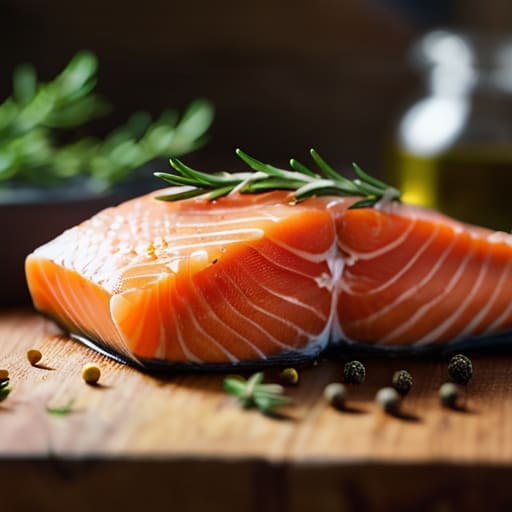
I used to think that learning how to cook fish required a culinary degree, a $200 copper pan, and a level of zen I simply didn’t possess after a ten-hour workday. I’d see those polished food influencers making it look effortless, only to end up with a piece of salmon that was somehow both burnt on the outside and raw in the middle. It felt like a massive waste of money every time I tried to follow a recipe that demanded “pan-searing at a precise temperature” or some other high-stress nonsense that doesn’t account for a busy Tuesday night.
I’m not here to sell you on expensive gadgets or complicated techniques that belong in a Michelin-star kitchen. Instead, I want to show you the practical, repeatable methods that actually work when you’re tired and just want a decent meal. We’re going to strip away the pretension and focus on a few reliable habits that will help you master how to cook fish without the stress or the cleanup nightmare. Consider this your no-nonsense guide to getting it right every single time, using nothing more than what you already have in your kitchen.
Table of Contents
Choosing the Best Fish for Beginners Without Breaking the Bank
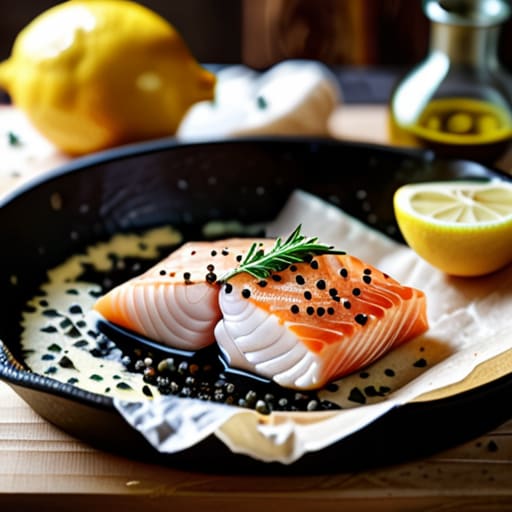
Look, I get it. You walk into the seafood counter, see the price tags, and immediately feel like you need a second mortgage just to get through dinner. But you don’t need to be buying expensive wild-caught salmon every Tuesday to eat well. When I’m looking for the best fish for beginners, I tend to gravitate toward more forgiving, budget-friendly options like tilapia, cod, or even canned sardines if I’m feeling particularly frugal. These are much harder to mess up than something delicate like sea bass, which is basically a recipe for a kitchen meltdown if you aren’t careful.
When you’re browsing the different types of fish fillets, my rule of thumb is to look for something with a bit of structure. If it’s too flaky right out of the package, it’s going to fall apart the second it hits the heat. I usually stick to frozen fillets for my midweek meals; they’re significantly cheaper, and honestly, as long as you thaw them properly, you won’t even notice the difference. It’s all about working smarter, not harder with your grocery budget.
Simple Ways of How to Season Seafood for Real Flavor
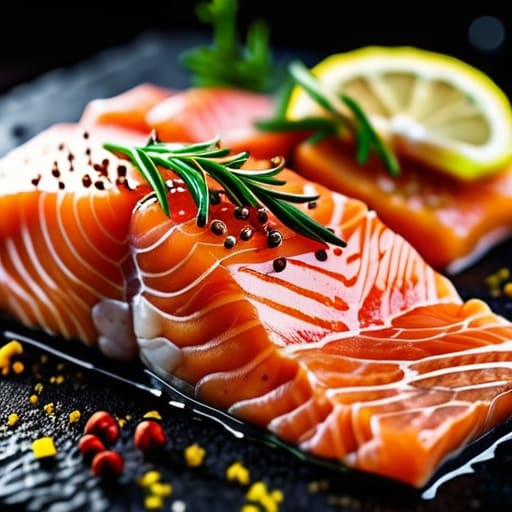
Look, I’m not about to tell you that you need a pantry full of rare, expensive spices to make this work. If you’re still stuck in the “just salt and pepper” phase, I get it—it’s safe. But if you want to actually enjoy your dinner, you need to learn how to season seafood in a way that builds layers without masking the delicate flavor of the fish itself. My go-to is a simple rub of lemon zest, garlic powder, and a pinch of smoked paprika. It’s low effort, high reward, and doesn’t require a culinary degree.
The real trick, though, is timing. I always recommend patting your fillets bone-dry with a paper towel before any seasoning hits the surface. Moisture is the enemy of flavor; if the fish is wet, it’s going to steam instead of sear, and you’ll end up with a texture that’s more “boiled” than “brushed by the sea.” Once you nail that dry surface, the spices actually stick to the protein rather than sliding off into the oil. It’s a tiny habit, but it makes a massive difference in the final result.
5 Low-Stress Rules for Not Ruining Your Dinner
- Pat your fish bone-dry with paper towels before it hits the pan. If the surface is wet, it’s going to steam instead of sear, and you’ll end up with that sad, grey, mushy texture that makes me want to order takeout instead.
- Stop poking it every thirty seconds. Once the fish is in the pan, leave it alone. If you keep lifting the lid or flipping the fillet, you’re just driving out the heat and losing that crispy skin we’re actually aiming for.
- Use a meat thermometer if you’re feeling anxious, but don’t overcook it. Fish goes from “perfectly flaky” to “rubbery pencil eraser” in about sixty seconds. I usually pull mine off the heat just a tiny bit before it looks finished, because carryover cooking will do the rest of the work.
- Don’t be afraid of high heat and a little fat. Whether it’s olive oil or a knob of butter, you need enough fat in the pan to create a barrier and facilitate that golden-brown crust. It’s not about being “diet-conscious” in this moment; it’s about flavor and texture.
- Learn the “flake test.” Instead of guessing, take a fork and gently press down on the thickest part of the fillet. If it separates easily along the natural lines, it’s done. If it feels bouncy or resistant, give it another minute.
Stop Overthinking the Pan: Your New Seafood Strategy
At the end of the day, cooking fish doesn’t require a culinary degree or a massive grocery budget. We’ve covered how to pick out decent, affordable fillets that won’t leave your wallet crying, and we’ve stripped away the complicated spice blends in favor of simple, high-impact seasoning. Remember, the goal isn’t to recreate a five-star Michelin dish every Tuesday night; it’s about mastering the basic mechanics so you can feed yourself something nutritious and delicious without the stress. If you can handle a basic pan and a bit of salt, you’re already halfway there.
I know that staring down a piece of raw seafood can feel a little intimidating when you’re used to the “safe” routine of chicken or pasta. But I promise you, the first time you pull a perfectly flaky fillet out of the pan, that little win is going to feel incredible. Don’t let the fear of a “ruined” dinner stop you from trying. Just keep it simple, watch your heat, and trust the process. Cooking is just another series of small, repeatable habits, and once you get this one down, you’ll realize that real life flavor is much more accessible than the internet makes it seem.
Frequently Asked Questions
How do I actually tell if the fish is cooked through without cutting it open and losing all those juices?
Look, I get it. I’ve definitely ruined a decent piece of salmon by hacking it open mid-cook just to check, only to watch all the flavor drain onto the pan. Instead, try the “flake test.” Take a fork and gently press the thickest part of the fillet. If it separates easily along the natural lines (the flakes), it’s done. If it feels bouncy or rubbery, give it another two minutes. Simple, no mess, no wasted juices.
Is it worth getting a meat thermometer, or am I just adding more clutter to my kitchen drawer?
Look, I’m a big believer in minimalism, and the last thing I want is another gadget gathering dust next to my fermentation jars. But honestly? Get the thermometer. If you’re cooking fish, the margin for error is tiny—one minute too long and you’re eating expensive rubber. A digital instant-read thermometer takes up almost zero space and saves you from the “is it done yet?” anxiety. It’s a small investment that actually prevents wasted money.
What’s the best way to get that crispy skin without it sticking to the pan and turning into a mess?
The “skin-sticking” struggle is real, and honestly, it’s usually a patience problem. Here’s the trick: pat that skin bone-dry with paper towels first. Moisture is the enemy of crispiness. Get your pan hot, add oil with a high smoke point, and lay the fish in—skin side down—pressing it gently with a spatula for about 30 seconds so it doesn’t curl. Then, leave it alone. Don’t poke it. Once it naturally releases, you’re golden.