










I used to think that achieving “balance” meant waking up at 4:00 AM for a silent yoga session and journaling my intentions before the sun came up. Honestly? That kind of performative wellness stuff just felt like another item on my to-do list. I spent years chasing these polished, Instagram-perfect versions of productivity, only to end up staring at my laptop screen at 9:00 PM with a cold cup of coffee and a mounting sense of dread. Most of the work life balance tips you see floating around the internet are either way too expensive or involve a level of discipline that just isn’t realistic when you’re actually managing a career and a real life.
I’m not here to sell you on a lifestyle overhaul or a magic ritual. Instead, I want to share the small, slightly unglamorous, but actually effective habits I’ve used to keep my head above water as an operations manager. We’re going to skip the fluff and focus on practical, repeatable strategies that help you reclaim your time without feeling like you’re failing at your job. This is about sustainable boundaries, not perfection.
Table of Contents
Setting Professional Boundaries Without Feeling the Guilt
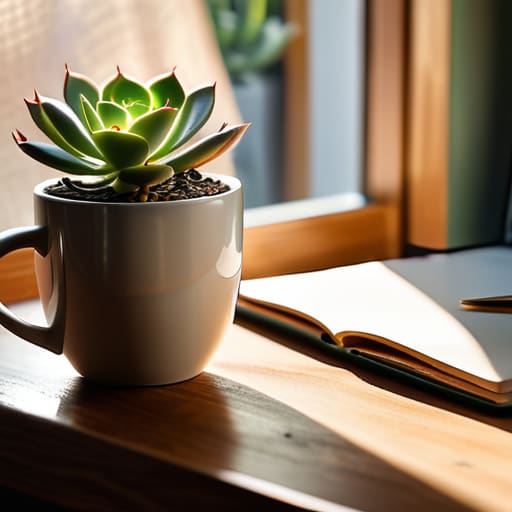
Here is the part about setting boundaries:
The hardest part isn’t actually saying “no”—it’s dealing with that nagging voice in your head that tells you you’re being lazy or unprofessional. I used to be the person who replied to Slack messages at 9 PM because I thought it made me look dedicated. In reality, it just taught my team that I was always available, which is a one-way ticket to signs of occupational burnout. You aren’t a superhero; you’re a person with a finite amount of energy.
To fix this, you have to treat your personal time with the same respect you give a client meeting. I started by being very explicit about my “off” hours. Instead of just disappearing, I’ll tell my team, “I’m heading offline for the evening, but I’ll jump on this first thing tomorrow.” It’s a small shift in communication, but it’s one of those effective time management strategies that actually works. You aren’t failing at your job by having a life; you’re actually protecting your ability to do good work in the long run.
Remote Work Productivity Hacks for the Real World

If you’re like me, your “home office” is probably just a corner of your dining table or a laptop perched on a pile of books. The biggest trap with working from home isn’t the distractions—it’s the lack of a physical “off” switch. I used to find myself answering emails at 9 PM just because my laptop was right there. To combat this, I’ve leaned heavily on specific remote work productivity hacks that aren’t about doing more, but about doing things differently. One thing that actually works is the “commute ritual.” Even if it’s just a ten-minute walk around the block or making a fresh pot of coffee, you need a mental bridge between your living room and your workspace.
I also stopped trying to use those aggressive, high-pressure time management strategies that tell you to schedule every single minute of your day. That’s a one-way ticket to feeling like a failure by noon. Instead, I use a simple “Top 3” rule in my physical planner: pick three meaningful tasks, and once they’re done, you’ve officially won the day. This keeps the momentum going without the constant dread of an endless to-do list.
The small, non-glamorous habits that actually keep me sane
- Stop treating your lunch break like an optional side quest. I used to eat a sandwich over my keyboard while answering Slack messages, but it just left me feeling sluggish and resentful by 3 PM. Even if it’s just fifteen minutes of sitting away from a screen, your brain needs that hard reset.
- Build a “shutdown ritual” to signal to your brain that the workday is officially over. For me, it’s closing all my browser tabs and physically writing my top three priorities for tomorrow in my paper planner. Once that book is closed, the mental “office” is closed too.
- Audit your notifications like your sanity depends on it—because it does. You don’t need a buzz in your pocket every time a random person comments on a LinkedIn post or an email hits your inbox at 8 PM. Turn off everything that isn’t urgent and reclaim your focus.
- Learn to embrace the “good enough” philosophy for low-stakes tasks. Not every internal memo needs to be a masterpiece, and not every spreadsheet needs to be color-coded to perfection. Save your high-octane energy for the stuff that actually moves the needle, and let the rest be decent.
- Schedule your downtime with the same intensity you schedule your meetings. If it’s in the calendar—whether it’s a gym session, a walk, or just an hour of doing absolutely nothing—treat it as a non-negotiable appointment. You wouldn’t blow off a meeting with your boss; don’t blow off your own recovery time.
Finding Your Own Rhythm
At the end of the day, reclaiming your life isn’t about some grand, sweeping overhaul of your entire existence. It’s about the small, often unglamorous choices we make every single afternoon—like actually closing your laptop at a reasonable hour or setting a digital boundary that keeps your workspace from bleeding into your living room. We’ve talked about setting boundaries without the crushing guilt and finding ways to stay productive while working remotely without losing your mind. These aren’t just “hacks”; they are the foundational habits that keep you from burning out before the week is even halfway through. It’s about being intentional with your energy rather than just being busy for the sake of looking busy.
I know it’s tempting to wait for a perfect moment when everything feels balanced and calm, but let me let you in on a little secret: that moment isn’t coming. Life is messy, work is demanding, and sometimes your “balance” is going to feel more like a controlled stumble. That’s okay. Don’t aim for perfection; just aim for consistency. If you can manage one small win today—even if it’s just taking ten minutes to sit in silence with a cup of tea—you’re already doing better than most. Focus on the small, repeatable steps that actually work for your real, uncurated life, and let the rest of the noise fade into the background.
Frequently Asked Questions
How do I actually tell my boss I'm logging off without looking like I'm not a "team player"?
The trick is to frame it around your output, not your exit. Instead of saying, “I’m leaving now,” try, “I’ve hit my targets for today, so I’m signing off to recharge. I’ll jump back on [specific task] first thing tomorrow morning.” It shifts the focus from you “quitting” for the day to you managing your energy so you can actually perform well when you’re back. It’s professional, proactive, and much harder to argue with.
Is it even possible to maintain these boundaries when you're working in a high-pressure or client-facing role?
Look, I get it. When you’re in a high-stakes role where clients expect instant replies, “turning off notifications” sounds like a fantasy. It’s not about disappearing; it’s about managing expectations. Instead of being available 24/7, try setting clear communication windows. I tell my stakeholders, “I’ll dive into this first thing tomorrow morning,” rather than letting them dictate my evening. It’s about being reliable, not being a slave to the ping.
What do I do when my coworkers keep messaging me on Slack or WhatsApp after hours?
Honestly, it’s exhausting. If you don’t set the precedent now, you’re basically teaching them that you’re always “on.” I started by setting my Slack status to “Away” and literally turning off WhatsApp notifications after 6 PM. If it’s a true emergency, they can call, but 99% of the time, it can wait until morning. Protect your peace; your brain needs the downtime to actually function tomorrow.