







I’ve spent way too much time scrolling through those aesthetic “meal prep Sunday” videos where people spend four hours meticulously arranging rainbow-colored cubes of sweet potato into glass containers that cost more than my actual groceries. Honestly, it’s exhausting. If I see one more person suggest that you need a dozen specialized gadgets and a pristine kitchen to master how to prep vegetables, I might actually lose it. Real life doesn’t look like a curated Pinterest board; it looks like me, standing in my kitchen at 7:00 PM on a Tuesday, staring at a bag of limp spinach and wondering if I can justify ordering takeout for the third time this week.
I’m not here to sell you on a lifestyle overhaul or a mountain of expensive Tupperware. Instead, I want to show you the low-maintenance way to get ahead of the chaos without turning your entire weekend into a second job. We’re going to talk about the small, realistic habits that actually stick—like batch-chopping the basics and storing things so they don’t turn into science experiments in your crisper drawer. This is about making your life easier, not adding another complex task to your already overflowing planner.
Table of Contents
Essential Knife Skills for Vegetables Without the Stress
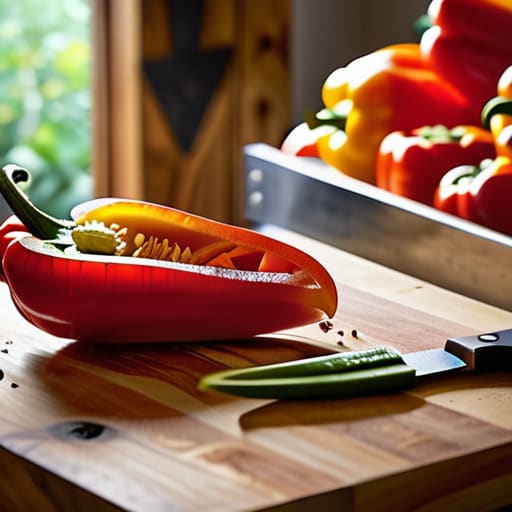
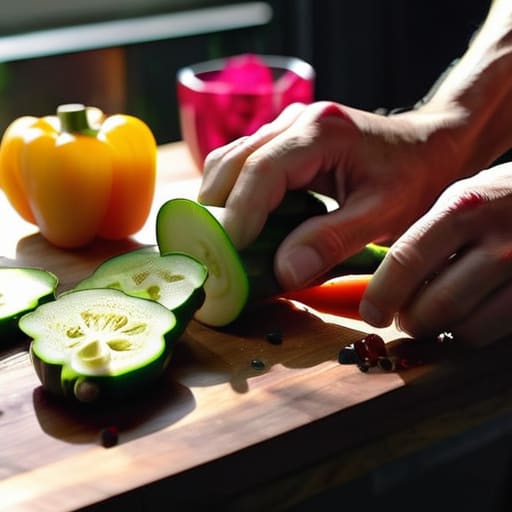
Look, I used to think that if I didn’t have a professional-grade chef’s knife and a granite cutting board, I wasn’t “doing it right.” But after years of rushing through dinner after a long shift, I’ve realized that good knife skills for vegetables aren’t about speed or looking like a pro; they’re about safety and not ending up with a pile of uneven, half-cooked chunks. If you’re just starting out with meal prep for beginners, my biggest piece of advice is to invest in one decent, sharp knife and learn the “claw grip.” Tuck your fingertips in so you aren’t slicing off your nails—or worse.
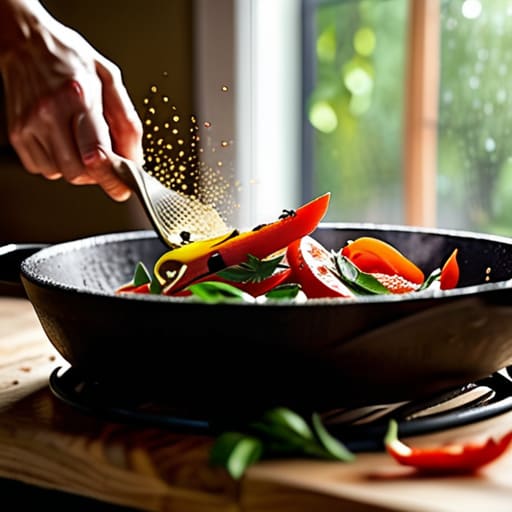
Once you get the hang of the grip, focus on consistency over complexity. It doesn’t matter if you’re dicing onions or slicing bell peppers; if the pieces are roughly the same size, they’ll cook at the same rate. There is nothing more frustrating than biting into a raw chunk of carrot in the middle of a perfectly good stir-fry. Keep your workspace organized, wipe your board often, and don’t rush the process. A steady rhythm beats a frantic sprint every single time.
How to Wash Produce to Stop Food Waste
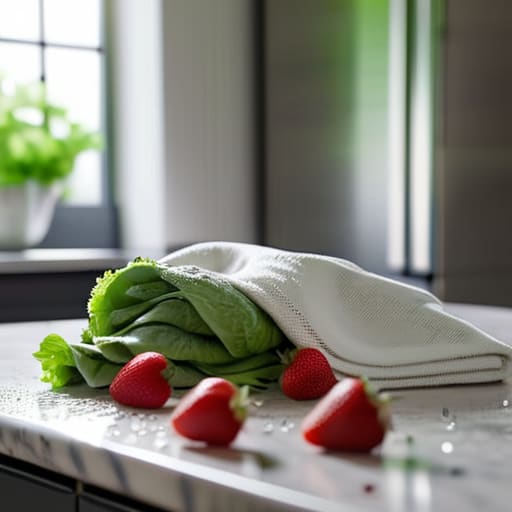
Honestly, the biggest mistake I see people make with meal prep for beginners isn’t the chopping—it’s the washing. If you wash your greens or berries and then shove them straight into a plastic container, you’re basically inviting mold to a party. Moisture is the enemy of longevity. My rule of thumb? Only wash what you’re about to use immediately, or if you must prep ahead, make sure you are thoroughly drying everything with a salad spinner or clean kitchen towels.
When it comes to how to wash produce effectively, don’t just rinse things under a lukewarm tap and call it a day. For sturdier stuff like carrots or bell peppers, a quick scrub helps, but for leafy greens, a soak in cold water is a game-changer for getting rid of grit. Once they’re clean, the real secret to keeping vegetables fresh lies in how you store them. I always line my containers with a dry paper towel to soak up any stray droplets. It’s a tiny, mindless habit, but it’s the difference between a crisp cucumber and a slimy mess by Thursday.
Five Low-Stakes Habits to Save Your Sanity (and Your Grocery Budget)
- Don’t feel pressured to chop everything the second you get home from the store. If you’re exhausted, just wash the greens and put them in a container with a paper towel. It’s better to prep a little bit every few days than to spend three hours on a Sunday and then never touch a knife again because you’re burnt out.
- Embrace the “partial prep” method. You don’t need to turn your kitchen into a professional prep station. If you know you’re making stir-fry on Wednesday, just slice the bell peppers and onions on Tuesday night while you’re waiting for your pasta to boil. It’s about reducing the friction of cooking later, not adding more chores to your weekend.
- Invest in a decent-sized cutting board that actually stays put. There is nothing more frustrating—or dangerous—than a tiny, flimsy board sliding around your counter while you’re trying to dice an onion. If it’s wobbling, put a damp paper towel underneath it. It sounds simple, but it’s a game-changer for feeling steady and controlled.
- Use your freezer as your safety net. If you notice your zucchini or spinach is starting to look a little sad, don’t toss it. Chop it up and throw it in a freezer bag. It might not be great for a fresh salad, but it’s perfect for a quick smoothie or a soup later in the month, which keeps your food waste (and your money) under control.
- Group your veggies by “use case” rather than just type. Instead of just having a drawer of random carrots and celery, prep a container of “mirepoix” (onions, carrots, celery) together. When you’re staring at a pan at 6:00 PM wondering where to start, having that pre-mixed base ready to go makes the whole process feel way less overwhelming.
Making It Work for You
At the end of the day, vegetable prep isn’t about achieving some aesthetic, Pinterest-perfect pantry or mastering professional chef techniques overnight. It’s really just about reducing the friction between you and a healthy meal. By sharpening your knife skills just enough to feel safe, learning how to properly wash your produce to extend its life, and finding a rhythm that doesn’t leave you feeling like a kitchen slave, you’re setting yourself up for success. Remember, the goal is to minimize the mental load of deciding what’s for dinner. When the chopping is already done and the greens are clean, you’ve already won half the battle against the mid-week slump.
Don’t feel like you have to overhaul your entire kitchen routine this Sunday. If you only have twenty minutes to chop some onions and peppers for the week, that is a massive win. Life is messy, work is demanding, and sometimes the best “productivity hack” is simply doing one small thing that makes tomorrow slightly easier. Start small, be consistent, and give yourself some grace when things don’t go perfectly. You’re building habits, not a museum of organized groceries, and that’s exactly how real progress happens.
Frequently Asked Questions
How long can I actually keep these prepped veggies in the fridge before they start getting slimy or losing their crunch?
Look, I’ve definitely been there—opening a container only to find a science experiment instead of dinner. Generally, you’ve got about 3 to 5 days for most chopped veggies. Harder stuff like carrots or peppers can push closer to a week, but leafy greens? They’re temperamental; aim to use those within two days. My rule of thumb: if it looks limp or smells even slightly “off,” just toss it. It’s not worth the food poisoning.
Do I really need to buy a bunch of expensive airtight containers, or can I just use whatever Tupperware I already have lying around?
Honestly? Please, don’t. I see these aesthetic, matching glass sets all over my feed, and while they look great in a pantry photo, they’re a massive unnecessary expense. If your mismatched Tupperware is clean and seals decently, use it. The goal here is to reduce waste and save time, not to curate a museum of plastic. Just make sure they’re actually airtight—if the seal is gone, your prep will turn into mush by Thursday.
Is it worth the extra effort to prep things like onions and garlic in advance, or is it better to just chop them right when I'm cooking to keep the flavor fresh?
Honestly? For onions, absolutely prep them. I usually dice a few large ones on Sunday and keep them in a sealed glass jar; it saves me so much crying during a hectic Tuesday dinner. Garlic is a bit different—it loses that punch if it sits too long. I find it’s better to peel them ahead of time but wait to mince them until you’re actually at the stove. Efficiency is great, but flavor is non-negotiable.