









I was staring at a Tupperware container of sad, congealed pasta in the back of my fridge last night, wondering if I was actually going to throw fifty dollars worth of groceries straight into the trash. We’ve all been there, right? Most “meal prep” influencers make it look like a choreographed dance of glass containers and aesthetic salads, but the reality is usually much messier. They act like learning how to use leftovers requires a culinary degree or a massive Sunday afternoon time commitment, when in reality, it’s usually just about not being wasteful when you’re exhausted after a long shift.
I’m not here to give you a list of complicated, five-ingredient recipes that require a trip to a specialty grocery store. Instead, I want to share the practical, slightly unglamorous systems I’ve developed to turn yesterday’s dinner into a win for my bank account and my schedule. We’re going to focus on realistic, repeatable habits—like the “component method” and my go-to pantry staples—that actually work when you have zero motivation. Let’s stop treating yesterday’s meal like a chore and start treating it like the shortcut it actually is.
Table of Contents
Repurposing Cooked Proteins for Faster Weeknight Wins
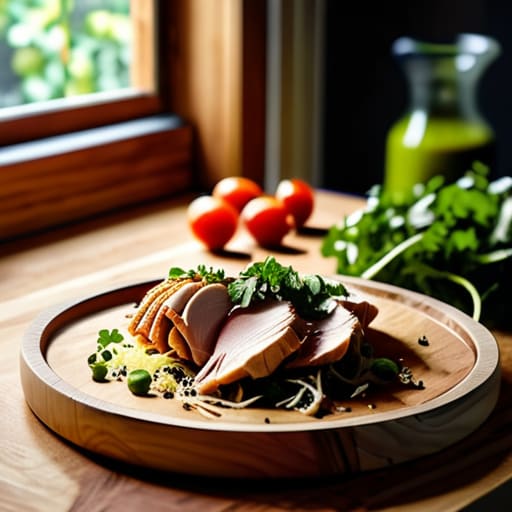
If you’re like me, the most exhausting part of a Tuesday is staring at a pan and realizing you have zero energy to actually cook. This is where repurposing cooked proteins becomes your absolute best friend. Instead of viewing last night’s roasted chicken or pan-seared salmon as “old food,” start seeing them as pre-prepped components. A pile of shredded chicken isn’t just a leftover; it’s the foundation for a ten-minute taco night or a quick pesto pasta.
The trick is to change the texture and the flavor profile so you don’t feel like you’re eating a repeat performance. I love taking leftover steak and slicing it thin for a quick stir-fry with whatever frozen veggies are lurking in my freezer. It’s one of those creative kitchen hacks that saves me from the dreaded takeout siren call when I’m exhausted. Just make sure you’re storing food safely in airtight containers right after dinner; nothing ruins a good meal makeover faster than a fridge that’s been playing Tetris with questionable containers for three days.
Smart Food Waste Reduction Tips for Busy Real Lives
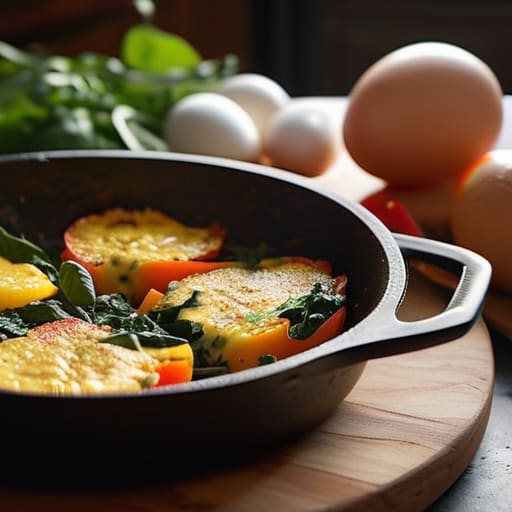
Let’s be real: most of us don’t fail at reducing waste because we lack willpower; we fail because we’re exhausted by 7:00 PM. When you’re staring at a wilted bag of spinach or a container of half-used grains, the last thing you want to do is a deep dive into complex recipes. My best food waste reduction tips usually involve lowering the barrier to entry. Instead of trying to cook a “new” meal, I look at what I already have as a head start. If you have a handful of random veggies and some stale bread, you don’t have a problem; you have the beginnings of a quick frittata or a savory bread pudding.
The secret to making this sustainable is all about the prep work before the chaos hits. I’ve learned that storing food safely and logically is half the battle. I use clear glass containers so I can actually see my progress (or my impending doom) at a glance. If I see a container of roasted sweet potatoes sitting in the front of the fridge, I know they’re destined for a breakfast hash tomorrow. It’s not about being a gourmet chef; it’s just about making smarter choices with the inventory you’ve already paid for.
My Realistic Blueprint for Making Leftovers Feel Like a New Meal
- The “Base Layer” Strategy: Instead of staring at a bowl of plain rice or pasta and feeling uninspired, treat it as a blank canvas. Add a fresh sauce, some crunchy veggies, or a fried egg, and suddenly you’ve transitioned from “eating yesterday’s scraps” to “making a quick grain bowl.”
- Master the Art of the “Kitchen Sink” Frittata: This is my ultimate low-effort hack. If you have random bits of cheese, a handful of wilted spinach, or half an onion left over, throw them into a pan with some eggs. It’s a high-protein breakfast or dinner that clears out the crisper drawer without any real thought.
- Invest in a Few High-Quality Glass Containers: Trust me on this one. If you keep your leftovers in those flimsy, mismatched plastic tubs, you’re going to forget they exist in the back of the fridge. Clear glass containers make it easy to see exactly what you have, which actually encourages you to eat it before it turns into a science project.
- Sauce is Your Secret Weapon: The biggest reason we reject leftovers is the texture or the flavor profile feeling “stale.” Keep a few versatile condiments on hand—like a good sriracha, a creamy tahini, or a tangy pesto. A quick drizzle can completely mask the fact that the food was cooked forty-eight hours ago.
- The “One-In, One-Out” Rule for Fridge Management: Every time you go grocery shopping, do a quick five-minute scan of your leftovers. If something is approaching its expiration date, make it your priority for the next meal. It’s a small habit, but it stops that expensive “accidental” food waste from piling up.
Making it Work for You
At the end of the day, using leftovers isn’t about being a gourmet chef or following a strict meal prep regime; it’s about being smart with what you’ve already paid for. Whether you’re repurposing that leftover roasted chicken into a quick taco night or finally tackling that pile of veggies in the crisper drawer, you’re essentially buying yourself time and protecting your budget. It’s the small, tactical wins—like turning last night’s protein into a high-speed lunch—that keep your week from feeling like a chaotic scramble. Just remember to keep your storage organized and your expectations realistic; you don’t need a five-star meal, you just need fuel that doesn’t break the bank.
I know how it feels when you walk into a kitchen after a long shift and the last thing you want to do is “create” something new. But I promise you, once you start seeing your fridge as a collection of building blocks rather than a graveyard of forgotten Tupperware, everything changes. You’ll find that life gets a little less overwhelming when you stop treating every meal like a brand-new project. Let’s ditch the guilt of the “wasted” meal and instead focus on the small, repeatable habits that actually make our lives easier. You’ve got this, one repurposed bowl at a time.
Frequently Asked Questions
How long can I actually keep these leftovers in the fridge before they become a safety hazard?
Look, I’ve definitely been there—staring at a container of pasta wondering if it’s “safe” or “science project” territory. Generally, you’ve got about three to four days. Once you hit day five, I’d personally play it safe and toss it. If it smells even slightly off or looks a bit slimy, don’t even do the “sniff test” gamble; just bin it. It’s not worth the stomach ache or the lost productivity.
Is there a way to revive leftovers that have gone a bit soggy or sad-looking without making them taste like microwaved cardboard?
Honestly, the microwave is the enemy of texture. If your leftovers look a little sad and soggy, ditch the microwave and grab a skillet. A quick sauté in a pan with a tiny bit of butter or olive oil can crisp up that limp pasta or revive those wilted veggies instantly. For anything bread-based or roasted, the oven or an air fryer is your best friend—it brings back that much-needed crunch without the cardboard taste.
How do I meal prep these leftover components so they don't all turn into one giant, mushy mess by Thursday?
The “mushy mess” is the ultimate meal prep villain. My golden rule? Deconstruct everything. Instead of mixing your grains, proteins, and veggies into one big container, use separate, smaller glass jars or compartments. Keep your “wet” ingredients—like dressings or sauces—in a tiny separate container. Also, let everything cool completely before sealing the lids; if you trap that steam, you’re basically making a veggie sauna, and that’s how you end up with soggy leftovers.