







I spent way too many years thinking that “cooking” meant following a thirty-step recipe with ingredients I couldn’t pronounce, usually while staring dejectedly at a takeout menu. Between managing my team at work and trying to maintain some semblance of a social life, the idea of standing over a stove for an hour felt more like a chore than a skill. We’ve all seen those perfectly staged, color-coded meal prep videos that make it look effortless, but let’s be honest: they are exhausting to keep up with. If you’re looking for easy meals for beginners that actually fit into a chaotic Tuesday, you aren’t looking for a culinary masterpiece; you’re looking for survival strategies that don’t taste like cardboard.
In this post, I’m stripping away the fluff and the expensive gadgets. I’ve narrowed it down to five specific, repeatable staples that I personally rely on when my brain is fried and my energy is low. These aren’t just recipes; they are my personal blueprints for eating well without the burnout. By the time you finish reading, you’ll have a handful of go-to options that will save your budget, your time, and your sanity.
Table of Contents
The Sheet Pan Savior
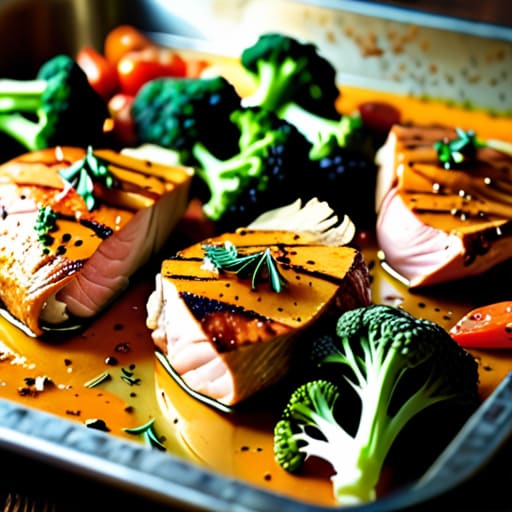
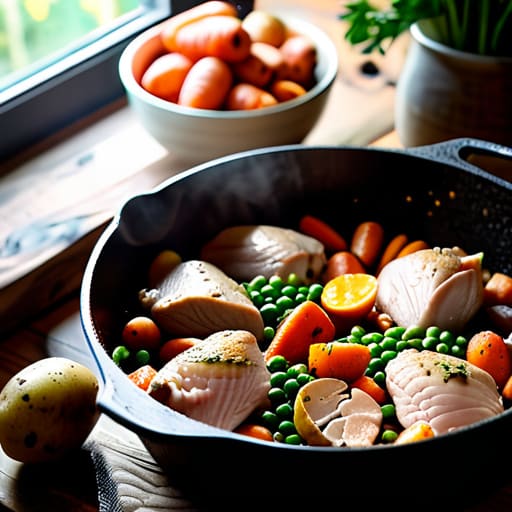
If you’re anything like I was when I first started managing a full-time workload, the last thing you want to do after a long day is stand over a stove scrubbing three different pans. Enter the sheet pan dinner. You basically just chop up some protein—chicken thighs work best because they’re hard to overcook—and toss them on a tray with whatever veggies are looking sad in your crisper drawer. Drizzle with olive oil, add some salt, pepper, and maybe a bit of garlic powder, and let the oven do the heavy lifting.
One-Pot Pasta Logic
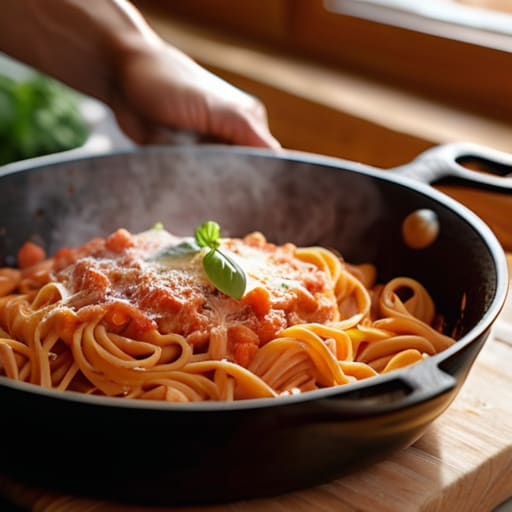
I used to think “gourmet” pasta required a dozen different components and a timer running constantly. In reality, most of those complex recipes are just extra steps we don’t actually need. I’ve moved toward the one-pot method, where you cook the pasta directly in a sauce made of broth, canned tomatoes, or even just water and aromatics. It sounds a bit chaotic, but the starch from the pasta stays in the pot, which actually makes your sauce incredibly creamy without needing a gallon of heavy cream.
The Elevated Grain Bowl
We’ve all seen those perfectly styled grain bowls on Pinterest, but let’s be honest: they usually look like they took forty minutes of precise slicing to achieve. My version is much more about functional assembly than aesthetic perfection. Start with a base of something easy like quinoa or even microwaveable brown rice. Then, add a canned protein like chickpeas or tuna, some sliced cucumber, and whatever feta or avocado you have on hand.
Breakfast for Dinner
There is a specific kind of liberation that comes with realizing you don’t have to eat “dinner foods” at 7:00 PM. When my brain is too fried to process a complex recipe, I default to an omelet or a hearty scramble. Eggs are arguably the most cost-effective protein in your kitchen, and they cook in about three minutes. It’s the ultimate safety net for those nights when your productivity has completely tanked.
The "Dump and Simmer" Soup
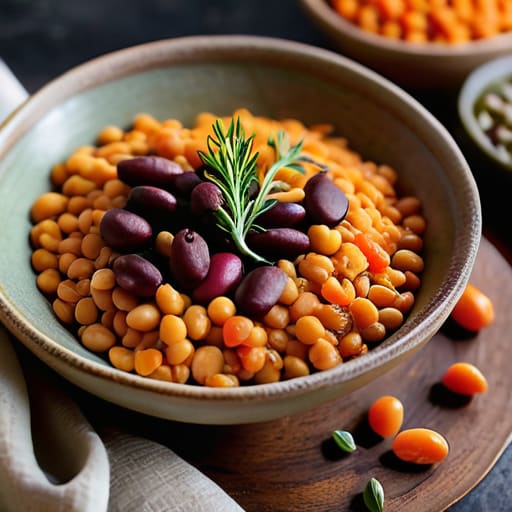
I am a firm believer that a good soup is just a way to use up whatever is left in your pantry before it expires. You don’t need to sauté onions for twenty minutes to make something delicious. If you have a pot, some broth, a can of beans, and some frozen vegetables, you are already halfway to a meal. This is the minimalist approach to cooking that actually respects your time and your budget.
Real life isn't a cooking show
At the end of the day, these five meals aren’t about achieving some culinary masterpiece or posting a perfectly lit photo of your dinner to a grid. It’s about the fact that you have a job, a life, and a finite amount of energy after 6:00 PM. Whether you’re leaning on the simplicity of a sheet-pan roast or the “set it and forget it” magic of a slow cooker, the goal is to stop the decision fatigue that leads to expensive, unhealthy takeout orders. By mastering these few, repeatable staples, you’re building a foundation that saves you time, protects your budget, and actually keeps you fed without the meltdown.
Please, give yourself a little grace as you navigate this. I know from experience that some nights the pasta will stick to the pot or the seasoning will be slightly off, and that is perfectly okay. We aren’t chasing perfection here; we are chasing sustainable habits. The most successful “meal preppers” I know aren’t the ones with the color-coded Tupperware, but the ones who have figured out a rhythm that works for their actual, messy lives. Pick one recipe from this list, try it this week, and let that be your win. You’ve got this.
Frequently Asked Questions
I'm worried about food waste; how do I make sure these ingredients don't just go bad in the crisper drawer?
I totally get it—the “crisper drawer graveyard” is a real place, and watching money rot in the fridge is the worst. My rule of thumb? Shop with a “use-it-or-lose-it” mindset. If greens look a little sad, toss them in a smoothie or a soup immediately rather than waiting for the “perfect” meal. Also, I’ve learned that freezing is your best friend. Almost anything—even herbs in olive oil—can be frozen to buy yourself more time.
Do I really need to invest in a bunch of specialized kitchen gadgets to make this work, or can I just use what I have?
Honestly? Please, don’t even bother. If you go out and buy a specialized gadget for every single recipe, you’re just adding clutter to your cabinets and unnecessary stress to your budget. I’ve learned the hard way that most “must-have” tools are just marketing in disguise. Stick to the basics—a decent knife, a reliable pan, and whatever you already have. Real cooking is about the ingredients and the process, not the shiny gear.
How do I balance these simple meals without feeling like I'm eating the exact same thing every single night?
The trick isn’t buying more ingredients; it’s about the “flavor pivot.” I keep a few staple bases—like roasted chicken or grains—and just swap the seasoning profile. One night it’s lemon and garlic, the next it’s a dash of chili oil or some soy sauce. Think of your meals as a modular system rather than a fixed menu. It keeps things fresh without turning your kitchen into a chaotic, expensive mess.