










I was scrolling through my feed the other day and saw yet another “life hack” video claiming you can slash your energy costs by $200 a month just by buying a specific, overpriced smart plug. Honestly? It’s exhausting. Most of the advice you see online about how to save on utilities feels like it was written by someone who has never actually had to balance a tight monthly budget or deal with a sudden spike in a heating bill. We don’t need more expensive gadgets to fix a problem that usually comes down to basic, everyday habits we’ve simply overlooked.
I’m not here to sell you on a magic bullet or a complicated tech setup that takes three hours to install. Instead, I want to share the small, repeatable shifts I’ve made in my own apartment and office that actually move the needle. We’re going to focus on realistic, low-effort adjustments—the kind of stuff that doesn’t require a renovation or a massive upfront investment. Let’s skip the hype and look at what actually works to keep your bank account a little healthier each month.
Table of Contents
Smart Thermostat Benefits for Your Actual Daily Routine

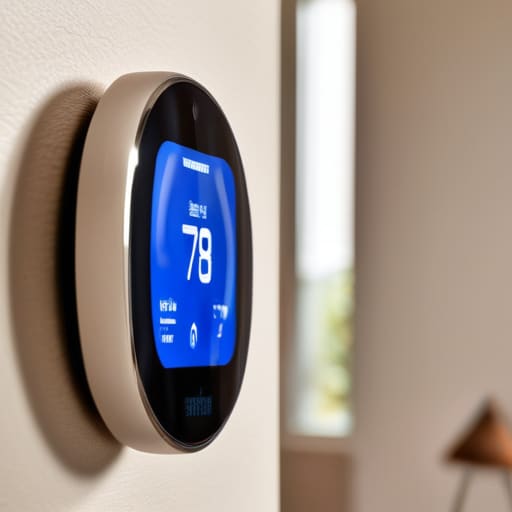
I used to be the person who would walk out of the house, realize halfway to the office, and panic about whether I actually turned the AC down. It’s a mental drain I didn’t need. Switching to a smart thermostat wasn’t about buying a shiny new gadget to show off; it was about reclaiming that tiny bit of headspace. The real smart thermostat benefits show up in the automation—it learns that I’m not home between 9:00 and 5:00 and adjusts accordingly without me having to lift a finger.
It’s one of those low-effort, high-reward shifts. Instead of manually fiddling with the dial every time the weather shifts, the device handles the heavy lifting of lowering heating and cooling costs by optimizing based on my actual schedule. It’s not a magic fix for a drafty apartment, but it’s a solid, repeatable habit for your home’s ecosystem. For me, it’s just one less thing to track in my planner, allowing me to focus on more important things—like finally perfecting my habanero ferment.
Lowering Heating and Cooling Costs Without the Stress
Look, I get it. The idea of doing a full-scale renovation just to shave a few bucks off your monthly bill sounds exhausting. I don’t have the time or the budget for major construction projects right now, and honestly, most of us don’t. But you don’t need to tear down walls to see a difference. If you want to focus on lowering heating and cooling costs without losing your mind, start with the low-hanging fruit.
Check your windows. It sounds cliché, but a drafty window is basically just throwing money out into the street. Instead of a massive overhaul, I’m a big fan of simple home insulation efficiency tweaks, like using heavy curtains or even just some weather stripping on the doors. It’s not flashy, and it won’t win you any awards on Instagram, but it actually works. It’s about those small, repetitive adjustments that keep your environment stable so your HVAC system isn’t working overtime. Think of it as setting up a system that runs in the background of your life—minimal effort, maximum, realistic impact.
Small tweaks that don't require a lifestyle overhaul
- Stop paying for water you aren’t using. I started timing my showers—aiming for five minutes instead of fifteen—and it’s a tiny shift that actually shows up on the monthly bill without feeling like a chore.
- Get serious about your “phantom” energy drain. We all have that one lamp or coffee maker that stays plugged in 24/7; grabbing a few decent power strips to kill the power to your entertainment center when you’re sleeping is a total game-changer.
- Check your seals before you check your settings. If you can feel a draft around your front door or windows, no amount of thermostat adjusting is going to help; a simple, cheap weatherstripping kit can save you more than a fancy new appliance would.
- Be intentional with your laundry routine. I stopped running the dishwasher and the washing machine every single day; waiting until we have a full load actually saves water and electricity, and it means I’m not constantly managing chores anyway.
- Lighten the load on your water heater. You don’t need to turn it off entirely, but lowering the temperature just a few degrees can stop you from paying to heat water that’s already more than hot enough for a shower.
Cutting the Cord on Utility Stress
At the end of the day, saving on your utilities isn’t about living in a dark, freezing house or depriving yourself of comfort. It’s about the small, intentional shifts we discussed—like letting a smart thermostat handle the heavy lifting and being a bit more mindful of how we heat and cool our spaces. You don’t need to overhaul your entire lifestyle or invest thousands in solar panels overnight to see a difference. It’s really just about eliminating the mindless waste that quietly eats away at your monthly budget. Whether it’s adjusting the temperature by just two degrees or finally getting around to sealing those drafty window frames, these small, repeatable habits are what actually move the needle when your bill arrives in your inbox.
I know how easy it is to feel overwhelmed by the sheer number of “life hacks” thrown at us, but please remember that progress isn’t a straight line. If you forget to turn off a light or leave the AC running a little too high one afternoon, don’t sweat it. The goal isn’t perfection; it’s about building a system that works for your real, messy, busy life. Start with one thing this week—just one—and see how it feels. You’ll find that once you take control of these little leaks in your finances, you’ll have much more breathing room for the things that actually matter.
Frequently Asked Questions
Is it actually worth the upfront cost to upgrade to a smart thermostat, or am I just paying for a fancy gadget?
Look, I get it. I’m a sucker for a sleek gadget too, but I hate wasting money on things that don’t pay for themselves. If you’re someone who constantly forgets to turn the AC down when you head to work, it’s absolutely worth it. It’s not about the “cool” factor; it’s about that automated, set-it-and-forget-it savings. For most of us, the device pays for itself in energy savings within a year or two.
How much of a difference will small things like sealing window drafts or changing lightbulbs actually make on my monthly bill?
Look, I get it. It feels like we’re counting pennies while the big bills keep looming. But honestly? It’s the cumulative effect that gets you. Sealing a drafty window might only save you a few bucks this month, but it stops your heater from working overtime all winter. Swapping to LEDs is a one-time annoyance that pays dividends for years. It’s not a “get rich quick” scheme; it’s just about plugging the leaks in your budget.
Are there any specific times of day I should be adjusting my settings to save money without feeling like I'm living in a cave?
Look, I’m all for comfort, but you don’t need to live in a cave to see a difference. The sweet spot is usually right when you’re heading out the door for work and right before you crawl back into bed. If you can nudge the temp up (or down) by just a few degrees during those “away” hours, you’re saving money while you’re busy living your life, not just staring at a thermostat.