










I remember sitting at my kitchen table three years ago, staring at a $600 car repair bill that felt like a personal attack from the universe. I had been doing everything “right”—tracking my spending, skipping the expensive lattes, and following every piece of hustle culture advice—yet one unexpected tire blowout still managed to completely wreck my month. It was a wake-up call that no amount of willpower can fix a lack of planning. I realized then that I didn’t need a miracle; I just needed to learn how to set up sinking funds that actually worked for a real person with a real life, not some theoretical version of me living in a spreadsheet.
I’m not here to sell you on a complicated, multi-step financial system that requires a degree in accounting to maintain. Instead, I want to show you how to build small, repeatable habits that absorb life’s little punches before they land. We’re going to skip the fluff and focus on the practical, low-maintenance steps to partition your money so that when the car breaks or a wedding invite arrives, you don’t panic. Let’s get into the realistic way to manage your cash flow without losing your mind.
Table of Contents
Stop Guessing How to Calculate Sinking Fund Amounts With Ease

Look, I used to treat my savings like a game of Tetris, just shoving money into a general pot and hoping for the best. But that’s how you end up staring at your bank balance in a panic when your car needs new tires. To avoid that stress, you need a system that actually makes sense. The simplest way to handle how to calculate sinking fund amounts is to stop looking at the big, scary total and start looking at the calendar. Grab your planner—or just open a notes app—and list out everything you know is coming. Whether it’s your annual car registration, a friend’s wedding, or even just those quarterly vet visits, write down the estimated cost and the date it’s due.
Once you have those numbers, the math is actually pretty painless. Take the total cost and divide it by the number of months you have left to save. If that holiday gift fund needs to be $600 by December and it’s currently June, you’re looking at $100 a month. It’s not about finding a massive lump sum; it’s about creating manageable monthly savings goals that fit into your actual budget. This is the secret to making sure your “fun” money doesn’t accidentally get eaten by your “responsibility” money.
Sinking Fund Examples for Beginners to Start Your Journey
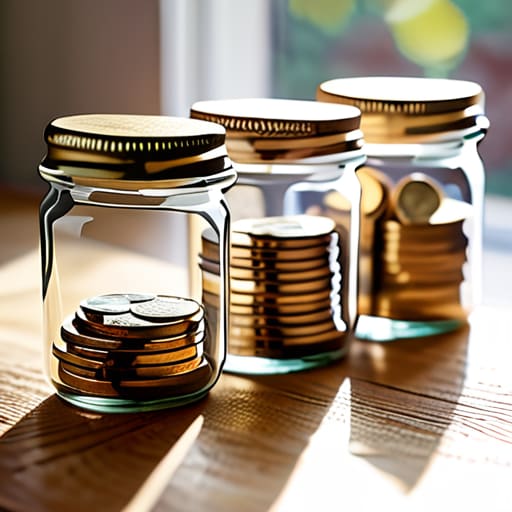
If you’re feeling paralyzed by the sheer number of things life can throw at you, don’t worry—I was there too. The trick is to stop looking at “savings” as one giant, intimidating mountain and start breaking it down into bite-sized, manageable categories. When looking for sinking fund examples for beginners, I always suggest starting with the “predictable surprises.” Think about your annual car registration, those inevitable holiday gifts that always seem to arrive at the worst time, or even your quarterly vet visits. These aren’t emergencies, but they are expenses that will definitely hit your bank account if you aren’t ready.
I also like to categorize funds by how much they impact my daily peace of mind. For instance, setting aside a small amount for “home maintenance” or “tech upgrades” prevents that sinking feeling when your laptop finally decides to retire. It’s also worth noting the difference between an emergency fund vs sinking fund; while your emergency fund is for the “oh no, the water heater exploded” moments, these sinking funds are for the “I knew this was coming eventually” moments. By tackling these smaller, planned costs separately, you protect your main safety net from being drained by everyday life.
5 ways to actually make these funds stick (without the stress)
- Automate the boring stuff. If you have to manually move money every single month, you’re eventually going to “forget” or decide you need that cash for something else. Set up a recurring transfer from your checking to your savings the day after your paycheck hits. Out of sight, out of mind, and much harder to accidentally spend on a takeout binge.
- Don’t aim for perfection on day one. I used to think I needed a separate bank account for every single tiny expense, and honestly, it was a logistical nightmare. Start with just two or three big ones—like car maintenance or holiday gifts—and add more as you get comfortable. You don’t need a complex spreadsheet to make progress.
- Give your savings “names” if your bank allows it. Most modern banking apps let you nickname your accounts or create “buckets.” Seeing a bucket labeled “New Laptop” or “Summer Trip” makes it much harder to dip into that money for a random weekend spree. It turns a vague pile of cash into a tangible goal.
- Keep your “emergency fund” and your “sinking funds” separate in your mind. This is a big one. An emergency fund is for when the water heater explodes; a sinking fund is for when you know the car tires are going to wear out in six months. Don’t let your planned expenses eat into your safety net.
- Review and adjust quarterly. Life happens, and your priorities will shift. Maybe you decided to skip the big vacation this year and want to put that money toward a professional certification instead. Every few months, take ten minutes with your physical planner to see if your fund amounts still make sense for your actual life.
The Bottom Line
At the end of the day, setting up sinking funds isn’t about becoming a math whiz or mastering complex accounting software. It’s really just about moving from a state of constant financial reaction to a state of intentional preparation. We’ve talked about how to calculate what you actually need, how to identify those sneaky upcoming expenses—from car maintenance to holiday shopping—and how to start small so you don’t burn out. Remember, the goal isn’t to have a perfect, massive pile of cash overnight; it’s to build those small, repeatable habits that ensure a flat tire or a sudden vet bill doesn’t derail your entire month.
I know that looking at your bank account and realizing you haven’t prepared for next month’s insurance premium can feel overwhelming, but please don’t let that stop you from starting. Perfection is the enemy of progress, and honestly, even my best-laid plans sometimes hit a snag. What matters is that you are taking control of your money instead of letting your expenses control you. Start with one fund, even if it’s just five dollars a week, and build your momentum from there. You’ve got this, and I promise, the peace of mind that comes with a little bit of foresight is worth every single cent.
Frequently Asked Questions
Should I prioritize my sinking funds over paying down my existing credit card debt?
Honestly? This is the million-dollar question. If your credit card interest is eating you alive, pay that debt down first. High interest is a financial leak you can’t ignore. However, I’m a big believer in the “starter” fund. Put aside a small, manageable amount—maybe just $500—for a tiny emergency cushion. It prevents you from reaching for that credit card again when life inevitably happens, breaking the cycle of debt.
Is it better to keep all these small funds in one big savings account or should I open separate accounts for each one?
Honestly, this is where I used to get stuck. If you keep everything in one big bucket, it’s way too easy to accidentally dip into your “Car Repair” money to pay for a “Weekend Getaway.” It feels like one giant pile of cash, which is a trap. I personally prefer opening separate high-yield savings accounts or using a bank that lets you create “buckets” within one account. It keeps the boundaries clear so you actually stick to the plan.
What happens if I have a month where my budget is tight and I can't contribute to my sinking funds as planned?
Look, life happens. Maybe your car made a weird noise, or a friend’s birthday popped up unexpectedly. If you can’t contribute this month, don’t panic and don’t scrap the whole plan. Just skip it or put in a tiny amount—even five bucks counts. The goal is the habit, not perfection. Just pick things back up next month. Your sinking funds aren’t a judge; they’re just tools to help you stay afloat.