










I’m so tired of seeing those “5 AM Morning Routine” influencers acting like discipline is some magical, aesthetic transformation you achieve by drinking green juice and staring at a sunrise. Honestly, most of that “hustle culture” nonsense is just a fast track to burnout, and it has nothing to do with actually getting things done. If you’re looking for a way to overhaul your entire personality overnight, you’re in the wrong place; I’m here to talk about how to be more disciplined when you’re actually tired, busy, and dealing with real-world chaos.
I don’t have a magic wand, and I’m not going to pretend that life is a perfectly curated productivity spreadsheet. Instead, I want to share the small, unglamorous habits I’ve used to keep my career on track and my sanity intact. We’re going to skip the motivational speeches and focus on the boring, repeatable systems that actually work when your motivation inevitably hits a wall. This isn’t about being perfect; it’s about building realistic consistency that fits into a messy, unpredictable life.
Table of Contents
Practical Habit Formation Strategies That Actually Stick

The first thing I learned from managing operations is that you can’t just “will” yourself into a new lifestyle by Monday morning. Most people fail because they try to overhaul their entire existence at once. Instead, I swear by habit stacking. It’s a simple way of anchoring a new behavior to something you already do without thinking—like checking your email or making your morning coffee. If you want to start a new habit, tie it to an existing one. It takes the guesswork out of your daily routine for productivity and stops you from relying on that fickle, unreliable burst of motivation.
Secondly, stop trying to be a superhero. We often think discipline requires massive leaps of faith, but it’s actually about lowering the barrier to entry. If you’re struggling with overcoming procrastination techniques, try the “five-minute rule.” Tell yourself you’ll only work on that daunting task for five minutes. Usually, the hardest part is just breaking the initial friction. Once you start, the momentum carries you. It’s not about mental toughness training or punishing yourself; it’s about making the right choice the easiest choice.
Real World Goal Setting for Consistency Without the Burnout
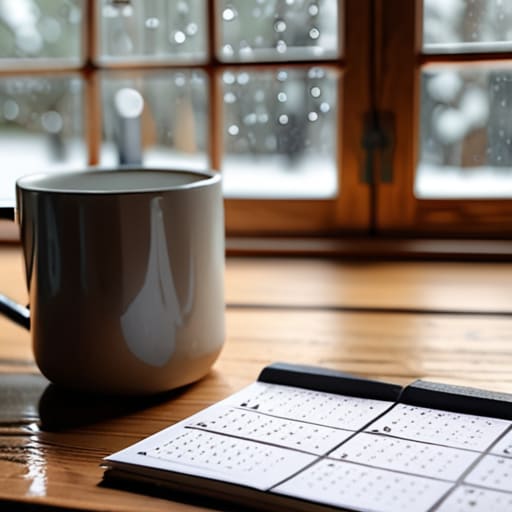
We’ve all been there: it’s January 1st, you’ve written down a list of massive, life-altering goals, and by February 15th, you’re staring at a half-finished gym membership and a mountain of guilt. The problem isn’t a lack of character; it’s that most goal-setting advice ignores the reality of a Tuesday afternoon when you’re exhausted and your inbox is exploding. Instead of aiming for “perfection,” I’ve found that goal setting for consistency requires a massive dose of realism. I stopped trying to “transform my life” and started aiming to simply not break the chain.
The trick is to decouple your identity from your output. If your goal is to write a book, don’t commit to two hours a day; commit to fifteen minutes. When you focus on tiny, non-negotiable wins, you’re actually developing willpower and self-control without draining your mental battery dry. It’s about building a system that survives your worst days, not just your best ones. If you can show up when things are messy, that’s when the real progress happens.
Five ways to stop fighting yourself and start actually getting things done
- Stop relying on “motivation” because it’s a flakey friend. Motivation shows up when things are easy, but discipline is what carries you through on Tuesday mornings when you’re tired and the coffee hasn’t kicked in yet. Build systems that work even when your mood doesn’t.
- Use the “Two-Minute Rule” to bypass the mental friction of starting. If a task feels too massive to tackle, just commit to doing two minutes of it. Usually, the hardest part of discipline isn’t the work itself; it’s the sheer weight of the anticipation. Once you start, the momentum takes over.
- Audit your environment instead of your willpower. If you’re trying to focus but your phone is buzzing next to you, you aren’t “undisciplined”—you’re just fighting a losing battle against a billion-dollar piece of tech designed to distract you. Put the phone in another room. Make the right choice the easiest choice.
- Embrace “productive imperfection.” I used to think that if I missed one day of my routine, the whole week was a wash. That’s a lie that leads straight to burnout. Discipline isn’t about being a robot; it’s about how quickly you get back on track after life inevitably gets messy.
- Schedule your “non-negotiables” in your planner. Don’t just write down work meetings; write down your gym time, your meal prep, or even your downtime. When you treat your personal habits with the same professional respect as a corporate deadline, they stop being “optional” and start being part of your identity.
The Long Game
At the end of the day, discipline isn’t some mythical superpower that people are born with; it’s just the result of choosing the boring, repeatable stuff over the flashy, instant gratification. We’ve talked about moving away from those impossible “all-or-nothing” goals and instead focusing on small, manageable wins that don’t leave you feeling completely drained by Tuesday. Whether it’s setting realistic boundaries in your calendar or finally sticking to a tiny morning routine, remember that the goal isn’t perfection. It’s about building a system of sustainable habits that can actually survive a chaotic workday or a bad mood without falling apart.
If you’re feeling behind or like you’ve already messed up your streak, please give yourself some grace. I’ve spent plenty of days staring at my planner feeling like a total failure because I couldn’t stick to my “perfect” schedule, but I’ve learned that one bad day doesn’t ruin your progress. Real discipline is just the ability to show up again the next morning, even if you have to start from scratch. Stop looking for the magic bullet and just focus on being slightly more consistent than you were yesterday. You don’t need a total life overhaul; you just need to keep moving forward, one small, unglamorous step at a time.
Frequently Asked Questions
How do I stay disciplined on those days when my job or personal life just completely falls apart?
Look, we’ve all been there—the day where everything from your inbox to your laundry pile decides to revolt. On those days, forget the master plan. My rule is “minimum viable effort.” If I can’t do my full routine, I do one tiny, non-negotiable thing. Just one. It keeps the momentum from hitting zero without triggering a total meltdown. Discipline isn’t about being a machine; it’s about knowing when to pivot so you don’t quit entirely.
Is there a way to build discipline without feeling like I'm constantly punishing myself or living on a strict regime?
Honestly, that’s the biggest mistake people make—treating discipline like a prison sentence. If your routine feels like a punishment, you’re going to quit the second life gets messy (and it always does). Instead of a strict regime, think of it as “lowering the barrier to entry.” Make your good habits so ridiculously easy that they don’t require willpower, and make your bad habits slightly more annoying to do. It’s about friction, not force.
How do I know if I'm actually making progress or if I'm just stuck in a cycle of setting goals and failing to meet them?
Honestly, I used to fall into this trap all the time. The trick is to stop looking at the big, shiny finish line and start looking at your “boring” data. Are you actually showing up? If you’re hitting 60% of your targets instead of 0%, that’s massive progress, even if it feels slow. Check your tracker—if the patterns are consistent, even if imperfect, you aren’t stuck; you’re just in the middle of the work.