










I still remember sitting in my first “real” apartment, staring at a bank balance that looked more like a temperature reading than a savings account, while a lifestyle influencer on my feed told me I just needed to “manifest abundance” and stop buying lattes. Honestly? That advice is exhausting. If you’re looking for a magical blueprint involving crypto side-hustles or cutting out every single joy in your life to become a millionaire by thirty, you’re in the wrong place. I’m not here to sell you on a fantasy; I want to talk about the gritty, unglamorous reality of how to save money in your 20s without feeling like you’re constantly punishing yourself for existing.
I don’t believe in magic bullets or overnight transformations. Instead, I want to share the small, boring, repeatable habits that actually move the needle when you’re balancing entry-level salaries with the rising cost of living. We’re going to skip the hustle culture nonsense and focus on practical, realistic systems—the kind that actually work when life gets messy. My goal is to help you build a foundation that feels sustainable and manageable, so you can actually enjoy your life today while making sure your future self isn’t left footing the bill.
Table of Contents
Finding Balance With Budgeting Apps for Gen Z
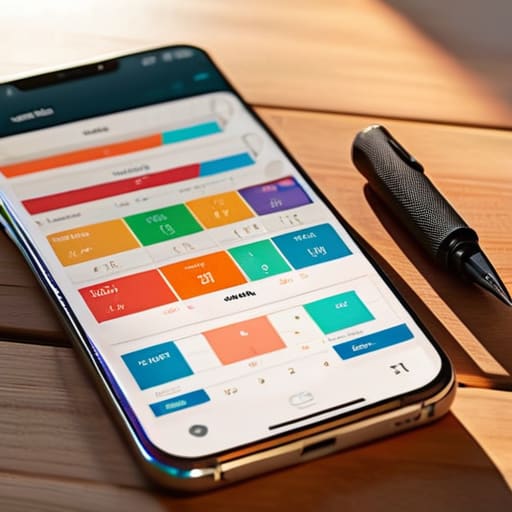
I’ll be the first to admit that I’m a bit of a tech skeptic. While I love the efficiency of a digital workflow, there is something about my physical pocket planner that makes things feel real. This creates a bit of a tug-of-war when it comes to using budgeting apps for Gen Z and other digital tools. On one hand, having every transaction synced to my phone is a lifesaver for tracking where my money actually goes. On the other hand, it’s incredibly easy to “set it and forget it,” which is a dangerous game when you’re trying to build real financial discipline.
The trick isn’t to let an app run your life, but to use it as a dashboard rather than a crutch. I’ve found that the most effective way to use these tools is to set up automated alerts for when I’m nearing my limit in certain categories. This keeps the data visible without making me feel like I’m being babysat by my smartphone. If you use an app, don’t just let it sit there; use that data to prioritize building an emergency fund so you aren’t caught off guard by a surprise car repair or a sudden medical bill.
Smart Frugal Living Tips for Students and Early Earners

If you’re still in the thick of classes or just landed that first “real” job, the temptation to celebrate every paycheck by treating yourself is massive. I get it; I really do. But instead of trying to live a lifestyle that’s way beyond your current means, I’ve found that the real win is mastering a few frugal living tips for students and early professionals that don’t feel like total deprivation. For me, it was about the “substitution rule”—swapping that $7 daily latte for a decent home brew and realizing that my social life doesn’t have to revolve around expensive dinners out.
The goal isn’t to live a life of pure restriction, though. It’s about intentionality. One of the most impactful things you can do right now is prioritize building an emergency fund, even if it’s just fifty bucks a month. Having that small cushion tucked away means a flat tire or a surprise textbook fee won’t send you into a spiral of high-interest credit card debt. It’s not flashy, and it’s definitely not “Instagrammable,” but it is the actual foundation of financial peace of mind.
The unglamorous (but actually effective) ways to keep your cash
- Automate your savings before you even see the money. I know, it sounds boring, but setting up a recurring transfer to a high-yield savings account the day after payday takes the “should I or shouldn’t I?” decision out of your hands entirely.
- Audit your “ghost” subscriptions. We’ve all been there—paying for a streaming service we haven’t touched since 2022 or a gym membership we only use for the sauna. Go through your bank statement once a month and kill anything that isn’t adding real value to your life.
- Master the art of the “wait and see” rule. Before you hit ‘buy’ on that impulsive Amazon cart or that trendy piece of decor, leave it in the cart for 48 hours. Usually, the dopamine hit fades, and you’ll realize you didn’t actually need it that badly.
- Learn to cook one or two “hero” meals. You don’t need to be a chef, but being able to whip up a decent, cheap pasta or a hearty grain bowl means you aren’t relying on $25 takeout every single time you’re too tired to think.
- Prioritize your “future self” over temporary FOMO. It’s hard to say no to a weekend trip or an expensive brunch, but I’ve found that checking in on my progress toward a specific goal—like a travel fund or an emergency cushion—makes the small sacrifices feel a lot more purposeful.
The Bottom Line
Look, we’ve covered a lot of ground, from navigating the digital maze of budgeting apps to finding those small, practical ways to cut costs without feeling like you’re living in a vacuum. If there is one thing I want you to take away from this, it’s that saving money isn’t about a massive, dramatic lifestyle overhaul or suddenly living on nothing but rice and beans. It’s about the small, boring wins—the automated transfers, the intentional spending, and the refusal to fall for every “treat yourself” trap that pops up on your feed. It’s about building a system that works for your actual life, not some idealized version of it.
At the end of the day, please try to be kind to yourself. There will be months where your car breaks down or a friend’s wedding comes up, and your savings goals might take a backseat. That isn’t failure; it’s just life happening. The goal isn’t perfection; it’s consistency over intensity. Just keep showing up, keep tweaking your habits, and keep moving forward one small step at a time. You don’t need a magic bullet to build a secure future; you just need to keep doing the small things that actually work. You’ve got this.
Frequently Asked Questions
How do I actually start saving when my rent and groceries already take up most of my paycheck?
I hear you, and honestly, it’s exhausting feeling like you’re running on a treadmill just to stay in place. When the big stuff like rent feels immovable, stop looking for huge chunks of cash. Start with “micro-saving.” I started by rounding up my digital transactions or setting an automated transfer for just $5 a week. It feels insignificant, but it builds the muscle of saving without triggering that “I can’t afford to live” panic.
Is it better to focus on paying off my student loans first or building an emergency fund?
Look, I get it. That student loan balance feels like a heavy weight on your chest, and you just want it gone. But honestly? Build the emergency fund first. I’ve seen too many people pay down a chunk of debt only to have a flat tire or a sudden medical bill force them right back into high-interest credit card debt. Aim for a small “starter” cushion—maybe $1,000 or one month of expenses—then pivot to those loans. It’s about stability, not just math.
How do I balance saving money without feeling like I'm missing out on my social life and everything my friends are doing?
The “all or nothing” approach is a trap. I used to think saving meant saying no to everything, but that just leads to burnout and resentment. Instead, try the “social sinking fund” method. Set aside a specific, guilt-free amount each month just for hanging out. If the fund is empty, you opt for the potluck or the park hang instead of the pricey cocktail bar. It’s about choosing quality experiences over mindless spending.