








I was sitting in a crowded coffee shop last Tuesday, trying to finish a quarterly budget report on their public Wi-Fi, when I realized just how exposed I actually was. It’s one of those things we all know we should do, but the tech world makes it feel like you need a computer science degree just to stay safe. Every time I search for what is a vpn, I’m met with either terrifying doomsday scenarios or incredibly dense, jargon-heavy explanations that feel like they were written by robots for other robots. Honestly, it’s exhausting. We don’t need more hype or fear-mongering; we just need to know if this tool actually works for our daily lives.
I’m not here to sell you on some “digital invisibility cloak” or a magic solution that solves every problem. Instead, I want to strip away the fluff and give you a practical, real-world look at how this tech actually functions. I’ll walk you through the basics of what is a vpn in plain English, focusing on the small, repeatable habits that keep your data secure without adding unnecessary stress to your routine. No jargon, no nonsense—just the facts you need to make an informed decision.
Table of Contents
How Vpn Encryption Works to Protect Your Daily Data

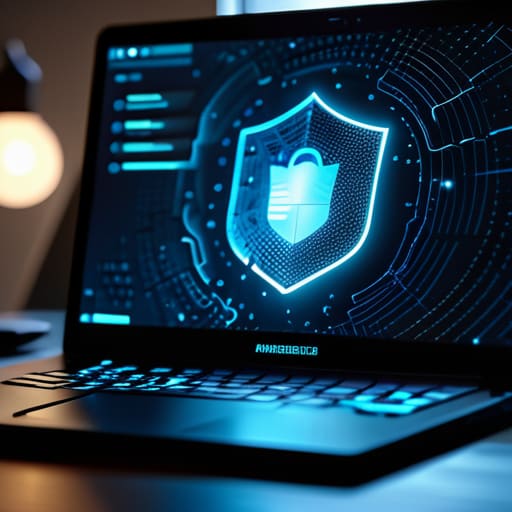
Think of it this way: without a VPN, your data is essentially traveling through the digital world on a postcard. Anyone handling that postcard—from your internet service provider to a hacker sitting in a nearby coffee shop—can read exactly what you’re doing. When you use a VPN, it creates a private, armored tunnel for your information. This is what we call a vpn tunneling protocol, and it’s the heavy lifting behind the scenes that keeps your browsing habits from being an open book.
Once your data enters this tunnel, it undergoes a process called encryption. This scrambles your information into a chaotic mess of code that is virtually impossible to decipher without the specific key. This isn’t just about hiding your passwords; it’s about true online privacy and security. By the time your request reaches its destination, it looks like nonsense to anyone trying to snoop.
Furthermore, this process facilitates ip address masking, which is a huge win for your digital footprint. Instead of your actual location being broadcast to every website you visit, the web only sees the IP address of the VPN server. It’s a small, automated layer of defense that makes a massive difference in how much of your “real life” is actually visible online.
Mastering Ip Address Masking for Actual Online Privacy and Security
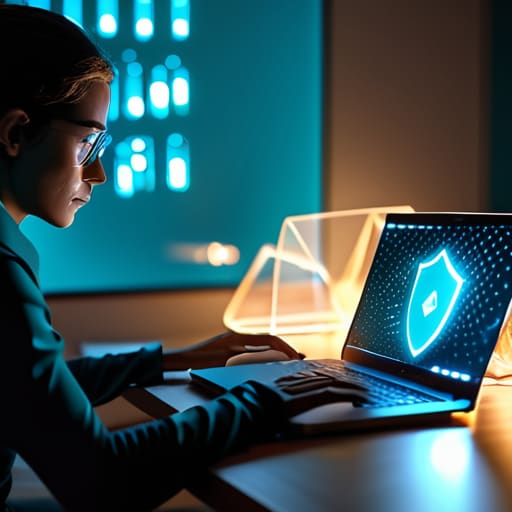
Think of your IP address like your home mailing address, but for the internet. Every time you log on, you’re essentially broadcasting your digital location to every website you visit and every advertiser tracking your moves. This is where ip address masking comes into play. Instead of letting your real location be out in the open, a VPN acts like a middleman, swapping your actual IP for one from the VPN server. It’s a simple layer of separation that makes it much harder for websites to build a creepy, detailed profile of exactly who and where you are.
For me, this isn’t about becoming a digital ghost or a hacker; it’s just about reclaiming some basic anonymity on the internet. When I’m working from a local coffee shop, I’m not just worried about hackers; I’m also thinking about how much data those sites are scraping from my connection. By masking my IP, I’m adding a practical barrier between my private habits and the data brokers. It’s one of those small, repeatable digital habits that provides a massive amount of peace of mind without requiring any technical expertise.
5 realistic ways to actually use a VPN without overcomplicating things
- Use it every single time you hop on public Wi-Fi. Whether it’s the coffee shop where I spend my Sunday mornings planning my week or a hotel network while traveling, treat public Wi-Fi like a conversation in a crowded room—anyone could be listening. A VPN keeps that conversation private.
- Don’t just pick the first free one you see in the app store. In my experience, if you aren’t paying for the product, you are the product. Stick to reputable, paid services that have a clear privacy policy; it’s a small monthly expense that’s worth the peace of mind.
- Set it to “Auto-connect” on your most-used devices. I’m a fan of systems that work in the background so I don’t have to think about them. If you have to manually toggle it on every time, you’ll eventually forget, and that’s exactly when you’re most vulnerable.
- Use it to bypass annoying regional restrictions when you’re traveling. If you’re abroad and suddenly can’t access your favorite streaming service or news site, a VPN can help you “virtually” return home. It’s a practical way to keep your digital life feeling consistent, no matter where you are.
- Keep an eye on your connection speed. A VPN adds a layer of security, but it can sometimes slow things down slightly. If you’re about to jump on a massive video call or download a huge file, check your settings—sometimes switching servers can find you a faster, more stable route.
The Bottom Line on VPNs
At the end of the day, a VPN isn’t some high-tech shield that makes you invisible to every hacker on the planet, but it is a massive step in the right direction. We’ve looked at how encryption keeps your sensitive info from being snatched mid-air and how masking your IP address stops you from being a digital breadcrumb trail for advertisers. It’s about adding a layer of practical defense to your daily routine—whether you’re checking your bank balance at a coffee shop or just scrolling through news on public Wi-Fi. It’s not about being paranoid; it’s about being smart with your digital footprint and taking control of the data you generate every single day.
I know that adding one more subscription or tech tool to your life can feel like just another chore on an already overflowing to-do list. But think of a VPN like keeping your front door locked or double-checking your budget; it’s a small, repeatable habit that prevents much larger headaches down the road. You don’t need to be a cybersecurity expert to protect yourself, you just need to make better choices with the tools available to you. Start small, pick a reputable provider, and let that be one less thing you have to worry about while you’re out there navigating the real world.
Frequently Asked Questions
Will using a VPN actually slow down my internet connection while I'm working or streaming?
The short answer? Yes, you might notice a slight dip in speed, but it’s usually nothing you can’t live with. Think of it like a detour on your commute—it takes a little longer because you’re taking a more secure route. The extra encryption and the distance to the VPN server add a bit of “lag,” but if you pick a high-quality provider with servers close to you, the difference is practically unnoticeable during a Netflix binge or a Zoom call.
Do I really need a paid VPN, or are those free ones I see in the app store actually safe to use?
Look, I get the temptation. When you’re trying to tighten the budget, “free” sounds like a win. But in the tech world, if you aren’t paying for the product, you are the product. Most free VPNs make their money by logging your data and selling it to advertisers—which completely defeats the purpose of having one. I’d rather pay a few bucks a month for a reputable service than accidentally hand my browsing history over to the highest bidder.
Can a VPN protect me if I'm using public Wi-Fi at a coffee shop, or is it just extra fluff?
It’s definitely not fluff—in fact, if you’re working from a coffee shop, a VPN is basically your digital seatbelt. Public Wi-Fi is notoriously leaky; without protection, anyone on that same network could potentially snoop on your traffic. Think of the VPN as a private, encrypted tunnel that keeps your passwords and banking info tucked away from prying eyes while you’re sipping your latte. It’s one of those small, non-negotiable habits for staying secure on the go.