









I am so tired of seeing those “perfect” home office setups on TikTok—you know the ones, where every single item is a designer beige accessory and there isn’t a single stray charging cable in sight. It’s all fun and games until you actually have to sit down and work for eight hours. If you’re looking for a guide on how to build a productive workspace that requires a massive credit card limit and a professional interior designer, you’ve come to the wrong place. I’ve learned the hard way that a desk covered in expensive, minimalist trinkets doesn’t actually stop you from doom-scrolling or feeling completely overwhelmed by your inbox.
In this post, I’m stripping away the aesthetic fluff to focus on what actually works when life gets messy. I’m going to share the small, repeatable habits and low-cost tweaks that helped me transition from a cluttered kitchen table to a functional setup that actually supports my brain. We aren’t chasing perfection here; we are chasing sustainable focus. Let’s talk about the practical, unglamorous ways you can organize your space to make your workday feel a little less like a constant uphill battle.
Table of Contents
Real World Ergonomic Office Setup Tips That Actually Work
Look, I’m not going to tell you that you need a $1,200 designer chair to be effective. Most of those “aesthetic” setups you see online are actually nightmares for your back after a four-hour stretch of deep work. Instead, focus on the basics of ergonomic office setup tips that don’t break the bank. Start with your eye level; if you’re hunched over a laptop, your neck is going to pay for it by 3:00 PM. A simple laptop stand—or even a sturdy stack of old textbooks—can bring your screen up so you’re actually looking straight ahead.
Next, let’s talk about the environment. I’ve learned the hard way that optimal lighting for focus is a game changer. If you’re working under a harsh overhead light or, even worse, in a dark corner, your brain is going to crave a nap. Try to position yourself near a window for natural light, or grab a cheap desk lamp with a warm bulb. It’s a tiny tweak, but it keeps the afternoon slump at bay without needing a third espresso.
Small Workspace Organization Hacks for Your Daily Routine
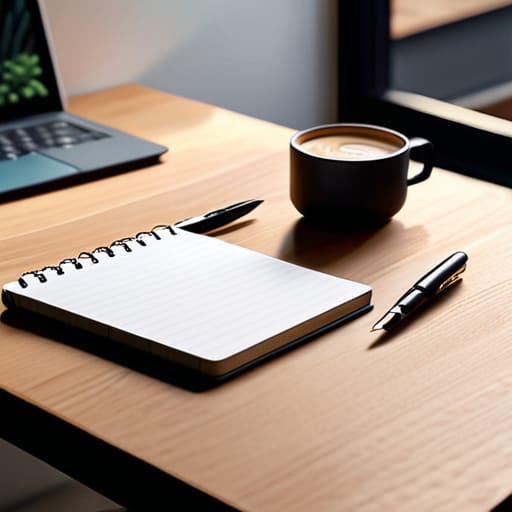
Look, I’ve tried the “everything has a dedicated aesthetic drawer” approach, and frankly, I don’t have the time or the mental bandwidth for it. Instead, I focus on desk clutter management that actually survives a Tuesday afternoon. My rule of thumb? If I don’t touch it every single day, it doesn’t live on the surface of my desk. Pens, my current notebook, and my coffee mug stay out; everything else—staplers, extra charging cables, that random pile of sticky notes—gets tucked into a drawer or a small bin. It’s not about being perfect; it’s about reducing the visual noise that pulls your eyes away from your screen.
I’ve also found that minimizing desk distractions is less about willpower and more about physical boundaries. I use a small tray for my phone—it stays face down and out of my immediate line of sight. It sounds small, but that one tiny shift keeps me from reflexively checking notifications every time I hit a lull in my workflow. If you want to try some workspace organization hacks without turning your life into a Pinterest board, start by clearing just one square foot of your desk. It makes the whole area feel breathable without requiring a total overhaul.
The unglamorous essentials: 5 things that actually move the needle
- Stop chasing the “aesthetic” setup. A perfectly color-coordinated desk looks great on a Pinterest board, but it’s useless if you can’t find your charger. Focus on “functional zones” instead—keep your high-frequency tools (like your notebook and pen) within arm’s reach, and tuck the stuff you only use once a week into a drawer.
- Manage your visual noise. My brain starts to spiral when I see a stack of unopened mail or a pile of random cords next to my laptop. If you can’t clean the whole room, just clear the 24 inches directly in front of you. That small patch of “visual calm” makes a massive difference when you’re trying to focus.
- Invest in your physical comfort, not just your tech. You don’t need a $1,000 chair to be productive, but you do need to stop slouching like a question mark. If your budget is tight, even a cheap laptop stand and a decent external keyboard can save you from that 3:00 PM neck ache that kills your momentum.
- Create a “transition ritual” to signal work is starting. Since I work from home part-time, my brain struggles to switch from ‘relaxed’ to ‘operations manager’ mode. Whether it’s lighting a specific candle or clearing my physical planner for the day, you need a small, repeatable habit that tells your brain, “Okay, we’re doing this now.”
- The “End-of-Day Reset.” This is my non-negotiable. Spend the last five minutes of your workday tidying your surface and writing down your top three priorities for tomorrow. It prevents that overwhelming feeling when you sit down the next morning, and it lets you actually shut your brain off when the workday is officially over.
Finding Your Flow
At the end of the day, building a productive workspace isn’t about buying every gadget on a “must-have” list or achieving that flawless, Pinterest-perfect aesthetic. It’s really just about the practical stuff we talked about: getting your ergonomics right so your back doesn’t ache by 3 PM, and setting up small, repeatable organization habits that prevent the mid-day clutter creep. Whether it’s a dedicated spot for your physical planner or a simple system to clear your desk every evening, these tiny, unglamorous adjustments are what actually sustain your focus over the long haul. It’s about creating a space that supports your work rather than fighting against it.
Please remember that your workspace is allowed to evolve alongside your life. Some weeks, your desk will be a minimalist dream; other weeks, it might look a little more chaotic while you’re juggling a massive project or a personal deadline. That’s okay. Don’t let the pursuit of a “perfect” setup become another item on your overwhelming to-do list. Just focus on making one small, realistic change this week that makes your daily grind feel just a little bit lighter. You don’t need a total overhaul to see progress—you just need a space that works for the real you.
Frequently Asked Questions
I live in a tiny studio apartment—how can I create a "work zone" without it taking over my entire living space?
I’ve been there—trying to work from my kitchen table while my laundry stares me down is a recipe for burnout. In a studio, you have to embrace “visual boundaries.” If you can’t afford a separate room, use a rug to define the zone or even a folding screen. Most importantly, when the clock hits 5:00, pack the laptop away. If your “office” is always visible, your brain never actually leaves work.
My budget is pretty tight right now; what are some cheap or DIY ways to improve my setup instead of buying expensive ergonomic gear?
Look, I get it. My bank account definitely didn’t appreciate my last “investment” in a fancy chair, either. You don’t need a thousand-dollar setup to save your back. Try stacking some sturdy textbooks under your laptop to get it to eye level, or grab a rolled-up towel to use as a lumbar support cushion. Even a cheap yoga block can work as a footrest. It’s not “aesthetic,” but it’s functional and costs next to nothing.
How do I deal with the mental clutter of a workspace when my actual physical desk is permanently covered in papers and random stuff?
Look, I’ve been there. My desk often looks like a paper factory exploded, and honestly, sometimes a “clean desk” feels like an impossible standard. If the physical mess is drowning you, stop trying to deep-clean it all at once. Instead, try the “one-surface rule.” Clear just the square foot directly in front of your keyboard. That tiny island of calm gives your eyes a place to rest when the mental noise gets too loud.