










I’m so tired of seeing those “aesthetic” study vlogs where someone spends three hours color-coding highlighters and setting up a perfect candle-lit desk, only to spend the next six hours actually doing nothing. If you’re looking for a magic pill or a $50 productivity app to solve your problems, you’re in the wrong place. The truth about how to focus while studying isn’t found in a curated Pinterest board; it’s usually much more boring, much more unglamorous, and involves a lot more discipline than anyone wants to admit on social media.
I’m not here to sell you on a lifestyle; I’m here to share the small, repeatable systems that actually work when you’re exhausted and staring at a textbook that feels like it’s written in a different language. We’re going to skip the fluff and dive straight into the realistic, low-maintenance habits that helped me survive my business degree and still help me manage complex operations today. No hype, no magic bullets—just the practical stuff that helps you get the work done so you can actually get on with your life.
Table of Contents
Minimizing Study Distractions Without a Total Lifestyle Overhaul
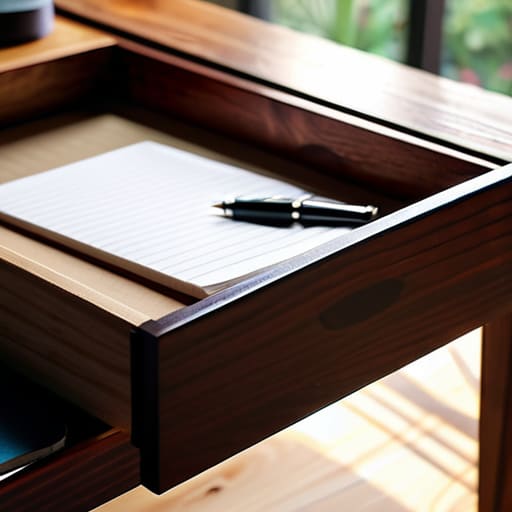
Look, I’m not going to tell you to move into a silent monastery or delete every social media app on your phone. That’s not sustainable, and frankly, it’s a recipe for burnout. Instead, think about minimizing study distractions through small, friction-based changes. If your phone is sitting face-up on your desk, you’ve already lost the battle. You don’t need a complete digital detox; you just need to put that device in a drawer or, better yet, another room entirely. It sounds simple, but reducing that constant visual cue helps lower your cognitive load and learning friction significantly.
Another thing that helps me when my brain feels like it has too many tabs open is the pomodoro technique for students. I use it not because I’m a productivity fanatic, but because it gives me a “permission slip” to be distracted later. I work for twenty-five minutes, then I actually get up and move for five. It keeps the walls from closing in. You aren’t trying to build a fortress of solitude; you’re just trying to create a few manageable pockets of focus that don’t feel like a chore.
The Truth About Cognitive Load and Learning in Practice

We need to talk about why your brain feels like it’s running a marathon after just twenty minutes of reading. It’s not because you’re “lazy” or “unfocused”; it’s a literal biological limit called cognitive load and learning constraints. Think of your brain like a browser with too many tabs open. Every time you glance at a notification or try to multitask, you’re forcing your mental processor to switch gears, which drains your battery way faster than necessary.
Instead of trying to power through a four-hour marathon session—which is a recipe for burnout—I’ve found that working with your biology is much more effective. This is where things like the pomodoro technique for students actually become useful. It’s not about being a productivity robot; it’s about giving your brain scheduled “cool-down” periods so you don’t hit a wall. If you treat your focus like a finite resource rather than an infinite well, you’ll find you can actually improve mental stamina for exams without feeling like a total zombie by mid-afternoon.
The unglamorous, daily habits that actually keep you on task
- Stop trying to “marathon” your study sessions. I used to think sitting there for four hours straight was a badge of honor, but it’s actually just a recipe for staring blankly at a page. Try the 25/5 rule—work for twenty-five minutes, then actually get up and move for five. It keeps your brain from hitting that wall of total exhaustion.
- Curate your environment, but keep it realistic. You don’t need a $500 ergonomic setup or a silent monastery. Just find one “anchor” for your brain—maybe it’s a specific lo-fi playlist or a particular corner of the library—so when you sit there, your brain knows, “Okay, we’re doing this now.”
- Close the 47 tabs you have open. I know, it feels like you might need that one specific Wikipedia page from three days ago, but digital clutter is just mental noise. If you’re afraid of losing something, bookmark it and move on. Your focus needs breathing room.
- Write down your “brain dumps” before you start. If you’re sitting down to study but keep thinking about that email you forgot to send or the groceries you need, grab my trusty physical planner and jot it down. Once it’s on paper, your brain can stop looping it, and you can actually get back to the task at hand.
- Embrace the “low-stakes” start. Some days, the hardest part is just opening the book. Tell yourself you’ll only do ten minutes of work. Usually, once the friction of starting is gone, you’ll find your rhythm. If you still can’t focus after ten minutes? Fine, take a real break and try again later. Don’t punish yourself for being human.
Getting Real About the Finish Line
At the end of the day, focusing isn’t about finding some mystical state of zen or buying a thousand-dollar ergonomic setup. It’s really just about the unglamorous stuff we’ve talked about: managing your mental energy, respecting your brain’s limits, and ruthlessly protecting your space from the constant ping of notifications. You don’t need a complete lifestyle overhaul to see results; you just need to stop fighting against your own biology and start building small, repeatable systems that work for your specific life. If you can master the art of minimizing the friction between you and your work, you’re already ahead of most people.
Please, give yourself some grace here. Some days you’re going to feel like a productivity machine, and other days you’ll spend forty minutes staring at a single paragraph because your brain is just fried. That’s not a failure; it’s just being human. Don’t let the “hustle culture” influencers make you feel like every waking second needs to be optimized for maximum output. Focus on consistent, imperfect progress rather than chasing some impossible standard of perfection. Just pick one small thing we discussed today, try it out, and see if it makes your life even a little bit easier. That’s where the real growth happens.
Frequently Asked Questions
What do I do when I've already tried the "phone in another room" trick and I'm still staring blankly at my laptop?
Look, I’ve been there—staring at a blinking cursor until my eyes glaze over, even with my phone locked in a kitchen drawer. When the “quick fixes” fail, it’s usually because your brain is actually redlining. Stop trying to force the focus. Instead, try a “micro-win”: commit to just five minutes of the easiest, dumbest task on your list. Usually, the friction isn’t the distraction; it’s the sheer intimidation of starting.
How do I balance staying focused with the need to actually take breaks without falling into a two-hour YouTube rabbit hole?
The trick is to stop treating breaks like an “all or nothing” reward. If you tell yourself you can scroll social media, you’ve already lost. Instead, schedule “active” breaks: grab a glass of water, stretch, or check on my latest batch of habanero mash. If you must use your phone, set a physical timer—not just on the app, but one you can see across the room. It makes the transition back to work much less painful.
Is it actually worth trying to schedule specific "focus blocks," or is that just more unnecessary planning that eats up my time?
Honestly? It’s only worth it if you stop treating your calendar like a work of art. If you spend forty minutes color-coding a “focus block” only to spend the actual hour scrolling through TikTok, you’ve just fallen into the productivity trap. But if you use them as rough, non-negotiable guardrails—say, 90 minutes where the phone stays in the other room—they work. Don’t overplan; just carve out the space and actually show up.