








I am so tired of seeing those “aesthetic” cooking videos where people act like you need a $200 specialized machine or a degree in culinary arts just to get a decent bowl of grains. Honestly, if I see one more influencer claim that you need some obscure, artisanal water source to figure out how to cook rice perfectly, I might actually lose it. Most of that advice is just noise designed to sell you a lifestyle you don’t need. In my experience, the difference between a mushy, sad mess and fluffy, restaurant-quality rice isn’t a fancy gadget; it’s just about understanding a few basic, repeatable physics principles that most people completely overcomplicate.
I’m not here to give you a lecture or a list of expensive kitchen tools you’ll end up hiding in the back of your pantry. Instead, I want to share the no-nonsense method I’ve refined through years of trial, error, and far too many burnt pots in my tiny apartment. I’m going to show you the exact, small adjustments that actually matter so you can stop stressing about your dinner and start enjoying it. This is about real-world results, not perfection for the sake of a curated feed.
Table of Contents
Why Rinsing White Rice Is the Non Negotiable First Step
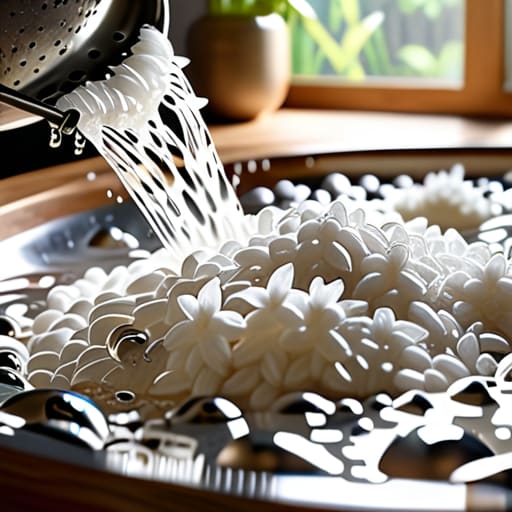
Look, I know when you’re staring at a long to-do list or a mountain of spreadsheets, the last thing you want to do is add an extra step to your dinner prep. But if you want to avoid that dreaded, gummy texture, rinsing white rice is the one non-negotiable habit you cannot skip. Most of us grew up thinking you just dump it in the pot and hope for the best, but that’s exactly how you end up with a bowl of starch-heavy paste.
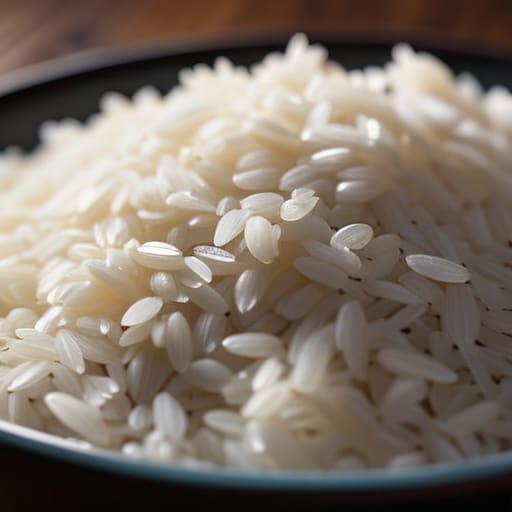
The science is actually pretty simple: there’s a layer of excess surface starch on every single grain. If you don’t wash that away, it turns into a kind of glue during the cooking process. By rinsing until the water runs clear, you’re essentially setting yourself up for success. It’s the most effective way of avoiding mushy rice without having to obsess over temperature or expensive gadgets. It’s a thirty-second task that makes the difference between a mediocre meal and something that actually feels worth the effort. Think of it as the fundamental prep work that makes everything else easier later on.
Mastering the Rice to Water Ratio for Real Results
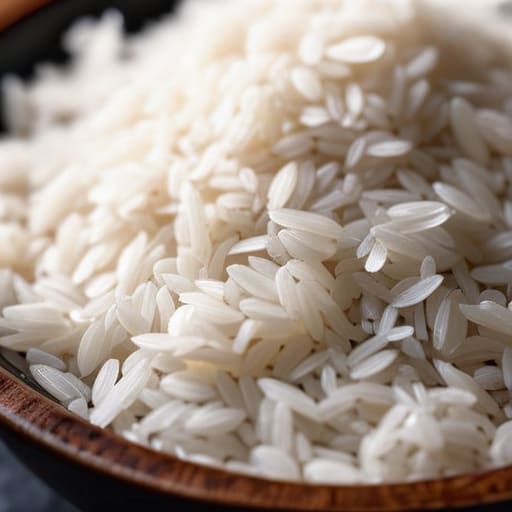
Once you’ve finished rinsing, it’s time to face the part that makes most people panic: the measurements. I used to rely on those “add two inches of water” rules, but honestly, that’s a recipe for a gummy mess. To get it right every time, you need to treat the rice to water ratio like a standard operating procedure. If you’re cooking jasmine rice, I swear by a 1:1.5 ratio. It’s the sweet spot that ensures every grain is distinct and fluffy rather than a singular, sticky clump.
If you’re feeling adventurous and opting for whole grains, just remember that brown rice cooking time is a completely different beast. It requires more liquid and significantly more patience. My rule of thumb? Don’t rush the heat. Once the water hits a boil, turn it down to the lowest setting and let it do the heavy lifting. The real secret to avoiding mushy rice isn’t a fancy pressure cooker; it’s actually letting the pot sit, covered, off the heat for ten minutes after the timer goes off. That final rest is where the magic happens.
Five small habits for better rice (and less wasted effort)
- Stop hovering. Once you lid that pot and turn down the heat, walk away. I used to think checking every five minutes would help, but all it does is let the steam escape and mess up the texture. Trust the process and go do something else.
- Give it a rest. This is the one most people skip because they’re hungry, but letting the rice sit, covered and off the heat, for ten minutes is what actually finishes the job. It lets the moisture redistribute so you don’t end up with a mushy bottom and dry tops.
- Use a heavy-bottomed pot if you have one. I’m all about functional tools, and a heavy pot distributes heat much more evenly. It’s a small investment that prevents those annoying scorched patches that ruin an entire batch.
- Fluff, don’t stir. When the rice is done, use a fork or a wide rice paddle to gently lift and separate the grains. If you stir it aggressively like you’re mixing batter, you’ll break the grains and end up with a gummy mess.
- Don’t forget the aromatics. If you want to level up without adding any real complexity, toss a smashed clove of garlic or a small piece of ginger into the water. It’s a tiny, repeatable habit that makes a basic side dish feel like a real meal.
Don't Overthink It
At the end of the day, cooking perfect rice isn’t about owning a high-tech induction cooker or following a complicated culinary blueprint. It really just boils down to two things: taking that extra minute to rinse away the excess starch and actually paying attention to your water ratios. Once you nail those two basics, you stop fighting against your ingredients and start working with them. It’s a small, repeatable process that removes the guesswork and the inevitable “mushy rice” frustration that usually ends up in my trash bin. Forget the complicated tutorials; just stick to the fundamentals and you’ll get it right every single time.
I know it sounds trivial, but I’ve realized that life is often just a collection of these tiny, manageable habits. Mastering your rice is a lot like managing your budget or your career—you don’t need a massive overhaul to see a difference; you just need to get the foundational steps right. Don’t let the fear of a ruined pot stop you from trying. Start with these simple tweaks, build your confidence, and soon enough, you’ll realize that consistency beats perfection every time. Now, go grab your pot and give it a shot.
Frequently Asked Questions
What should I do if I end up with a pot of mushy rice that's totally unusable?
Look, we’ve all been there. You open the lid and it’s just a gummy, sad mess. Don’t toss it—that’s literally throwing money in the trash. If it’s just slightly overdone, spread it out on a baking sheet to let the steam escape and dry it out. If it’s truly mushy? Lean into it. Make fried rice the next day or turn it into a savory rice porridge. It’s not a failure; it’s just a pivot.
Can I use the same method for brown rice, or am I going to need a different set of rules?
Hold your horses—brown rice definitely plays by a different set of rules. Since it still has that outer bran layer intact, it’s going to need more time and a bit more hydration to actually soften up. If you treat it like white rice, you’ll end up with something that’s essentially chewy gravel. Increase your water slightly and, most importantly, give it a much longer soak and simmer. It’s a test of patience, but worth it.
Do I actually need to wait for it to sit after the heat is off, or is that just one of those unnecessary kitchen myths?
It’s definitely not a myth. I know, it feels like just another “extra step” added to an already busy evening, but trust me on this one. Letting the rice sit, covered, for about ten minutes after the heat is off is the difference between a gummy mess and perfectly fluffy grains. It allows the moisture to redistribute evenly so the bottom isn’t mushy while the top is dry. It’s a small, repeatable habit that actually works.