








I was sitting in a coffee shop last Tuesday, staring at a “Data Limit Reached” notification that felt like a personal insult to my bank account. It’s that specific, sinking feeling when you realize you’ve been paying for a premium plan only to have your connection throttled right when you actually need it. Most “experts” will tell you to just buy a more expensive unlimited plan, which is honestly ridiculous advice. There’s no reason to throw more money at a provider when the real issue is usually just a handful of poorly optimized settings hiding in your pocket. Learning how to save mobile data shouldn’t require a degree in computer science or a massive budget increase; it just requires a little bit of intentionality.
I’m not going to bore you with complex technical jargon or suggest you download some sketchy, third-party “data booster” app that probably tracks your every move. Instead, I’m sharing the practical, repeatable tweaks I’ve used to keep my own usage in check while navigating a busy work schedule. We’re going to look at the actual culprits—like those hungry background apps and auto-play settings—and fix them once and for all. Let’s get into the real-world habits that actually keep your data usage down and your wallet a little heavier.
Table of Contents
How to Limit Background Data Usage for Good
If you’ve ever looked at your data usage mid-month and wondered where it all went, I’m willing to bet it was your apps “talking” behind your back. Most of us have dozens of apps running in the background, constantly refreshing feeds or checking for updates even when our phones are sitting untouched on a desk. To fix this, you need to go into your settings and manually stop apps from using data when you aren’t actively using them. It’s a bit of a chore to go through your list initially, but once you’ve flagged the heavy hitters—looking at you, Instagram and TikTok—you won’t have to do it again.
Another lifesaver is utilizing the built-in low data mode settings on your iPhone or Android. I used to think these were just for emergencies, but I’ve started keeping them toggled on whenever I’m away from my home Wi-Fi. It basically tells your phone to stop being so extra with high-res previews and automatic syncing. It’s one of those small, low-effort habits that makes a massive difference in how long your plan actually lasts.
Simple Low Data Mode Settings That Actually Work
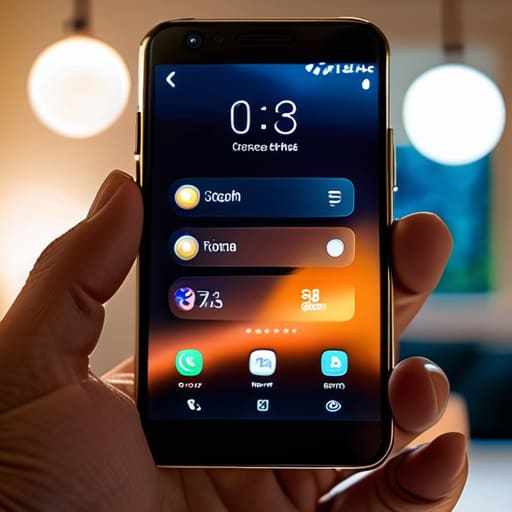
Most people think they need a complex strategy to stay under their cap, but honestly, your phone has some built-in tools that do the heavy lifting for you. If you’re on an iPhone, the “Low Data Mode” is a lifesaver; it essentially tells your device to stop doing all those non-essential background tasks like automatic updates or photo syncing. On Android, the equivalent is “Data Saver.” Turning this on is one of the quickest ways to reduce cellular data consumption without having to manually police every single app you own.
I used to get frustrated watching my meter climb every time I left my phone in my bag, but I realized it was mostly just my apps being “helpful” in the background. Once you toggle these low data mode settings, you’ll notice a massive difference in how much your data lingers. It’s not about cutting yourself off from the world; it’s about making your phone work for you instead of against your budget. It’s a small, set-it-and-forget-it habit that keeps your monthly bill from becoming a surprise at the end of the month.
Real-world habits to keep your data from vanishing
- Stop the auto-play madness. I used to scroll through social media and realize I’d burned through half my data just watching videos I didn’t even care about. Go into your app settings and turn off “Autoplay” for videos—it’s a tiny change that makes a massive difference by the end of the month.
- Use Wi-Fi for the heavy lifting. We all know this, but I’m talking about the big stuff: app updates and cloud backups. Set your phone so that things like Google Photos or iCloud only sync when you’re on a stable Wi-Fi connection. Don’t let a random system update eat your entire data cap while you’re commuting.
- Download your entertainment before you leave the house. If you’re a podcast person or a Spotify devotee like me, download your playlists and episodes while you’re still on your home Wi-Fi. It’s one less thing for your phone to “fetch” while you’re out and about on a cellular network.
- Audit your “always-on” apps. Some apps are data vampires, constantly pinging servers in the background to update your location or feed. Take ten minutes to look through your settings and see which ones don’t actually need cellular data to function. If it doesn’t need to know where you are every second, turn that permission off.
- Switch to “Lite” versions where possible. If you find yourself constantly checking Facebook or Messenger on the go, try the “Lite” versions of those apps. They’re designed to be stripped down and efficient, which is perfect for saving data and, honestly, saving your battery life too.
Bringing It All Home
At the end of the day, saving mobile data isn’t about living like you’re stuck in the dial-up era; it’s about taking back control from the apps that think they own your bandwidth. We’ve looked at how tightening your background data settings and leaning into those built-in low data modes can make a massive difference in your monthly bill. It’s not about one massive overhaul, but rather the small, intentional tweaks—like being mindful of auto-updates or checking which apps are secretly sucking your data dry while you sleep—that actually move the needle. When you stop the invisible leaks, you stop the unnecessary stress of watching your data cap approach like a looming deadline.
I know it can feel like just one more thing to manage in an already crowded mental load, but I promise that consistency beats intensity every single time. You don’t need a complex spreadsheet or a tech degree to master your data usage; you just need to implement these few realistic habits and let them run on autopilot. Once you get these settings dialed in, you’ll find you have more breathing room in your budget and less anxiety when you step away from your home Wi-Fi. Let’s focus on making our digital lives a little more efficient so we can spend our energy on things that actually matter.
Frequently Asked Questions
Will turning on data saver mode make my apps feel laggy or slow when I actually need them?
Honestly? Yes, you might notice a bit of a lag. Data saver mode basically tells your phone to stop being so “extra” in the background, which means things like auto-refreshing your feed or high-res image loading will take a beat longer. It’s not going to break your phone, but if you’re trying to stream a video or scroll through a heavy app, it might feel a little less snappy. It’s a trade-off: a bit of speed for a lot of savings.
Is it worth manually checking my data usage every week, or is there a way to just set an automatic alert?
Honestly, checking it manually every week feels like another chore on an already overflowing to-do list. I’m all for efficiency, and you shouldn’t have to play detective with your settings. Most carriers have an app or a simple text-alert system you can toggle on. Set a threshold—say, 80%—and let the phone do the nagging for you. It’s a small, “set it and forget it” habit that saves a massive headache later.
Do streaming services like Spotify or Netflix really eat that much data even if I'm just listening and not watching?
The short answer? Yes, they absolutely do. Even if you aren’t watching a movie, Netflix is still a massive data hog because it’s optimized for high-def video. Spotify is much lighter, but if you’re streaming high-fidelity audio, it adds up faster than you’d think. My rule of thumb: if you’re on a limited plan, download your playlists or shows over Wi-Fi first. It’s one of those tiny, repeatable habits that keeps your data from vanishing.