








If I see one more “aesthetic” video of someone waking up at 4:00 AM to journal by candlelight and drink expensive matcha, I might actually lose it. We’ve been sold this idea that a successful evening routine requires a thirty-step skincare regimen and a meditative retreat in a soundproof room, but let’s be real: most of us are just trying to decompress from a nine-to-five without scrolling through TikTok until our eyes burn. I spent years trying to force those “perfect” rituals into my life, only to end up feeling more exhausted by the sheer effort of trying to relax.
I’m not here to sell you on a lifestyle you can’t afford or a schedule that doesn’t account for a Tuesday night when you’re too tired to even boil water. Instead, I want to share the small, actually repeatable habits that help me transition from “Operations Manager mode” to “human being mode” without the fluff. We’re going to focus on a few pragmatic shifts that simplify your life and help you reclaim your sleep, focusing on what works in the real world rather than what looks good on a curated feed.
Table of Contents
Ditch the Scrolling for a Real Digital Detox Before Bed

Look, I get it. I used to spend my last thirty minutes of the day falling down a Wikipedia rabbit hole or scrolling through endless Reels, thinking I was “winding down.” In reality, I was just keeping my brain in a state of high alert. The blue light and the constant influx of information are the absolute enemies of improving sleep quality. It’s hard to drift off when your brain is still processing a heated political debate from X or a recipe you’ll never actually make.
Instead of trying to force yourself into a complex, hour-long meditation session, try a more practical digital detox before bed. My rule of thumb? Plug your phone in across the room—or better yet, in another room entirely—at least thirty minutes before you want to be unconscious. If you need noise, use a dedicated white noise machine or a smart speaker rather than a screen. Replacing the scroll with something tactile, like reading a physical book or even just jotting down a few notes in my pocket planner, helps signal to your nervous system that the workday is officially over.
Small Sleep Hygiene Tips for a More Predictable Night
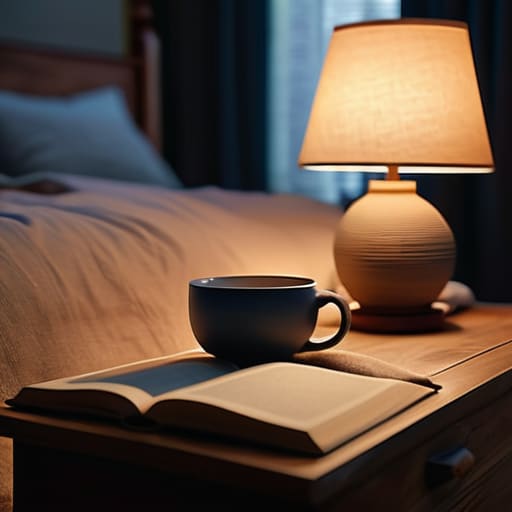
We’ve all seen those “aesthetic” sleep guides that involve a ten-step process involving expensive silk eye masks and lavender-infused everything. Honestly? Most of that is just extra work. For me, real improving sleep quality comes down to lowering the stakes. Instead of trying to force my brain into a state of zen, I focus on environmental cues that tell my body the workday is officially over. This might mean dimming the overhead lights an hour before bed or finally committing to a consistent temperature in my room. It’s not about being perfect; it’s about being predictable.
I’ve also found that some very basic sleep hygiene tips can do more for my energy levels than a double espresso ever could. I don’t need a complex meditation session; sometimes, just writing down my to-do list for tomorrow in my physical planner is enough to get the mental clutter out of my head. Once it’s on paper, I don’t have to carry it around in my brain all night. It’s a tiny, low-effort way to create a sense of closure for the day.
Five low-effort habits that actually make tomorrow suck less
- Set your “Morning Self” up for success by doing one tiny thing tonight. I’m talking about picking out your clothes or clearing the coffee maker. It’s not about being a productivity guru; it’s about making sure you don’t have to make a single decision before your first cup of caffeine.
- The “Brain Dump” method. If your mind starts racing about tomorrow’s to-do list the second your head hits the pillow, grab that physical planner I’m always carrying and scribble it all down. Once it’s on paper, your brain feels like it has permission to stop looping the information.
- Stop the “one more episode” trap. We’ve all been there, sitting in the blue light of the TV at 11 PM feeling like a zombie. Set a hard cutoff time for screens—not because it’s some holy ritual, but because your future, non-exhausted self will thank you.
- Prep your workspace (or your kitchen) for a quick win. If you work from home, just clearing your desk of random mail or empty mugs can make starting the next day feel significantly less heavy. A little bit of order goes a long way in preventing that morning overwhelm.
- Audit your evening “energy drains.” Notice what makes you feel sluggish or anxious in the evening—maybe it’s checking work emails or doomscrolling news—and make a plan to swap just one of those for something low-stakes, like reading a book or even just sitting in silence for five minutes.
The Reality Check
Look, I know how easy it is to feel like you’ve failed if you don’t follow a twenty-step evening ritual involving expensive candles and perfectly matched silk pajamas. But that’s not what we’re doing here. We’ve talked about swapping the mindless scrolling for a genuine digital detox and implementing a few low-effort sleep hygiene tweaks that don’t require a PhD in wellness. The goal isn’t perfection; it’s about creating a predictable buffer between the chaos of your workday and the moment your head hits the pillow. If you can just manage to put the phone in another room and dim the lights a little earlier, you’ve already won the night.
At the end of the day, your evening routine shouldn’t feel like another item on an overwhelming to-do list. It should be the one part of your day that actually belongs to you, not your boss, your inbox, or your social media feed. Stop chasing the “aesthetic” version of productivity and start focusing on the small, repeatable habits that actually make you feel rested. You don’t need a life overhaul to see a difference; you just need to give yourself permission to wind down on your own terms. Take it one night at a time, and let the rest of the noise fade out.
Frequently Asked Questions
How do I actually stick to a routine when I'm feeling completely burnt out after a long shift?
Look, when you’re running on empty after a brutal shift, the last thing you need is a ten-step “self-care” checklist. That’s just more work. Instead, aim for the “bare minimum” version of your routine. If your plan is to meditate and meal prep, but you’re exhausted, just aim to dim the lights and drink a glass of water. On burnout days, success isn’t about perfection; it’s just about doing one tiny thing that makes tomorrow 1% easier.
Is it worth investing in expensive sleep tech, or should I just stick to the basic habits?
Look, I get the temptation. When you’re staring at a ceiling at 2 AM, a $300 smart ring sounds like a lifesaver. But honestly? Save your money. Most of that tech just gives you more data to stress about. I’ve found that a consistent wind-down routine and a decent blackout curtain do way more for my actual sleep than any gadget ever could. Invest in a better pillow or a good book instead.
What do I do if my evening routine keeps getting pushed back by unexpected work emails or family stuff?
Look, I’ve been there. It’s 9:00 PM, you’re finally sitting down, and then ping—a work email that feels urgent or a family crisis that demands your attention. Don’t try to force the full routine; you’ll just end up feeling like you failed. Instead, use a “micro-routine.” Pick just one non-negotiable, like skin care or five minutes of reading. If you can’t do the whole ritual, just do the one thing that helps you reset.