







I spent twenty minutes yesterday scrolling through “Deep Work” playlists on Spotify, looking for that magical, life-changing frequency that would suddenly make my quarterly budget spreadsheets feel effortless. It was a total waste of time. We’ve been sold this idea that there is a specific, scientifically-perfect way of knowing how to focus with music, as if finding the right BPM is a magic bullet for a distracted brain. Honestly, most of those “Alpha Wave” tracks sound like a broken refrigerator, and the high-production lo-fi beats often end up being just as distracting as the neighbor’s leaf blower.
I’m not here to sell you on some expensive neuro-acoustic software or a complicated ritual involving incense and noise-canceling headphones. Instead, I want to share the uncomplicated, messy reality of what actually works when I’m staring down a mountain of operations reports. I’ve tested the genres, the volumes, and the silence, and I’ve narrowed it down to a few small, repeatable habits that help me drown out the mental chatter. Let’s skip the hype and talk about how to actually use sound to get your work done.
Table of Contents
Why Lofi Hip Hop for Studying Isnt Just a Curated Aesthetic

We’ve all seen the aesthetic: a grainy, looping animation of a girl studying in a cozy room, accompanied by that signature chill beat. It’s become a massive internet trope, but there’s actually a functional reason why lofi hip hop for studying has become the unofficial soundtrack to our workdays. It isn’t just about looking “vibey” on a YouTube livestream; it’s about the science of minimizing distractions. Unlike a pop song that makes you want to sing along, these tracks provide a consistent, predictable rhythm that sits comfortably in the background.
The real magic lies in how these beats manage the impact of lyrics on concentration. When I’m trying to draft a complex operations report, my brain struggles to process two streams of language at once—the words I’m reading and the words I’m hearing. Lofi strips that linguistic layer away, giving you a steady sonic cushion. It acts as a form of ambient noise for deep work, masking the sudden, jarring sounds of my neighbors or the hum of the refrigerator without demanding any of my actual mental bandwidth.
The Truth About the Impact of Lyrics on Concentration
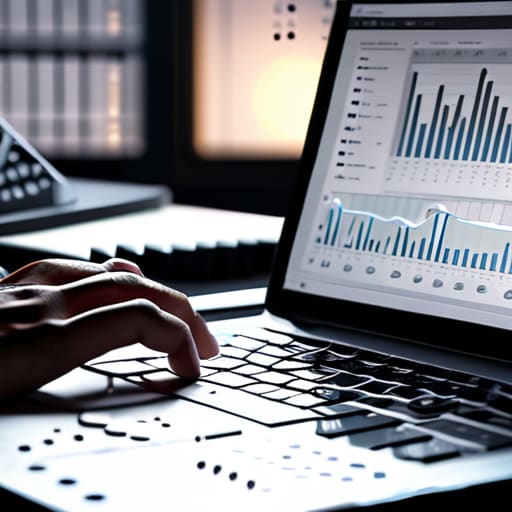
Here’s the thing: if you’re trying to draft a complex report or tackle a spreadsheet, singing along to your favorite pop anthem is a recipe for disaster. I used to think I could multitask, but I quickly learned that my brain can’t actually process the words I’m reading and the words I’m hearing at the same time. This is the real impact of lyrics on concentration—it creates a sort of “cognitive interference” where your brain gets stuck in a loop trying to decode both streams of information.
When I really need to sink into a task, I steer clear of anything with a vocal track. Instead, I lean into ambient noise for deep work or something purely instrumental. If a song has a catchy hook, I know I’m going to end up humming it for the next twenty minutes rather than actually hitting my deadlines. It’s not about being a music snob; it’s just about realizing that lyrics are essentially a distraction disguised as entertainment when you’re in the zone.
My realistic toolkit for building a focus-friendly soundtrack
- Stop hunting for the “perfect” playlist. I used to spend twenty minutes scrolling through Spotify trying to find the ultimate deep-work mix, only to realize I’d wasted more time than the music would actually save me. Pick something decent, hit play, and get to work.
- Stick to the “one-genre rule” for heavy lifting. When I’m deep in an operations report, I don’t switch from jazz to techno to classical. I pick one vibe—usually something instrumental and steady—and let it run. Constant genre-switching is just another way to procrastinate.
- Use familiar music as your “background noise” buffer. If you’re in a loud coffee shop or a noisy apartment, don’t try to listen to a brand-new album. You’ll end up focusing on the new melodies instead of your tasks. Go with something you’ve heard a hundred times; it becomes part of the furniture.
- Test your volume against your brain. There’s a sweet spot between “too quiet to drown out the neighbor’s leaf blower” and “so loud I’m getting a headache.” If you find yourself nodding your head or tapping your pen to the beat, it’s probably too loud for actual concentration.
- Create a “work-only” audio trigger. I’ve started using a specific, low-key ambient soundscape only when I’m doing my most intense tasks. Eventually, my brain hears those specific sounds and realizes, “Okay, it’s time to actually be productive now,” making the mental transition so much easier.
Finding Your Own Rhythm
At the end of the day, there’s no secret, universal playlist that will magically fix a bad work habit. We’ve looked at why that lofi beat actually helps drown out the office chatter and why those catchy lyrics in your favorite pop song are likely just distracting your brain from the task at hand. Whether you need steady instrumental beats to keep you in the zone or total silence to tackle a deep-work project, the goal isn’t to follow a trend—it’s to identify what actually helps you stay on track. It’s about testing what works for your specific brain and being willing to swap the upbeat tempo for something more mellow when the focus starts to slip.
Don’t get caught up in the pressure of finding the “perfect” productivity setup you see on social media. Real life is much messier than a curated aesthetic, and your focus will fluctuate regardless of what’s playing in your earbuds. Just start with one small change: next time you feel that mid-afternoon slump hitting, try a lyric-free track instead of your usual high-energy shuffle. Focus on the small, repeatable adjustments rather than seeking a total lifestyle overhaul. You don’t need a flawless system to be productive; you just need a few reliable tools that actually work in your real, busy world.
Frequently Asked Questions
Is there a specific volume level that actually helps with focus, or am I just making noise?
Honestly, if you’re cranking it to a level where you’re actively nodding your head to the beat, you’ve probably gone too far. For me, the sweet spot is “background noise” territory—loud enough to mask the neighbor’s leaf blower or a loud coworker, but quiet enough that you don’t have to “listen” to it. Think of it as a sonic cushion, not a concert. If you’re noticing the music, it’s probably a distraction.
What should I do if I start getting too distracted by the music itself instead of my work?
If you find yourself analyzing the bassline instead of finishing that spreadsheet, it’s time to pivot. I call this “musical fatigue.” When the tracks start feeling too engaging, ditch the playlists and switch to brown noise or even just a steady fan. It sounds boring, I know, but it provides that necessary sensory “blanket” without giving your brain a new melody to chase. If that fails, silence is your best friend.
Does the type of music I listen to change depending on whether I'm doing deep analytical work or just clearing out my inbox?
Absolutely. Think of it like choosing your work attire. When I’m deep in a spreadsheet or tackling a complex project, I need “sonic wallpaper”—instrumental stuff like ambient or classical that stays in the background. But when I’m just clearing out a mountain of emails or doing mindless admin, I can handle something with a bit more energy. A fast-paced playlist actually helps me power through the boring stuff without losing steam.