








I am so tired of seeing those “pro-level” setup guides that suggest you need a $200 ring light, a dedicated studio microphone, and a background that looks like a high-end hotel lobby just to survive a Tuesday morning sync. Honestly, if I see one more influencer telling me I need a professional-grade lighting kit to learn how to look better on video calls, I might actually lose it. Most of us are just trying to manage operations from a slightly cluttered home office without looking like we’ve been living in a cave, and the constant pressure to perform perfection on screen is exhausting and, frankly, unnecessary.
I’m not here to sell you a lifestyle or a shopping list of gadgets you don’t need. Instead, I want to share the small, low-effort tweaks that actually work when you’re working with what you already have. We’re going to focus on practical, repeatable habits—like where you position your laptop or how you use a simple desk lamp—to help you show up looking polished and professional. No magic bullets, no expensive gear; just real-world solutions for real people.
Table of Contents
Small Tweaks for a Professional Webcam Lighting Setup

Look, I get it. You don’t need a professional webcam lighting setup that looks like a high-budget film set, and you definitely don’t need to spend a fortune on gear you’ll only use for Zoom calls. Most of the time, the best light is free. My go-to move? Find a window. If you face a window during your morning meetings, the natural light does all the heavy lifting for you. Just avoid sitting with your back to it, unless you’re aiming for that mysterious, shadowy “witness protection” look.
If the sun isn’t cooperating—which, let’s be real, happens during those late afternoon syncs—don’t panic. Grab a desk lamp and place it slightly behind your laptop, angled toward your face. It’s a simple way to avoid looking like a ghost in a dark cave. I’ve found that even a basic lamp can significantly help with reducing video call fatigue because your eyes aren’t straining to make sense of a grainy, low-contrast image. It’s about being visible and clear, not being a lighting technician.
Finding the Best Camera Angles for Video Meetings
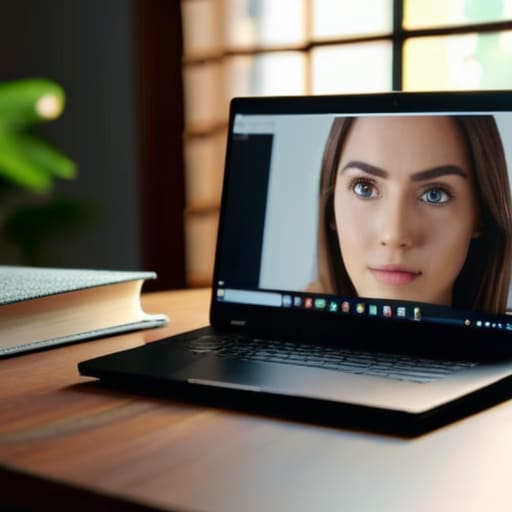
Once you’ve nailed your professional webcam lighting setup, the next thing to tackle is where your eyes are actually looking. Most of us default to the “laptop on the desk” position, which is essentially a way to ensure everyone you meet is staring up your nose. It’s uncomfortable for them and, frankly, makes you look like you’re constantly looking down at your shoes. To find the best camera angles for video meetings, you need to get that lens at eye level. If you’re on a laptop, grab a stack of thick textbooks or a dedicated laptop stand. Even a two-inch lift can make a massive difference in how much authority you project.
While you’re adjusting the height, pay attention to the tilt. You want the camera slightly above your eye line, tilted just a fraction downward. This prevents that awkward “chin-heavy” look and helps you maintain better eye contact with your colleagues. It’s a small, repeatable tweak, but it’s one of those subtle things that helps in reducing video call fatigue for everyone involved. When people don’t have to strain to see your face, the whole conversation just feels more natural.
Beyond the hardware: 5 ways to actually look presentable without a studio setup
- Stop looking down at your laptop. If you’re working from a couch or a low desk, prop your computer up on a stack of thick textbooks or a sturdy box. Getting the lens at eye level prevents that “looking down into a pit” angle and makes you look much more engaged.
- Watch your background for visual clutter. You don’t need a curated bookshelf, but a pile of laundry or a messy bed in the frame is a huge distraction. If your space is a disaster, just use a simple, blurred background—it’s a lifesaver for keeping the focus on you, not your chores.
- Mind your audio, even if you aren’t a tech geek. We focus so much on how we look, but if you sound like you’re underwater, nobody cares about your lighting. If you can, use a decent pair of wired earbuds instead of your laptop’s built-in mic; it cuts out the hum of the fridge and the neighbor’s lawnmower.
- Dress for the vibe, not just the camera. You don’t need a blazer, but avoid wearing anything too busy or highly patterned—it can create a weird “shimmering” effect on screen that’s hard on the eyes. A solid, neutral color is your best friend here.
- Check your “digital hygiene” before the call starts. It sounds extra, but take ten seconds to wipe your webcam lens with a microfiber cloth or even a clean t-shirt. Most of us are walking around with a layer of dust or fingerprints on our lenses, which makes everything look hazy and unprofessional.
The bottom line
At the end of the day, looking better on video calls isn’t about buying a thousand-dollar camera or building a professional studio in your guest bedroom. It really just boils down to a few intentional, low-effort adjustments: positioning yourself near a window for natural light, elevating your laptop so you aren’t staring down your own chin, and making sure your background isn’t a chaotic mess of laundry or unwashed dishes. These are small, repeatable tweaks that take less than five minutes to set up, but they make a massive difference in how you are perceived during those high-stakes meetings. You don’t need a complete lifestyle overhaul; you just need to optimize your immediate environment so you can show up as your best self.
I know how draining the constant cycle of digital meetings can feel, especially when you’re trying to maintain a sense of professional authority from your kitchen table. But remember, your goal isn’t perfection—it’s clarity. When you take control of your visual presence, you’re actually reducing the cognitive load for everyone else on the call, allowing the focus to shift from “why is their lighting so weird?” to the actual substance of what you’re saying. Don’t let the tech overwhelm you. Just pick one thing to change tomorrow, and start building that momentum one call at a time. You’ve got this.
Frequently Asked Questions
Do I actually need to buy a dedicated webcam, or can I just use my phone?
Honestly? Save your money. Unless you’re presenting to a board of directors every single day, a dedicated webcam is rarely worth the splurge. Your smartphone camera is almost certainly better than any mid-range webcam you’ll find on Amazon anyway. Just grab a cheap tripod or a phone mount, lean it against some books, and use an app like Camo to bridge the gap. It’s a much smarter way to level up without the unnecessary expense.
How do I stop my background from looking so messy without spending a fortune on home decor?
Look, I get it. Most of us aren’t working from a minimalist studio; we’re working from a corner of a living room that’s seen better days. Before you go buying expensive room dividers, try the “one-meter rule.” Just clear a small radius around your chair. A single plant or a neat stack of books on a side table does more for your professional vibe than a complete room makeover ever could.
Is there a way to fix the "laggy" look so I don't seem like I'm frozen mid-sentence?
The “frozen mid-sentence” look is the absolute worst—it makes you look like you’ve completely lost the thread. Usually, it’s just your bandwidth struggling to keep up. First, try the “plug it in” rule: if you’re on Wi-Fi, try an ethernet cable. If that’s too much work, just close those twenty extra browser tabs and turn off your video for a second to let your connection catch its breath. It’s a small fix that saves a lot of awkwardness.