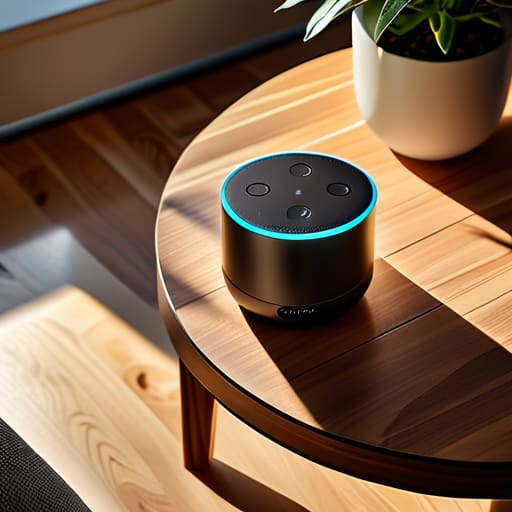









I recently spent forty-five minutes staring at a smart lightbulb box, wondering why I felt like I needed a degree in electrical engineering just to dim the lights for a movie night. We’ve all been there—scrolling through endless reviews and feeling pressured to turn our living rooms into some high-tech command center that we didn’t actually ask for. The truth is, most of the “must-have” gadgets being pushed on your feed are just expensive ways to add more clutter to your life. When it comes to learning how to choose tech for your home, we need to stop chasing the specs and start asking if the device actually solves a problem or if it’s just another thing that requires a monthly subscription and a software update.
I’m not here to sell you on the latest shiny gimmick or tell you that you need a fully automated kitchen to be “optimized.” My goal is to strip away the marketing fluff and give you a realistic framework for making smart, functional purchases. I’ll share the small, practical filters I use to decide what’s worth the money and what’s just digital noise. Let’s focus on building a space that works for you, not a space that requires a manual to operate.
Table of Contents
Smart Home Ecosystem Compatibility Over Shiny New Features
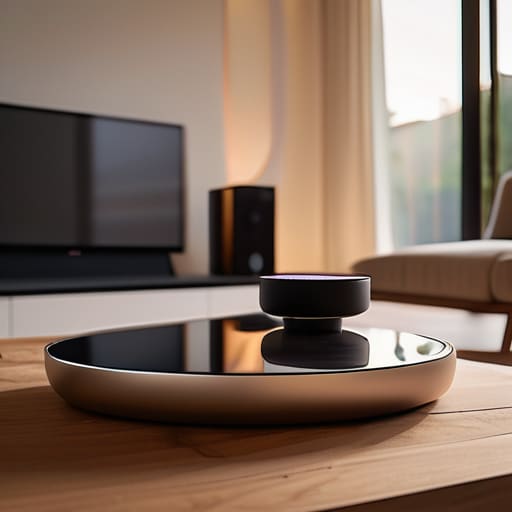
Look, I get it. You see a smart toaster or a light strip that changes colors to your heartbeat on TikTok, and suddenly your current setup feels prehistoric. But before you hit “add to cart,” I need you to pause. The biggest mistake I see people make is buying individual gadgets that don’t actually talk to each other. You end up with five different apps on your phone just to dim the lights and lock the door, which is the exact opposite of “simplifying” your life.
Instead of chasing every flashy new feature, focus on smart home ecosystem compatibility. Whether you’re a die-hard Apple person, a Google devotee, or you prefer the flexibility of Alexa, make sure every new piece of tech you bring home plays nice with your existing setup. Integrating smart devices shouldn’t feel like a second job or a complex engineering project. If it doesn’t sync seamlessly with the hub you already use, it’s probably just going to become another expensive paperweight gathering dust on your kitchen counter. Stick to a cohesive plan, and your future self will thank you.
Essential Smart Home Gadgets That Actually Solve Problems
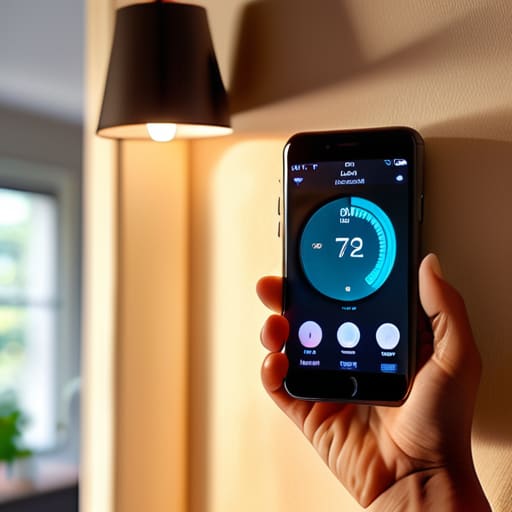
Look, I’m not interested in a house that feels like a sci-fi movie set; I just want a house that works for me. When I started integrating smart devices into my own apartment, I quickly realized that the best tech isn’t the most expensive stuff, but the stuff that removes friction from my day. For me, that started with a smart thermostat and a few well-placed smart plugs. It’s not glamorous, but being able to turn off my coffee maker or adjust the temperature from my phone while I’m stuck in a late meeting is a genuine win for my mental bandwidth.
If you’re looking for a place to start, focus on your “pain points.” Do you always forget to lock the front door? Get a smart deadbolt. Are you tired of coming home to a dark, empty house? A simple smart lighting setup is a game-changer. Just keep your home automation budget planning in mind—don’t try to automate your entire life in one weekend. Start with one or two essential smart home gadgets that solve a specific annoyance, and build from there. It’s about utility, not just collecting more things to charge.
5 Rules for Not Turning Your Living Room Into a Graveyard of Unused Gadgets
- Audit your actual pain points first. Before you browse, ask yourself: “Is my life actually harder because I have to manually adjust the thermostat, or am I just bored?” If it doesn’t solve a recurring annoyance, it’s just clutter with a battery.
- Prioritize “set it and forget it” tech. I don’t have the bandwidth to manage a device that requires a software update every time I want to turn on a light. If it demands constant attention, it’s not a tool; it’s a second job.
- Check the hidden costs of subscription models. A smart camera sounds great until you realize you have to pay $10 a month just to see the footage from yesterday. Always look at the long-term math, not just the sticker price.
- Stick to a single “brain” for your home. It’s tempting to buy the coolest gadget from every brand, but if your lights use one app, your vacuum uses another, and your locks use a third, you haven’t simplified anything—you’ve just added digital friction.
- Buy for the space you have, not the Pinterest board in your head. A high-end, voice-controlled espresso machine is useless if you don’t have the counter real estate or the five minutes of morning peace required to actually enjoy it.
Keeping It Real With Your Tech
At the end of the day, building a smart home isn’t about having a house that talks back to you or a kitchen full of gadgets that look cool in a TikTok video. It’s about making sure your devices actually play nice together so you aren’t spending your Sunday afternoon troubleshooting a lightbulb that won’t connect to your hub. Stick to the basics: prioritize ecosystem compatibility, focus on tools that solve your actual daily headaches, and for the love of everything, don’t buy something just because it has a fancy app. If it doesn’t make your life simpler and more efficient, it’s just more digital clutter taking up space in your brain and your budget.
I know it’s tempting to want the “house of the future” right now, but remember that your home is meant to serve you, not the other way around. Start small, build slowly, and give yourself permission to skip the trends that don’t fit your lifestyle. You don’t need a fully automated existence to be “smart”; you just need a few reliable tools that help you reclaim a little bit of your time and peace of mind. Focus on the small, functional wins, and I promise you’ll build a space that feels truly helpful rather than just high-tech.
Frequently Asked Questions
How much am I actually going to spend on monthly subscriptions just to keep these devices running?
This is where the “hidden” costs of a smart home really bite. Honestly, it depends on how much you want to outsource to the cloud. If you’re buying basic smart bulbs or plugs, you’ll likely pay zero. But once you add security cameras or high-end smart locks, expect to shell out $10–$30 a month for storage and advanced features. My rule of thumb? Always check the “subscription required” fine print before you hit buy.
Is it worth investing in a high-end hub now, or should I just start with a few cheap plugs and see what sticks?
Honestly? Start small. Don’t drop a couple hundred bucks on a high-end hub before you even know if you’ll actually use a smart lightbulb or if you’ll just end up staring at it. Grab a few reliable plugs or a basic starter kit first. Think of it like my hot sauce hobby—you don’t buy the industrial-sized fermenting crock before you’ve even mastered a single jar of habanero mash. See what sticks first.
How do I make sure my new smart tech doesn't turn my home into a privacy nightmare?
Look, I get it. The idea of a “smart home” can feel a lot like “someone is listening to me in my kitchen.” To keep your privacy from becoming a casualty of convenience, start with the basics: if a device doesn’t need to be connected to the internet to function, don’t give it Wi-Fi access. Also, check your privacy settings immediately—most companies default to “share everything” mode. It’s a bit tedious, but it’s worth the extra five minutes.